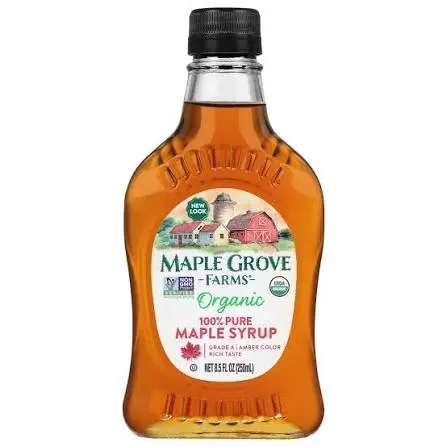
Choosing a natural sweetener can be confusing when grocery shelves offer everything from flavored pancake syrups to traditional maple products. Although these options may look similar, their ingredients, production methods, and flavor profiles can differ significantly. Understanding what makes organic maple syrup different helps shoppers make informed decisions about quality, taste, and everyday use.
Pure maple syrup is made from the sap of maple trees, which is collected and carefully concentrated through evaporation. Organic certification adds another consideration by requiring producers to follow approved standards for forest management, collection, processing, and handling. Whether you use it for breakfast, baking, or cooking, knowing how to evaluate maple syrup can help you choose a product that suits your preferences.
What Makes Organic Maple Syrup Different?
Maple syrup begins as a naturally occurring liquid inside maple trees. During the late winter and early spring, producers collect sap through a controlled tapping process. The sap is then heated to remove water until it reaches the proper sugar concentration and develops the familiar flavor of maple syrup.
Organic production follows additional requirements. Certified producers must comply with applicable organic standards governing how maple resources are managed and how the product is processed. Certification also involves recordkeeping and inspections to verify that required practices are followed.
It is important to understand that organic does not automatically mean sugar-free, low-calorie, or suitable for unlimited consumption. Pure maple syrup is still a concentrated sweetener, primarily containing natural sugars. Its organic status describes production standards rather than a special nutritional category.
Potential Benefits of Pure Maple Syrup
Pure maple syrup offers several characteristics that make it a popular alternative to highly processed table syrups.
- A simple ingredient profile: Pure maple syrup generally contains one ingredient: maple syrup. This makes it easier for shoppers to identify what they are purchasing.
- Distinct natural flavor: Its combination of sweetness and characteristic maple notes can add depth to both sweet and savory recipes.
- Naturally occurring minerals: Maple syrup contains small amounts of minerals, including manganese and riboflavin, although typical serving sizes should not be considered a major source of essential nutrients.
- Versatile cooking uses: It can sweeten breakfast foods, baked goods, sauces, marinades, and beverages.
These qualities make pure maple syrup a useful pantry ingredient. However, portion size still matters because it contributes added sugars to meals.
Understanding Maple Syrup Grades and Color
Maple syrup grades help shoppers understand differences in color, flavor, and intended use. In the United States, the standard grading system includes several color classifications under the Grade A designation.
Golden Color and Delicate Taste
Golden syrup has a lighter appearance and a delicate maple flavor. It works well when a subtle sweetness is preferred, such as when topping pancakes, waffles, or fresh fruit.
Amber Color and Rich Taste
Amber syrup offers a more pronounced maple flavor while remaining balanced. It is a versatile choice for everyday use, including oatmeal, yogurt, baking, and breakfast dishes.
Dark Color and Robust Taste
Dark syrup has a deeper color and stronger flavor. It is particularly useful in recipes where maple character needs to remain noticeable after cooking.
Very Dark Color and Strong Taste
Very dark syrup has an especially bold maple profile. It is often selected for cooking, sauces, glazes, and recipes that benefit from an intense maple taste.
Color does not determine whether syrup is organic, and darker syrup is not necessarily more nutritious. Grade selection is mainly about matching flavor intensity to the food being prepared.
How to Choose the Best Organic Maple Syrup
A thoughtful purchasing process helps shoppers avoid misleading labels and select a product that meets their needs.
Step 1: Check the Ingredient List
Start by reading the ingredient panel. If you want pure maple syrup, the ingredient list should identify maple syrup rather than corn syrup, cane sugar, artificial maple flavor, or a blend of sweeteners.
Products labeled pancake syrup may contain little or no actual maple syrup. Their appearance can be similar, but their ingredients and flavor are different.
Step 2: Verify Organic Certification
Look for a recognized organic certification statement and check whether the producer identifies the certifying organization. In the United States, USDA organic labeling requirements provide a framework for verifying certified products.
Do not assume that words such as natural, farm-style, or pure automatically indicate organic certification. These terms do not replace the applicable certification requirements.
Step 3: Choose a Grade Based on Intended Use
Think about how you plan to use the syrup. Amber is a practical all-purpose option, while golden works well when a lighter taste is preferred. Dark and very dark varieties are useful when a recipe needs a stronger maple presence.
For example, amber syrup can complement pancakes without overpowering them, while dark syrup may be a better choice for a barbecue glaze.
Step 4: Review Packaging and Quantity
Maple syrup is commonly sold in glass bottles, plastic containers, and larger foodservice packaging. Smaller containers are convenient for occasional use, while larger sizes may be practical for households that cook with maple syrup regularly.
Check that the container is sealed properly and has no signs of leakage or damage. Packaging should also provide clear information about the product and its producer.
Step 5: Consider Storage Requirements
Unopened maple syrup should be stored according to the manufacturer’s instructions, generally in a cool, dry place. After opening, refrigeration is recommended to help maintain quality and reduce the risk of spoilage.
Always use clean utensils when serving syrup. Avoid leaving an open container exposed to heat or contamination for extended periods.
Common Mistakes When Buying Maple Syrup
One of the most common mistakes is confusing pure maple syrup with pancake syrup. Attractive packaging and maple-inspired labels can make the products appear interchangeable, but their ingredients may be very different. Checking the ingredient list is the simplest way to distinguish them.
Another mistake is assuming that organic certification guarantees superior taste. Organic standards address production practices, while flavor depends on factors such as sap characteristics, processing, and the syrup’s grade. A certified product can be high quality, but personal preference still determines which flavor is most enjoyable.
Some shoppers also select syrup based only on color. Darker varieties have stronger flavor, but they are not automatically better for every recipe. Matching the grade to the intended use produces more satisfying results.
Finally, purchasing more syrup than necessary can lead to storage problems or waste. Consider household consumption before choosing a large container.
Practical Tips for Enjoying Organic Maple Syrup
Maple syrup is useful beyond traditional breakfast dishes. A small amount can add balanced sweetness to roasted vegetables, salad dressings, marinades, and homemade sauces.
For baking, it can replace some liquid sweeteners in selected recipes, but adjustments may be necessary because maple syrup contributes moisture. Follow a tested recipe rather than substituting it in equal amounts without considering the other ingredients.
It can also be stirred into plain yogurt, oatmeal, or smoothies. Measuring servings instead of pouring directly from the bottle makes it easier to manage overall sugar intake.
For storage, refrigerate opened syrup and follow the producer’s guidance. If you notice unusual changes in appearance, smell, or texture, avoid consuming it until you can determine whether the product remains suitable.
Conclusion
Organic maple syrup combines traditional maple production with certified organic standards, offering shoppers a product with a clear ingredient profile and distinctive natural flavor. Choosing the right option involves checking certification, reading ingredients, understanding color grades, and considering how the syrup will be used. With appropriate storage and sensible portions, pure maple syrup can be a versatile ingredient for breakfast, baking, and everyday cooking.