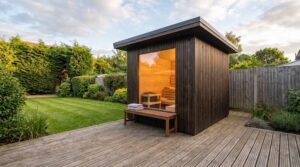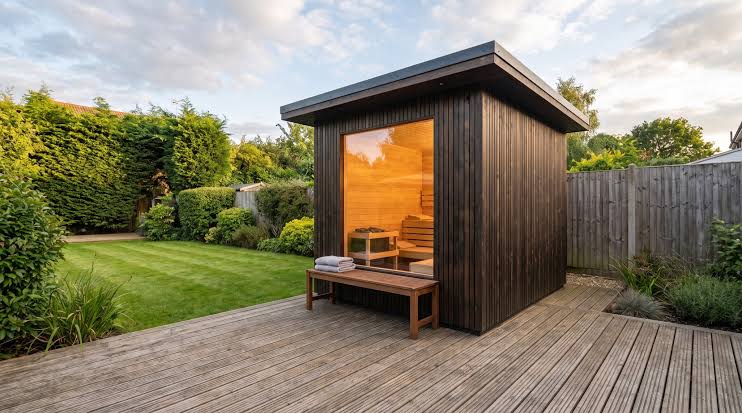
Installing a sauna in your garden is an excellent way to create a relaxing wellness space at home. However, before choosing a sauna model or preparing the installation area, it is important to consider how water will drain around the structure. Proper drainage helps maintain a clean, stable and comfortable outdoor environment while supporting the long-term condition of the sauna and its surrounding landscape.
In the UK, changing weather conditions, frequent rainfall and damp ground can make drainage an especially important part of garden sauna planning. Whether you are installing a traditional outdoor sauna or an infrared model, the ground beneath and around the structure needs to be prepared carefully. Poor water management can contribute to standing water, muddy pathways, moisture accumulation and deterioration of outdoor surfaces.
When researching Outdoor Saunas UK, homeowners should look beyond the sauna’s appearance, heating technology and seating capacity. The surrounding installation environment is equally important. From selecting suitable ground levels to planning drainage channels, several practical considerations can help ensure your garden sauna remains functional and attractive throughout the year.
Why Is Drainage Important When Installing a Garden Sauna?
Drainage plays an important role in protecting the area surrounding an outdoor sauna. Rainwater that collects around the base can make the ground unstable and create an uncomfortable environment when entering or leaving the sauna.
A well-prepared installation area allows rainwater to move away from the structure rather than accumulating underneath it. This is particularly important in gardens with clay-heavy soil, uneven surfaces or limited natural drainage.
Good drainage can also help protect supporting foundations, paving materials and nearby landscaping. When water is allowed to collect around timber structures, prolonged exposure to damp conditions may affect materials and contribute to maintenance requirements.
Homeowners considering Outdoor Infrared Sauna UK options should therefore assess the garden’s drainage conditions before deciding where the sauna will be positioned.
How Should You Assess Your Garden’s Natural Drainage?
Before preparing the installation site, examine how water behaves in different parts of your garden. Some areas may naturally drain rainfall, while others may remain wet for several hours or even days.
Start by observing the garden after heavy rainfall. Look for puddles, waterlogged patches and areas where rainwater flows towards existing buildings or garden structures. These observations can help identify locations that may require additional drainage preparation.
Soil composition is another important factor. Sandy and gravel-based soils generally allow water to pass through more easily, whereas clay soils tend to retain moisture. If your garden has heavy clay soil, additional drainage measures may be necessary.
The natural slope of the garden should also be considered. A slightly elevated and level installation area is often preferable to a low-lying section where rainwater naturally collects.
Taking time to understand these conditions can help homeowners avoid unnecessary installation adjustments later.
What Type of Foundation Supports Proper Water Drainage?
The foundation is one of the most important elements of an outdoor sauna installation. It provides structural support while helping create an appropriate separation between the sauna and the ground.
Different foundation options may be suitable depending on the sauna’s size, weight, design and the condition of the garden.
Concrete Bases
A properly prepared concrete base can provide a stable and durable foundation for an outdoor sauna. It is particularly useful where the ground needs additional reinforcement.
However, the surface should be designed to prevent rainwater from collecting around the sauna. Appropriate falls and surrounding drainage provisions help direct water away from the structure.
Gravel Foundations
A compacted gravel base can offer useful drainage characteristics because water can move through the material rather than remaining on the surface.
This option may be suitable for certain outdoor sauna installations, provided the base is properly prepared and provides sufficient support. The depth and construction should be appropriate for the sauna manufacturer’s requirements.
Paving Slabs
Paving slabs can create a practical and attractive installation surface. They also provide a clean area for accessing the sauna.
The slabs should be installed on a suitable sub-base with appropriate drainage falls. Gaps, joints and surrounding ground levels should be considered to prevent water from becoming trapped.
For larger or heavier installations, professional advice can help determine which foundation arrangement is most appropriate.
Why Should the Ground Slope Away From the Sauna?
The direction of surface water movement is an important consideration when preparing a garden sauna installation.
Ideally, rainwater should flow away from the sauna rather than towards its base. If the surrounding ground slopes towards the structure, water may collect around the foundation, increasing moisture exposure.
A gentle gradient can help guide surface water towards a suitable drainage area. The exact gradient will depend on the ground conditions, foundation design and relevant construction requirements.
Homeowners should also consider nearby buildings, fences and garden boundaries. Redirecting water should not create drainage problems elsewhere or allow runoff to enter neighbouring properties.
When planning Outdoor Sauna Infrared UK installations, positioning the structure on appropriately graded ground can help create a more practical and weather-conscious garden wellness space.
Should You Install Additional Drainage Channels?
Some gardens have naturally effective drainage, while others require additional systems to manage rainwater.
Drainage channels can be useful when surface water regularly collects around paved areas or near the sauna entrance. These channels collect runoff and direct it towards a suitable discharge point.
Linear channel drains are commonly installed alongside paved pathways, patios and outdoor seating areas. They can help prevent water from remaining on frequently used surfaces.
French drains may also be considered where groundwater or persistent surface water creates problems. These systems generally use a perforated pipe surrounded by suitable drainage aggregate to collect and redirect water.
However, the correct drainage solution depends on the site’s soil, Outdoor Sauna Infrared UK slope and water conditions. Any discharge arrangements should comply with applicable local requirements.
It is worth planning drainage channels before completing paving or landscaping because incorporating them later may involve additional excavation and disruption.
How Can You Prevent Water Accumulation Around the Sauna Entrance?
The entrance area deserves particular attention because it is frequently used when moving between the house and the sauna.
If rainwater collects outside the doorway, the surrounding surface may become muddy, slippery or inconvenient to use. A thoughtfully designed entrance can improve accessibility while keeping the garden wellness area tidy.
Consider installing a paved walkway that connects the sauna with the house or another convenient garden access point. The pathway should have a suitable surface and drainage arrangement to prevent standing water.
A small gravel border around the entrance may also help manage surface runoff, provided it is properly contained and does not interfere with the foundation.
Where possible, position the entrance away from areas that naturally receive water flowing from higher parts of the garden.
These small design decisions can make a noticeable difference to the everyday experience of using an outdoor sauna.
Does Roof Drainage Matter for Outdoor Saunas?
Yes. Roof drainage is another important consideration when planning a garden sauna.
Rainwater falling from the roof should be directed away from the foundation rather than allowed to collect directly beside the structure. Without appropriate water management, repeated rainfall can saturate the surrounding ground.
Gutters and downpipes may be useful depending on the sauna’s roof design and the amount of rainfall the installation area receives.
Downpipes should discharge water into a suitable drainage system or designated collection area. Avoid directing roof runoff towards the sauna’s foundation, neighbouring properties or garden pathways.
Rainwater harvesting may also be an option for homeowners who want to collect water for suitable garden uses. A properly positioned water butt can provide a practical way to manage some roof runoff.
The roof design, gutter capacity and maintenance requirements should be considered together to ensure effective water management.
What Should You Consider About UK Weather Conditions?
The UK climate makes outdoor drainage planning particularly relevant. Many regions experience regular rainfall, seasonal temperature changes and periods of prolonged dampness.
Garden conditions can also change throughout the year. Ground that drains reasonably well during summer may become saturated during wetter autumn and winter months.
When selecting a location for Outdoor Saunas UK, homeowners should consider the garden’s performance during different seasons rather than relying only on its appearance in dry weather.
For example, areas beneath large trees may receive additional water from dripping branches, while exposed locations may experience stronger wind-driven rainfall.
It is also useful to consider how fallen leaves and garden debris affect drainage channels. Blocked outlets can prevent water from flowing away efficiently.
Regular inspection and basic maintenance help keep drainage systems working effectively throughout the year.
How Can Landscaping Improve Garden Sauna Drainage?
Drainage and landscaping should be planned together to create a garden environment that looks attractive and functions properly.
Gravel borders, suitable planting areas and well-designed pathways can help manage surface water while complementing the appearance of an outdoor sauna.
Permeable paving is another option worth considering. Unlike conventional impermeable surfaces, suitable permeable materials allow some rainwater to pass through into the underlying layers.
Rain gardens can also help manage runoff in appropriate locations. These landscaped areas are designed to collect and absorb rainwater using suitable soil and plant selections.
However, plants should not be positioned too close to the sauna if their roots, watering requirements or mature size could interfere with the foundation or surrounding drainage arrangements.
A balanced landscaping plan can make the sauna feel like a natural part of the garden rather than a separate installation.
What Drainage Maintenance Should Homeowners Follow?
Even a well-designed drainage system requires occasional attention. Leaves, soil, moss and other garden debris can gradually restrict water movement.
Homeowners should inspect gutters and downpipes regularly, particularly after autumn and during periods of heavy rainfall.
Drainage channels should be checked for blockages, while gravel areas may need occasional cleaning or replenishment if soil and organic material accumulate.
It is also helpful to inspect the ground around the foundation after particularly wet weather. Look for standing water, unusual settlement or changes in the surrounding surface.
If water continues to collect despite basic maintenance, a drainage specialist may need to assess the site and recommend a more suitable solution.
Consistent maintenance helps preserve the installation area and supports a comfortable outdoor sauna experience.
Why Should You Plan Drainage Before Buying an Outdoor Sauna?
Drainage is most effective when considered during the initial planning stage rather than after the sauna has been installed.
The sauna’s dimensions, weight, access requirements and foundation specifications all influence the preparation work needed. Reviewing these factors early can help homeowners choose a suitable garden location and avoid unnecessary modifications.
It is also important to check the manufacturer’s installation instructions. Different sauna designs may have specific requirements concerning foundation support, ground clearance, ventilation and weather protection.
For anyone exploring Outdoor Infrared Sauna UK models, comparing installation requirements alongside heating features and internal space can help make the purchasing process more informed.
A carefully planned site provides a better starting point for creating a garden wellness space that is practical, attractive and suitable for regular use.
Conclusion
Installing a garden sauna involves more than selecting the right model and finding an attractive position. Proper drainage is essential for creating a stable, accessible and well-maintained outdoor environment.
From assessing soil conditions and preparing suitable foundations to managing roof runoff and installing drainage channels, every stage contributes to effective water management. Homeowners should also consider the UK’s rainfall patterns, seasonal ground conditions and the long-term maintenance of surrounding surfaces.
Whether choosing traditional outdoor heating or an infrared design, careful preparation can make the installation process more straightforward. By planning drainage before construction begins, homeowners can create a garden sauna area that combines comfort, functionality and thoughtful outdoor design.
Health Mate offers outdoor sauna solutions for homeowners interested in bringing a dedicated wellness experience into their gardens. Exploring the available Outdoor Saunas UK options and understanding their installation requirements can be a useful first step towards planning your ideal outdoor sauna space.
Frequently Asked Questions
1. Why is drainage important for an outdoor sauna?
Drainage helps prevent standing water around the sauna, protects the installation area and maintains a cleaner, more accessible outdoor environment. It also helps manage rainwater around foundations and surrounding pathways.
2. What is the best foundation for a garden sauna?
Concrete bases, compacted gravel foundations and properly installed paving slabs may all be suitable. The best choice depends on the sauna’s weight, ground conditions, drainage requirements and manufacturer recommendations.
3. Should the ground slope away from an outdoor sauna?
Yes. A suitable gradient helps direct surface water away from the sauna and reduces the likelihood of water collecting around its foundation. The gradient should be planned according to the installation and drainage design.
4. Do outdoor saunas need drainage channels?
Not every installation requires additional drainage channels. However, they can be helpful in gardens where rainwater collects around paved areas, entrances or other frequently used surfaces.
5. Is gravel suitable for an outdoor sauna foundation?
Gravel can provide useful drainage properties and may be suitable for certain installations. It must be properly compacted and designed to provide adequate support for the sauna.
6. How should rainwater from an outdoor sauna roof be managed?
Gutters and downpipes can collect roof runoff and direct it towards a suitable drainage point or rainwater collection system. Water should not be discharged directly beside the sauna foundation.
7. Can I install an outdoor infrared sauna in a garden with clay soil?
Yes, an outdoor infrared sauna may be installed in a garden with clay soil, but additional site preparation may be necessary. Clay retains moisture, so appropriate foundations and drainage arrangements should be assessed before installation.
8. How often should outdoor sauna drainage be maintained?
Drainage should be inspected periodically, particularly after heavy rainfall and during autumn when leaves can block gutters and channels. Regular cleaning helps maintain effective water flow.
9. Can paving slabs improve drainage around a garden sauna?
Paving slabs can create a stable and accessible surface, but their installation must include a suitable sub-base and drainage gradient. Permeable paving may also be considered where appropriate.
10. What should I check before installing an outdoor sauna in the UK?
Check the garden’s soil conditions, natural slope, rainfall patterns, foundation requirements, roof drainage and access pathways. Reviewing the manufacturer’s installation guidance and seeking professional advice where necessary can help ensure the site is properly prepared.