Septic Tank Camera Inspection: Discover Hidden Problems Without Unnecessary Excavation
Maintaining a residential or commercial septic system is one of the most significant responsibilities for property owners, yet it is often the most neglected aspect of facility management. Traditional methods of diagnosing septic issues frequently involved destructive digging and guesswork, leaving homeowners with damaged landscaping and hefty restoration bills. However, modern technology has revolutionized this industry, offering a non-invasive solution that provides crystal-clear visibility into the underground infrastructure. A Septic Tank Camera Inspection allows certified technicians to evaluate the condition of pipes, tanks, and drain fields with precision, identifying blockages, cracks, and root intrusions that would otherwise remain hidden until a catastrophic failure occurs. This approach not only saves time but preserves the integrity of the property while delivering actionable data for necessary repairs.
The rising demand for this technology stems from its ability to prevent environmental hazards and costly emergency repairs. As septic systems age, the risk of undetected leaks and structural deterioration increases, potentially leading to groundwater contamination or system backups. By utilizing advanced camera equipment, specialists can pinpoint the exact location of a problem without excavating the entire yard. This precision is invaluable for real estate transactions, routine maintenance, and troubleshooting persistent odors or slow drains. Property owners and business managers are increasingly seeking this service to ensure compliance with environmental regulations and to extend the lifespan of their wastewater treatment systems.
Understanding Septic Tank Camera Inspection and Its Importance
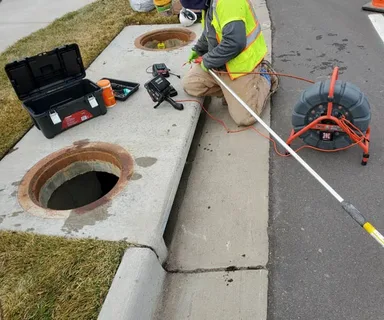
A Septic Tank Camera Inspection is a diagnostic procedure that utilizes a high-resolution waterproof camera attached to a flexible fiber optic cable to navigate the intricate network of a septic system. This technology transmits live video feeds to a monitor, allowing the technician to visualize the internal condition of the main sewer line, the inlet and outlet baffles of the tank, and the distribution lines leading to the drain field. The importance of this process lies in its ability to detect issues that standard visual inspections or simple probing cannot reveal. For instance, a pipe might appear fine from the surface, but internal corrosion, bellied sections where water pools, or offset joints can only be seen through direct visual contact. Understanding this technology is crucial for proactive maintenance, as it transforms the management of septic systems from a reactive emergency response to a strategic, data-driven maintenance plan.
Importance of Professional Septic Tank Camera Inspection Services
The importance of professional services in this context cannot be overstated, as the accuracy of the diagnosis depends entirely on the skill of the operator and the quality of the equipment. A professional technician is trained to interpret the images correctly, distinguishing between minor debris accumulation and significant structural failures that require immediate attention. Moreover, professional services often include a comprehensive report with video evidence, which is essential for insurance claims, real estate negotiations, and legal documentation. Without a professional evaluation, property owners risk misdiagnosing the problem, potentially leading to unnecessary excavations or, conversely, failing to address a severe issue that could cause sewage backup into the home. The expertise provided by certified specialists ensures that the inspection is thorough, safe, and compliant with local health regulations, protecting both the property value and the surrounding environment.
Services and Features Related to Septic Tank Camera Inspection
Modern septic service providers offer a range of features integrated with camera inspections to provide a complete picture of system health. These services often include high-definition video recording, which allows for a permanent record of the inspection that can be reviewed later or shared with contractors for repair estimates. Some advanced systems utilize sonar technology alongside the camera to measure the thickness of sludge layers in the tank or to detect voids in the soil around the drain field. Additionally, locators are used in conjunction with the camera to mark the exact position of a defect on the surface, ensuring that if excavation is necessary, it is minimal and targeted. Other related services might include hydro-jetting to clear debris before the camera is inserted, ensuring a clear view of the pipe walls, and smoke testing to identify leaks in the plumbing system that might not be visible through the camera alone. These features combine to offer a holistic diagnostic approach that addresses both immediate blockages and long-term system integrity.
Choosing the Right Septic Tank Camera Inspection Provider
Selecting the right provider for a Septic Tank Camera Inspection requires careful consideration of experience, technology, and reputation. Not all septic companies possess the same level of expertise or the latest diagnostic tools; therefore, it is essential to inquire about the specific equipment they use and the training their technicians have received. A reputable provider should be able to explain the process clearly, provide examples of past inspections, and offer transparent pricing without hidden fees. It is also beneficial to choose a company that offers comprehensive repair services, as this ensures they can address any issues found during the inspection without the need for a third-party contractor. Reading reviews and asking for referrals from neighbors or real estate agents can provide insight into the reliability and thoroughness of the service. Ultimately, the right provider will prioritize the health of the system and the peace of mind of the property owner over making a quick sale on unnecessary repairs.
Quality, Safety, or Industry Standards
Adherence to quality and safety standards is paramount in the septic industry, and camera inspections play a vital role in maintaining these benchmarks. Regulatory bodies often require proof of system condition for permits related to property transfers or renovations, and a video inspection serves as the gold standard for this verification. Safety standards dictate that technicians must use personal protective equipment and follow strict protocols to avoid exposure to harmful gases and bacteria found in sewage. Furthermore, the equipment used must be sanitized between inspections to prevent cross-contamination between different properties. Industry standards also emphasize the importance of accurate reporting; a high-quality inspection report will detail the specific materials of the pipes, the presence of any obstructions, and the overall condition of the tank components. By adhering to these standards, service providers ensure that their work meets legal requirements and contributes to the broader public health by preventing sewage spills and groundwater contamination.
Benefits of Hiring or Using Professional Services
The benefits of hiring a professional for a Septic Tank Camera Inspection extend far beyond simple problem detection; they encompass financial savings, environmental protection, and peace of mind. Financially, identifying a small crack or root intrusion early can prevent the need for a complete system replacement, which can cost tens of thousands of dollars. Environmentally, early detection prevents leaks that could contaminate local water sources, protecting the community and avoiding potential fines. For homeowners, the peace of mind that comes with knowing their system is functioning correctly is invaluable, especially for those with large families or frequent guests. In real estate transactions, a clean inspection report can be a powerful negotiating tool, verifying the value of the property. Conversely, for sellers, a pre-listing inspection can identify and resolve issues before they derail a sale. In essence, the service provides a cost-effective insurance policy against the unpredictable nature of underground infrastructure.
Future Trends and Industry Development
The future of septic system maintenance is poised for significant technological advancement, with camera inspections at the forefront of this evolution. We are seeing the integration of artificial intelligence (AI) into inspection software, which can automatically flag anomalies such as cracks or corrosion, reducing the margin for human error. Remote monitoring systems are also becoming more prevalent, allowing property owners to track the health of their septic system in real-time from a smartphone app. These systems can alert homeowners to changes in water levels or flow rates, prompting a timely Septic Tank Camera Inspection before a minor issue becomes a major disaster. Additionally, there is a growing trend toward eco-friendly inspection methods that use less water and biodegradable lubricants. As municipalities tighten regulations on wastewater management, the demand for precise, documented inspections will only grow, driving further innovation in camera resolution, robotic mobility, and data analytics. These developments promise to make septic system management more accessible, affordable, and reliable for everyone.
Conclusion
In an era where preventive maintenance is key to managing property assets, the Septic Tank Camera Inspection stands out as an indispensable tool for safeguarding septic systems. It eliminates the guesswork and destruction associated with traditional diagnostics, offering a clear, immediate view of the system’s internal health. By investing in this technology, property owners can avoid the financial strain and environmental hazards of unexpected failures. Whether you are purchasing a new home, managing a commercial facility, or simply maintaining an older property, utilizing professional camera inspection services is a decision that pays for itself through extended system longevity and reduced repair costs. Protect your investment and ensure the safety of your environment by making camera inspections a regular part of your maintenance schedule.