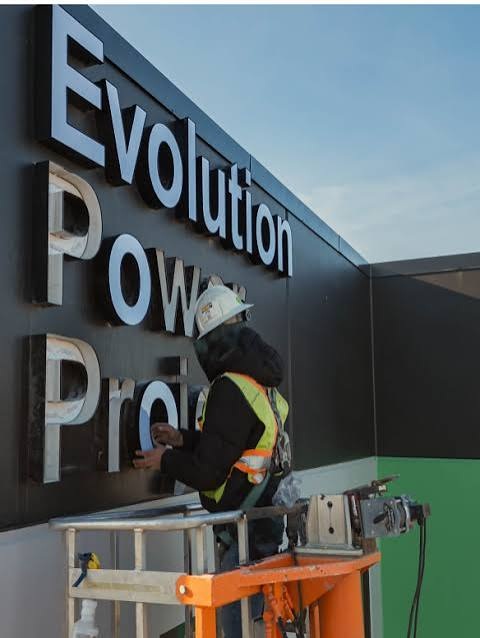
An exterior sign is often one of the first things people notice when approaching a commercial property. It identifies the business, helps visitors locate the correct entrance, and contributes to the property’s overall appearance. A well-planned sign can remain useful for years when its design, mounting method, location, and installation are properly considered. Sign Works helps businesses create exterior signage that combines clear communication with a polished physical presence.
Why Exterior Sign Installation Requires Planning
Outdoor signs are exposed to conditions that indoor signs do not normally experience. Wind, rain, sunlight, temperature changes, dirt, and physical surroundings can all affect a sign over time. The building itself also presents different mounting surfaces and structural considerations.
For these reasons, professional outdoor sign installation involves more than simply attaching a sign to an exterior wall. The installer needs to consider the sign’s size, weight, position, mounting surface, visibility, and intended use before completing the installation.
Making Business Locations Easier to Find
A commercial property can be difficult to identify when exterior signage is small, poorly positioned, or hidden from approaching customers. A clearly visible sign can help people recognize the location before they reach the entrance.
Businesses should consider how customers approach the property from roads, parking areas, sidewalks, and neighboring buildings. Sign placement should provide enough visibility for people to identify the business without creating unnecessary visual clutter.
Selecting the Right Location
The location of an exterior sign can influence its effectiveness. A sign may need to be visible from a particular road, pedestrian route, driveway, or parking area depending on the property.
Professional outdoor sign installation takes the surroundings into account before determining the final position. Trees, utility structures, architectural features, neighboring signs, lighting, and building orientation can all affect visibility.
Understanding Different Sign Types
Commercial properties use many different types of exterior signage. Channel letters, dimensional lettering, cabinet signs, monument signs, projecting signs, wall-mounted signs, and illuminated displays can each serve different purposes.
The appropriate option depends on the building, brand identity, viewing distance, local requirements, and desired appearance. A sign should fit naturally into its environment while remaining easy for customers to recognize.
Preparing the Mounting Surface
Before installation begins, the exterior surface should be evaluated. Brick, concrete, metal, stucco, siding, and other materials can require different mounting approaches.
The condition of the surface is also important. Cracks, loose materials, moisture problems, or damaged areas may affect how the sign can be securely mounted. Proper preparation helps create a more stable foundation for the finished installation.
Creating a Strong Visual Presence
An exterior sign should communicate essential information without overwhelming the surrounding property. The business name, logo, and other important details should have enough visual prominence to be recognized from the intended viewing distance.
Design elements such as typography, spacing, contrast, and proportions influence readability. A simple and balanced design can often communicate more effectively than one containing excessive information.
Considering Sign Height and Viewing Distance
A sign needs to be visible from the locations where potential customers are most likely to see it. A sign mounted too low may be obstructed by landscaping or parked vehicles, while one placed too high may become difficult to read.
Installation height should therefore be considered alongside the surrounding environment. Businesses can evaluate pedestrian and vehicle sightlines to determine the most useful position.
Integrating Exterior Lighting
Some businesses operate during evening hours or need their location to remain recognizable after dark. Exterior lighting can help maintain sign visibility when natural daylight is no longer available.
Illumination can be incorporated into the sign itself or provided through appropriately positioned external fixtures. The lighting should support readability without producing excessive glare or distracting from the sign’s main message.
Durability for Outdoor Conditions
Exterior signs need to withstand the environment in which they are installed. Material selection, hardware, mounting methods, and construction quality can all influence long-term performance.
Businesses should consider the expected weather exposure and maintenance requirements when selecting an exterior sign. A durable installation can help preserve the sign’s appearance and functionality over time.
Safety and Secure Mounting
A sign must be securely attached to its supporting structure. The mounting method should be appropriate for the sign’s dimensions, weight, location, and environmental exposure.
Professional installation helps ensure that these considerations are addressed before the sign is placed. Secure mounting is particularly important for larger signs and installations exposed to significant wind or other outdoor conditions.
Working With Commercial Property Architecture
A successful sign should complement the building rather than appear disconnected from it. Architectural style, exterior colors, entrances, windows, landscaping, and existing signage can all influence the final presentation.
Sign Works can help businesses consider how new signage fits within the property’s existing visual environment. A coordinated approach can create a cleaner and more professional exterior appearance.
Considering Local Requirements
Commercial signage may be subject to property rules, landlord requirements, municipal regulations, or other local considerations. These requirements can affect sign dimensions, placement, illumination, and installation methods.
Businesses should determine which requirements apply to their specific property before beginning a project. Planning for these considerations early can help avoid unnecessary changes later.
Maintaining Exterior Signs
Even durable outdoor signs require occasional attention. Dirt, dust, weather exposure, lighting issues, and physical damage can affect appearance over time.
Regular inspections can help identify maintenance needs. Cleaning surfaces, checking mounting hardware, addressing damaged components, and maintaining lighting systems can help keep signage looking professional.
Updating Outdated Business Signage
A company’s exterior sign should accurately represent its current identity. Changes to a logo, business name, services, location, or branding may create a need for updated signage.
Refreshing an outdated sign can improve consistency between the physical property and the company’s current marketing materials. It also gives businesses an opportunity to review whether the existing sign remains visible and functional.
The Value of Professional Installation
The final appearance of a sign depends on more than its design and materials. Accurate measurements, proper alignment, suitable hardware, secure mounting, and careful finishing all contribute to the completed installation.
Working with an experienced signage provider can help businesses address these practical details while keeping the visual presentation in focus. A carefully installed sign can become a reliable part of the property’s exterior identity.
Conclusion
Exterior signage plays an important role in helping customers identify businesses and navigate commercial properties. From selecting the right sign and location to preparing surfaces, considering visibility, and ensuring secure mounting, every stage contributes to the final result. Sign Works provides professional outdoor sign installation with attention to placement, durability, appearance, and practical site requirements, helping businesses create exterior signage that remains useful and visually effective.