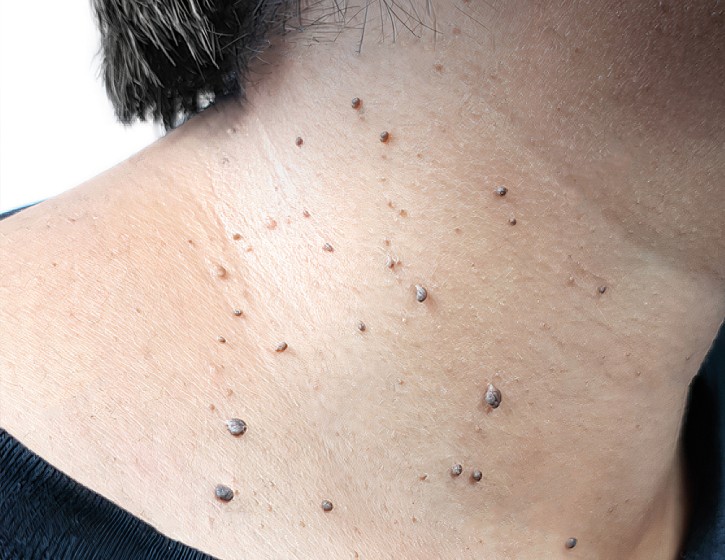
Skin tags are small, soft growths that can develop on areas where skin rubs against skin or clothing. They are common and can appear on the neck, underarms, eyelids, chest, groin and other parts of the body. Although they are often harmless, some people choose to have them removed because they are noticeable, catch on clothing or simply affect their preferred appearance.
If you are considering Skin Tag Removal in London, understanding what happens before, during and after an appointment can help you prepare. A professional assessment is an important first step because not every skin growth is necessarily a skin tag, and the appropriate removal method depends on its size, location and characteristics.
This guide explains what you should know before arranging Skin Tag Treatment London, from the initial consultation to preparation, treatment methods, aftercare and follow-up.
What Is a Skin Tag?
A skin tag is a small, benign growth that typically consists of loose skin and connective tissue. They can be attached to the skin by a narrow stalk or have a broader base.
Skin tags are particularly common in areas where there is repeated friction, including the neck, underarms and areas where skin folds together. They can vary in size and may be skin-coloured or slightly darker.
While many skin tags do not require treatment, people may choose removal for cosmetic or practical reasons.
Why Do People Choose Skin Tag Removal?
There are several reasons someone may decide to have a skin tag removed.
Some people dislike the way a visible skin tag looks, particularly when it is located on the face, neck or another exposed area. Others may find that a skin tag catches on jewellery, clothing or other objects.
A skin tag may also become irritated through repeated friction. Rather than attempting to remove it at home, professional assessment allows the growth to be identified and an appropriate removal method to be considered.
Why Is a Consultation Important?
A consultation is an important part of Skin Tag Removal in London because a practitioner should first determine whether the growth appears to be a skin tag.
Although skin tags have a characteristic appearance, other types of skin growth can sometimes look similar. A professional examination helps determine the appropriate next step.
The practitioner can also assess the size, shape, location and number of growths before discussing the available removal approach.
What Should You Tell Your Practitioner?
Before treatment, provide your practitioner with relevant information about your medical history and any treatments or medications you are currently using.
It is also useful to mention whether the skin tag has changed in appearance or has recently become noticeable.
If you have previously had skin lesions removed, you can discuss this during your consultation. Providing accurate information allows the practitioner to plan the appointment appropriately.
Which Areas Can Be Treated?
Skin tags can occur on many parts of the body, so the treatment area varies between patients.
Common locations include the neck, underarms, eyelids, chest and areas where skin folds or experiences repeated friction.
The treatment method may depend partly on where the skin tag is located. Areas such as the eyelids may require particularly careful assessment because of their proximity to the eyes.
Your practitioner can explain whether the location is appropriate for removal and which approach may be considered.
What Happens During a Skin Tag Assessment?
During an assessment, the practitioner examines the growth closely. They may consider its size, shape, colour and attachment to the surrounding skin.
If the growth appears consistent with a skin tag, the practitioner can discuss the appropriate treatment options.
If there is any uncertainty about the nature of the growth, further assessment may be recommended before removal.
This process helps ensure that treatment is based on an appropriate clinical assessment rather than simply removing a growth based on appearance.
Common Skin Tag Removal Methods
Different techniques can be used to remove skin tags, depending on their characteristics and location.
The practitioner may consider methods such as cutting or snipping the growth, cautery or other suitable clinical techniques. The choice depends on the individual case.
There is no single removal method that is appropriate for every skin tag. The practitioner should explain the recommended approach before proceeding.
Does Skin Tag Removal Take Long?
The duration of an appointment depends on the number, size and location of the skin tags being treated.
A single small skin tag may require a relatively short procedure, while multiple growths can require additional time.
Your clinic can provide an approximate appointment duration during the consultation.
It is useful to allow some additional time for assessment, preparation and aftercare instructions.
Will Local Anaesthetic Be Used?
Whether local anaesthetic is appropriate depends on the removal technique and the individual treatment area.
If anaesthetic is recommended, the practitioner can explain how it will be administered and what sensation you may experience.
For some smaller treatments, a different approach may be sufficient. Your practitioner will explain the method being used before treatment begins.
What Should You Do Before Your Appointment?
Your clinic will provide specific preparation instructions based on your treatment plan.
Before your appointment, make sure the practitioner has accurate information about medications, supplements and relevant medical history.
It can also be helpful to wear comfortable clothing that allows easy access to the treatment area if the skin tag is located on the body.
Avoid attempting to cut, tie off or remove the skin tag yourself before your professional appointment. Home removal can interfere with the assessment and may cause unnecessary skin trauma.
Can Multiple Skin Tags Be Removed?
Multiple skin tags can sometimes be treated during the same appointment. Whether this is appropriate depends on their number, size, location and the practitioner’s assessment.
If you have several skin tags, mention all of them during the consultation. The practitioner can then determine whether they can be addressed during one appointment or whether treatment should be divided into separate sessions.
What Happens Immediately After Removal?
Following Skin Tag Treatment London, your practitioner will provide instructions for caring for the treated area.
The skin may require a period of healing, and the appearance of the treated site can change as it settles.
Your practitioner may provide guidance about keeping the area clean, protecting it from unnecessary friction and using any recommended products.
Follow the specific instructions provided by your clinic rather than relying on general online advice.
Skin Care After Skin Tag Removal
After removal, the treated area should be allowed to heal according to your practitioner’s instructions.
Avoid applying products to the area unless they have been recommended or approved by your practitioner.
If the treated skin is in an area exposed to the sun, ask your practitioner about appropriate sun protection during the healing process.
Good general skincare can also support the appearance of the surrounding skin.
When Can You Return to Normal Activities?
The time needed before returning to your normal routine depends on the removal technique, treatment area and number of skin tags treated.
Some people may return to everyday activities relatively quickly, while other areas may require more careful management during the healing period.
Your practitioner will explain what activities are appropriate following treatment and whether there are any temporary restrictions.
What Will the Treated Area Look Like?
The appearance of the treated area can change during the healing process.
Initially, the area may look different from the surrounding skin because it has undergone treatment. As healing progresses, the skin gradually settles.
The final appearance can depend on factors such as the size and location of the original skin tag, the removal method and the individual’s healing process.
Your practitioner can explain the expected healing stages during your appointment.
Can Skin Tags Return?
Once an individual skin tag has been removed, that particular growth does not simply continue growing back from the same tissue. However, new skin tags can develop elsewhere.
People who are prone to developing skin tags may notice additional growths over time.
If a new growth appears, it is advisable to have it assessed rather than assuming that it is another skin tag.
Why Professional Removal Is Preferable
Although skin tags can appear simple to remove, professional treatment provides an important assessment before the procedure.
A qualified practitioner can determine whether the growth looks like a skin tag and select a suitable removal technique based on its characteristics.
Professional treatment also provides appropriate aftercare guidance and allows the treated area to be monitored if follow-up is required.
For these reasons, it is preferable to have a skin tag assessed and treated professionally rather than attempting removal at home.
Choosing a Skin Tag Removal Clinic in London
Choosing an appropriate Skin Tag Removal Clinic London is an important part of the treatment process.
Look for a clinic that provides a proper consultation, clearly explains the recommended procedure and offers appropriate aftercare information.
Bodyvie Clinic provides dermatology services for people looking to discuss skin concerns such as skin tags.
When researching a clinic, consider the practitioner’s qualifications and experience, the consultation process, treatment options and the quality of aftercare information provided.
Questions to Ask Before Treatment
Before your appointment, consider writing down any questions you have about the procedure.
You may want to ask which removal method is being recommended, why it is appropriate for your particular skin tag and how long the treatment is expected to take.
You can also ask about the healing process, skincare following removal and whether a follow-up appointment is recommended.
Understanding the procedure beforehand can make it easier to feel prepared for your appointment.
Skin Tag Removal for Cosmetic Reasons
Some people seek removal simply because they do not like the appearance of a skin tag.
This is a common reason for seeking professional treatment, particularly when the growth is located somewhere visible such as the neck, face or eyelid.
A consultation provides an opportunity to discuss your aesthetic concerns and determine whether removal is appropriate.
The practitioner can also explain what type of result may reasonably be expected based on the location and characteristics of the skin tag.
Skin Tag Removal for Practical Reasons
Appearance is not the only reason people seek treatment. A skin tag may repeatedly catch on clothing, jewellery or other objects.
Skin tags in areas exposed to regular friction can become a practical nuisance.
If a growth is repeatedly being disturbed, discussing professional removal with a practitioner can help you understand whether treatment is appropriate and which method may be suitable.
How to Prepare for Your Consultation
Preparation does not need to be complicated. Think about when you first noticed the growth and whether you have observed any changes.
Make a note of any other skin tags you would like the practitioner to examine.
You should also prepare information about relevant medications, supplements and previous skin treatments.
Most importantly, avoid trying to alter or remove the growth before your appointment. Allow the practitioner to assess its natural appearance.
Understanding the Treatment Decision
The decision to remove a skin tag should follow an appropriate assessment.
If the growth is consistent with a skin tag and removal is suitable, the practitioner can explain the available options and recommend an approach.
If the growth does not appear typical of a skin tag, the practitioner may recommend additional evaluation rather than proceeding directly with removal.
This assessment-based approach helps ensure that the treatment is appropriate for the specific growth.
Conclusion
Skin Tag Removal in London is a straightforward clinical treatment for people who want to address unwanted skin tags for cosmetic or practical reasons. Before treatment, an assessment is important to confirm that the growth appears to be a skin tag and to determine which removal method is appropriate.
Preparing for your appointment involves providing accurate medical information, discussing previous treatments and identifying all the areas you would like assessed. Your practitioner can then explain the treatment process, expected healing period and aftercare requirements.
If you are considering Skin Tag Treatment London, choosing a professional Skin Tag Removal Clinic London, such as Bodyvie Clinic, can give you access to an individual assessment and appropriate treatment planning.
FAQs
What should I do before skin tag removal?
Before your appointment, provide your practitioner with relevant medical and treatment information, identify the skin tags you want assessed and follow any preparation instructions provided by the clinic.
Can I remove a skin tag at home before my appointment?
It is better not to attempt home removal. Professional assessment allows the practitioner to confirm that the growth appears to be a skin tag and select an appropriate treatment method.
Which areas can skin tags be removed from?
Skin tags can be treated from various areas, including the neck, underarms, chest, eyelids and other areas where they develop. The appropriate method depends on the location and characteristics of the growth.
How long does skin tag removal take?
Treatment time varies depending on the size, number and location of the skin tags. Your clinic can provide an estimated appointment duration after assessing the area.
Can several skin tags be removed during one appointment?
In suitable cases, multiple skin tags can be treated during one appointment. The practitioner will determine whether this is appropriate based on the number and location of the growths.
What happens after skin tag removal?
After treatment, the area goes through a healing process. Your practitioner will provide specific aftercare instructions to help you care for the treated skin.
When can I return to normal activities?
The timeframe depends on the treatment method and location. Your practitioner will explain when you can return to your usual activities following the procedure.
Can new skin tags develop after removal?
Yes, removing one skin tag does not prevent new skin tags from developing elsewhere. Any new or changing growth should be professionally assessed.
How do I choose a skin tag removal clinic in London?
Look for a clinic with appropriately qualified practitioners, a detailed assessment process, suitable treatment options and clear aftercare guidance.
Where can I have skin tag removal in London?
If you are considering Skin Tag Removal in London, you can consult a specialist Skin Tag Removal Clinic London, such as Bodyvie Clinic, for an assessment and discussion of suitable treatment options.