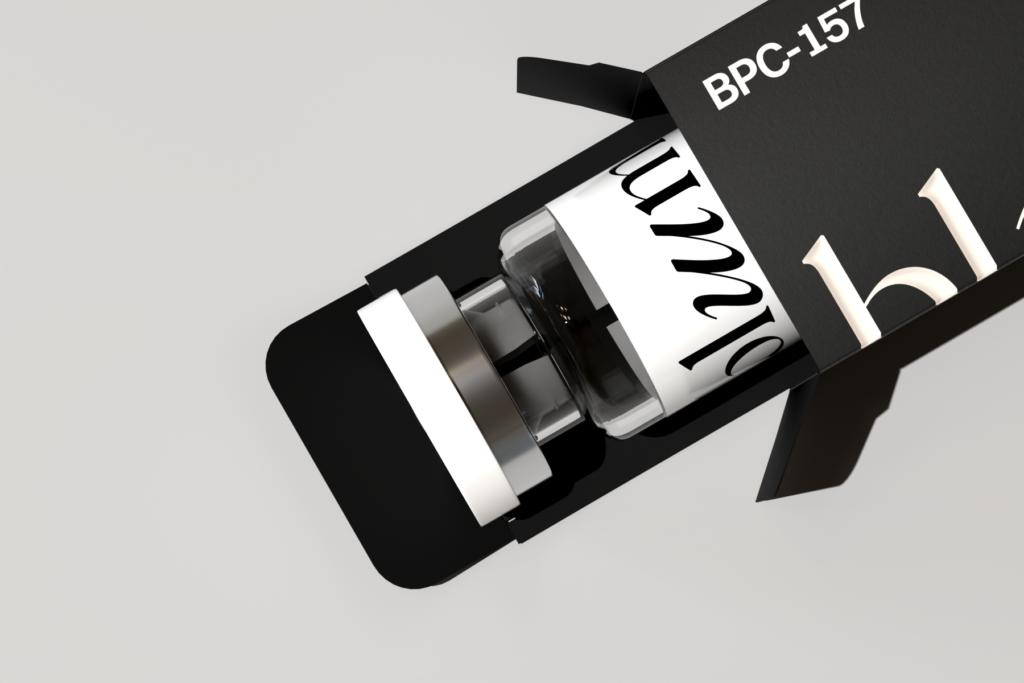
SNAP 8 peptide
SNAP 8 peptide, also known as Acetyl Octapeptide-3, is a synthetic eight-amino-acid peptide studied primarily in relation to cellular signaling and the molecular machinery involved in neurotransmitter release. Its sequence was designed around a region of SNAP-25, an important component of the SNARE protein complex. This connection has made SNAP 8 an interesting subject in biochemical and cosmetic research. However, its proposed mechanism should be distinguished from established clinical effects.
The scientific interest in SNAP 8 comes from its potential interaction with SNARE-complex assembly. This protein machinery helps nerve cells release neurotransmitters through controlled vesicle fusion with the cell membrane. Researchers use SNAP 8 to investigate how a short peptide modeled on part of SNAP-25 may influence this molecular process. Much of the evidence remains mechanistic or formulation-based, so conclusions should be kept within the limits of the available research.
The Cellular Mechanism Behind SNAP 8
The SNARE complex is essential for vesicle fusion and neurotransmitter release. SNAP-25 works together with other proteins, including syntaxin and synaptobrevin, to bring cellular membranes into close contact and facilitate fusion. SNAP 8 was designed to resemble a portion of SNAP-25, providing a molecular basis for studying whether it can compete with the native protein during complex assembly. This makes the peptide useful as a research subject for examining protein interactions.
The proposed mechanism is sometimes compared with the pathway affected by botulinum toxin, but the comparison requires an important distinction. Botulinum toxin is an enzyme that cleaves specific SNARE proteins, whereas SNAP 8 peptide is a synthetic investigated for competitive interactions within the assembly process. Therefore, sharing a molecular pathway does not mean the two substances have equivalent mechanisms or effects. This distinction is important for accurate scientific communication.
SNAP 8 in Cellular Research
Cellular research involving SNAP 8 focuses on questions surrounding protein-protein interactions, vesicle fusion, and neurotransmitter release. In controlled laboratory systems, researchers can examine how peptide fragments interact with components of the SNARE machinery. These experiments can help clarify whether a sequence modeled on SNAP-25 influences complex formation under defined conditions. Such work provides mechanistic information without automatically demonstrating what happens in a complete organism.
This evidence is particularly useful because cellular models allow researchers to isolate individual molecular processes. Scientists can vary experimental conditions, compare control samples, and examine changes in protein interactions without the many variables present in human studies. At the same time, findings from cell-free or cell-based systems cannot automatically establish that the same process occurs after topical exposure. Biological barriers, peptide stability, concentration, and tissue distribution all require separate investigation.
Research Interest in Expression Lines
One reason SNAP 8 has attracted attention is its proposed relationship with facial expression lines. Repeated facial muscle activity contributes to the formation and visibility of dynamic wrinkles, creating interest in compounds that may influence the signaling pathways involved in muscle contraction. Because SNAP 8 is modeled on a portion of SNAP-25, researchers have explored whether its proposed molecular activity could have relevance to this cosmetic research area.
However, the relationship between a molecular mechanism and a visible cosmetic result is not straightforward. A peptide applied to the skin would need to remain sufficiently stable, cross relevant barriers, and reach the biological location associated with the proposed target. Evidence demonstrating these steps specifically for SNAP 8 remains limited. Therefore, research into expression lines should distinguish between the theoretical mechanism, laboratory observations, and measured outcomes from finished formulations.
Analytical and Formulation Research
Analytical testing is an important part of studying SNAP 8 because researchers need to establish the identity and quality of the material used in an experiment. Techniques such as liquid chromatography and mass spectrometry can provide information about peptide composition, purity, and molecular characteristics. These methods are especially useful when researchers need to distinguish the intended peptide from degradation products or impurities. Reliable analytical characterization supports better experimental reproducibility.
Formulation research adds another layer of complexity because peptides may behave differently when incorporated into a finished product. Factors such as pH, temperature, moisture, oxidation, and interactions with other ingredients can influence stability. A laboratory sample of purified SNAP 8 therefore should not automatically be considered equivalent to SNAP 8 incorporated into a complex formulation. Researchers need to evaluate the actual material and conditions used in each experiment.
Evidence Quality and Current Limitations
The strongest evidence surrounding SNAP 8 concerns its chemical identity and the biological rationale derived from SNAP-25 and SNARE-complex research. By comparison, independent evidence demonstrating a specific clinical or cosmetic outcome from SNAP 8 alone is much more limited. Some reported findings involve formulations containing multiple ingredients, making it difficult to determine the independent contribution of SNAP 8. This distinction is essential when evaluating claims about its performance.
Another limitation is the question of biological delivery. A proposed cellular mechanism can be scientifically reasonable while still requiring additional research to determine whether the compound reaches the relevant target under practical conditions. For topical applications, the skin barrier presents a particularly important challenge. Consequently, researchers should avoid treating a demonstrated molecular interaction in a laboratory system as direct proof of an equivalent effect in humans.
SNAP 8 Compared With Other Research Peptides
SNAP 8 belongs to a substantially different research category from peptides investigated for metabolic or tissue-related purposes. For example, BPC-157 is predominantly studied in preclinical models involving tissue responses and other biological systems, while SNAP 8 is associated with SNAP-25 and SNARE-related research. The fact that both are peptides does not mean their mechanisms, applications, or evidence bases are interchangeable. Each compound needs to be evaluated according to its own scientific literature.
The distinction becomes even clearer when considering retatrutide. Someone searching for retatrutide for sale is looking at a completely different investigational compound. Retatrutide is an experimental triple-receptor agonist targeting GIP, GLP-1, and glucagon receptors and is being evaluated in clinical-development programs. It does not share SNAP 8’s proposed SNARE-related mechanism, and information about retatrutide should not be used to support conclusions about SNAP 8.
Why Research Documentation Matters
Detailed documentation can significantly improve the reliability of SNAP 8 research. Researchers should record the exact compound identity, batch information, analytical results, formulation characteristics, experimental conditions, and study endpoints. These details make it easier to determine whether differences between experiments arise from the peptide itself or from variations in methodology. They also allow other investigators to reproduce or critically evaluate the work.
Certificates of analysis can contribute to this process when they are properly linked to the material being tested. A useful analytical record should identify the relevant batch and provide appropriate information about testing methods and reported purity. Such documentation does not demonstrate biological effectiveness, but it can establish greater confidence in the material used for research. This distinction between material verification and biological validation should remain clear.
Future Directions for Cellular Research
Future studies could investigate SNAP 8 through increasingly detailed models of SNARE-complex assembly and cellular signaling. Researchers may examine peptide-protein binding, vesicle fusion, neurotransmitter release, peptide stability, and interactions with related molecular targets. Controlled experiments could also compare SNAP 8 with structurally related peptides to determine how sequence differences influence molecular behavior. These studies would help strengthen understanding of its biochemical role.
Additional research could focus on connecting molecular findings with biological outcomes while maintaining appropriate experimental controls. Independent replication would be particularly valuable because it can determine whether reported effects remain consistent across laboratories and experimental systems. Longer-term investigations could also examine stability and formulation-related variables. Until stronger independent evidence is available, SNAP 8 should remain a subject of scientific investigation rather than being described through unsupported therapeutic claims.
Final Perspective on SNAP 8 Peptide
SNAP 8 peptide is an intriguing synthetic octapeptide because its structure is connected to SNAP-25, a central component of the SNARE machinery involved in neurotransmitter release. Its primary research interest lies in understanding protein interactions, vesicle fusion, and the potential consequences of influencing SNARE-complex assembly. These mechanisms provide a logical foundation for investigation, but laboratory plausibility should not be confused with established human outcomes.
A balanced assessment of SNAP 8 therefore requires attention to both its potential and its limitations. Researchers should distinguish chemical verification from biological validation, cell-based findings from human evidence, and proposed mechanisms from demonstrated effects. Similarly, terms such as retatrutide for sale concern a separate investigational peptide and have no bearing on the molecular mechanism of SNAP 8. Continued controlled research and independent replication will be important for determining the practical significance of this peptide in cellular and cosmetic science.