Teenage skin can change quickly. One day it may feel balanced, and the next you may notice extra oil, clogged pores, blackheads, or breakouts appearing on your face. These changes are common during puberty, when hormonal fluctuations can increase oil production and make the skin more prone to congestion.
The good news is that teenagers don’t need an expensive or complicated skincare routine. In most cases, a few consistent habits can make a bigger difference than using dozens of products.
A practical teenage skincare routine should focus on keeping the skin clean, hydrated, protected from the sun, and treating specific concerns without overloading the skin with harsh ingredients.
Here are seven simple skincare tips that teens and tweens can actually follow.
1. Start With a Gentle Cleanser
Cleansing is one of the simplest ways to keep your skin fresh and remove excess oil, sweat, dirt, and other buildup.
During puberty, the skin may produce more sebum than it did during childhood. When excess oil mixes with dead skin cells, pores can become congested, which may contribute to blackheads and breakouts.
Use a gentle facial cleanser rather than aggressively scrubbing your skin. For most teenagers, cleansing once in the morning and once at night is enough.
If your skin is oily or prone to breakouts, a cleanser containing an ingredient such as salicylic acid may be helpful. If your skin is dry or sensitive, choose a gentle formula that doesn’t leave your face feeling tight after washing.
Avoid using very hot water or rough face scrubs. Clean skin should feel comfortable, not stripped.
2. Moisturize Even If Your Skin Is Oily
Oily skin still needs hydration.
This is an important point because many teenagers assume that moisturizer will make an already oily face even greasier. The opposite approach—constantly drying the skin out—can lead to irritation and make your routine harder to maintain.
Choose a lightweight, non-comedogenic moisturizer if you have oily or acne-prone skin. If your skin is dry, a richer moisturizer may be more comfortable.
Apply moisturizer after cleansing, ideally while the skin is slightly damp.
A basic routine doesn’t need to contain multiple hydrating products. One suitable moisturizer used consistently can be enough to support your skin barrier.
3. Make Sunscreen Part of Your Morning Routine
Sun protection is important at every age.
UV exposure can contribute to premature skin aging and can also make dark marks left after acne more noticeable. If you regularly spend time outdoors for school, sports, travel, or other activities, protecting your skin becomes even more important.
Use a broad-spectrum sunscreen with SPF 30 or higher as the final step of your morning skincare routine.
Don’t apply sunscreen only when you’re going to the beach. Everyday exposure adds up, particularly when you’re outdoors for extended periods.
If you’re swimming, sweating heavily, or spending a long time outside, follow the sunscreen label’s instructions regarding reapplication.
Starting good sun-protection habits early is much easier than trying to undo years of unnecessary sun exposure later.
4. Don’t Pick or Squeeze Your Pimples
A new pimple can be incredibly tempting to squeeze.
But picking, scratching, or repeatedly touching acne can irritate the skin and increase the chance of lingering marks and scarring.
Instead of trying to physically remove every spot, use appropriate acne-friendly skincare and give your skin time to respond.
Ingredients such as salicylic acid can help with clogged pores, while other acne treatments may be appropriate depending on the type and severity of the breakout.
Start with one targeted product rather than combining several strong treatments at once. Excessive use of active ingredients can cause dryness, redness, and irritation.
And remember: occasional pimples during puberty are normal. Your goal should be healthier skin, not completely flawless skin.
5. Pay Attention to What Touches Your Face
Your skincare routine isn’t limited to the products you apply.
Your phone, pillowcase, hands, makeup brushes, towels, helmets, and other objects can regularly come into contact with your face.
You don’t need to become obsessed with keeping everything sterile, but basic hygiene is worth paying attention to.
Try to:
- Wash your hands before touching your face.
- Clean your phone regularly.
- Change pillowcases regularly.
- Wash makeup brushes and applicators.
- Avoid sharing makeup or personal skincare products.
- Use a clean towel for your face.
- Keep hair products away from areas prone to breakouts when possible.
These small habits won’t magically cure acne, but they can help reduce unnecessary buildup and irritation.
6. Keep Your Skincare Routine Simple
One of the biggest mistakes teenagers can make is believing that more products automatically mean better skin.
Social media can make skincare look like a 10-step ritual involving exfoliating acids, masks, toners, serums, oils, scrubs, and multiple moisturizers. In reality, young skin often benefits more from a simple, consistent routine than from constantly experimenting with new products.
A basic routine can provide a solid foundation:
Morning:
Cleanser → Moisturizer → Sunscreen
Evening:
Cleanser → Targeted treatment if needed → Moisturizer
That’s enough for many teenagers.
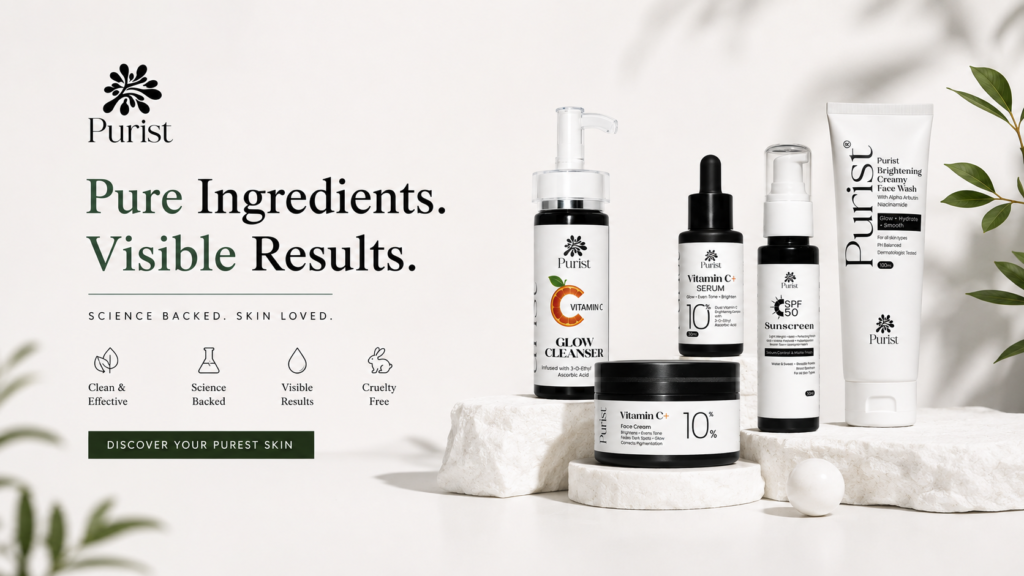
When choosing products, focus on your skin type and specific concerns rather than following every trending routine online. Purist, a skincare brand in Pakistan, focuses on straightforward skincare solutions that can be incorporated into practical everyday routines without making your regimen unnecessarily complicated.
If you decide to try a new product from Purist or any other skincare brand, introduce it one at a time. This makes it easier to understand how your skin responds and identify anything that causes irritation.
Most importantly, don’t replace your entire routine every time a new skincare trend goes viral. Consistency, patience, and choosing products that suit your skin are far more valuable than having a crowded bathroom shelf.
7. Choose Skincare Based on Your Skin Type
There isn’t a single skincare routine that works for every teenager.
Some teens have oily skin, while others experience dryness or sensitivity. Your routine should be based on what your skin actually needs.
Oily Skin
Look for lightweight, non-comedogenic products. Ingredients such as salicylic acid may help with clogged pores and excess oil.
Dry Skin
Focus on gentle cleansing and regular moisturization. Avoid excessive exfoliation and harsh products that leave your skin feeling tight.
Combination Skin
You may notice oiliness around your forehead, nose, and chin while your cheeks feel relatively dry. A balanced routine with lightweight hydration can work well.
Sensitive Skin
Keep your routine simple and introduce new products gradually. Avoid using several potentially irritating active ingredients at once.
Acne-Prone Skin
Choose products carefully and avoid aggressive scrubbing. Depending on your acne, ingredients such as salicylic acid may be useful, while persistent or severe acne may require professional treatment.
Your skin type can also change over time, especially during puberty. Pay attention to those changes instead of following someone else’s routine exactly.
Common Teenage Skincare Mistakes to Avoid
Building a good routine isn’t only about knowing what to use. It’s also about knowing what to stop doing.
Avoid these common mistakes:
- Washing your face excessively
- Scrubbing acne aggressively
- Picking or squeezing pimples
- Using too many active ingredients
- Sleeping with makeup on
- Sharing makeup or skincare products
- Skipping sunscreen
- Using products simply because they’re trending
- Changing products too frequently
- Assuming burning or peeling means a product is working
A skincare product shouldn’t leave your face painfully irritated just to prove that it’s “strong.”
What Ingredients Can Be Useful for Teen Skin?
You don’t need to memorize every skincare ingredient, but understanding a few common ones can help when choosing products.
Salicylic Acid: A beta hydroxy acid commonly used to exfoliate inside pores and help manage clogged pores and acne-prone skin.
Niacinamide: Often used in skincare products designed to support the skin barrier and improve the appearance of excess oil and uneven-looking skin.
Hyaluronic Acid: A hydrating ingredient that helps the skin retain moisture.
Ceramides: Lipids that help support the skin’s natural protective barrier.
The important thing is to choose ingredients according to your actual skincare concern. Using every popular ingredient at once isn’t a shortcut to better skin.
When Should a Teen See a Dermatologist?
Mild occasional breakouts are common during puberty and don’t necessarily require professional treatment.
However, it’s worth talking to a dermatologist if acne is painful, persistent, widespread, leaving scars, or not improving with a consistent basic routine.
Professional advice can also be helpful if acne is affecting confidence or making you feel uncomfortable about your appearance.
Instead of repeatedly buying different products and hoping something works, a dermatologist can assess your skin and recommend treatment based on the type and severity of your acne.
A Simple Skincare Routine for Teens
Good teenage skincare doesn’t need to be complicated.
Start with three basics:
Cleanse. Moisturize. Protect.
Then add a targeted treatment only when you actually need one.
The most important thing is consistency. Give your routine time, avoid constantly switching products, and treat your skin gently.
Puberty can bring plenty of changes, including changes in your skin. A few pimples or oily days don’t mean you’re doing something wrong. With a simple routine and sensible skincare choices, you can build healthy habits that continue to benefit your skin long after the teenage years.