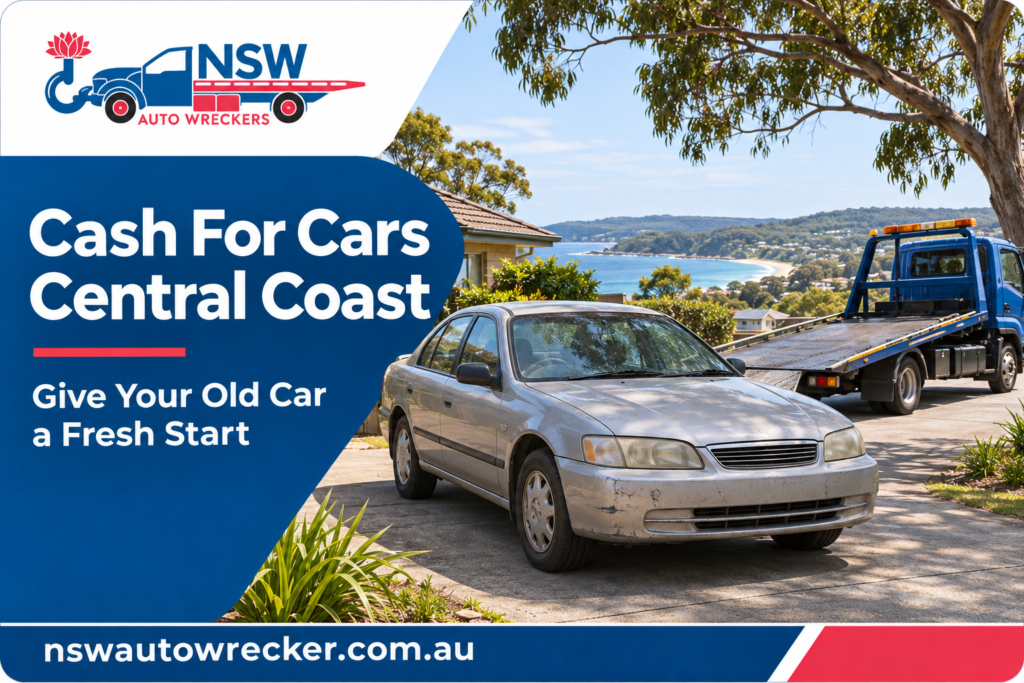
There is usually a reason an old car stays in the driveway. Perhaps you planned to replace the battery, find a cheaper mechanic or pass it on to someone in the family. Then another month goes by, the tyres soften, and the space becomes more useful than the vehicle.
For owners considering Cash For Cars Central Coast, the first step is understanding what the car might be worth and what the collection involves. A little preparation can help you compare offers, avoid confusion and decide whether selling makes more sense than another repair.
When another repair deserves a second thought
A repair bill does not automatically mean it is time to let a vehicle go. A reliable car with a clear service history may still be worth maintaining. The harder decision comes when one repair follows another, with little confidence that the next visit to the workshop will solve the problem.
Look beyond the immediate quote. Consider how often you use the vehicle, whether it meets your needs and how much inconvenience the breakdowns cause. A second household car that rarely moves deserves a different assessment from the ute you depend on for work.
Money already spent can make the decision difficult. However, yesterday’s repairs will not necessarily make tomorrow’s ownership cheaper. Focus on the costs and usefulness ahead.
An old vehicle can have more than one kind of value.
A car does not need to be ready for a private buyer to have value. Depending on its condition, it may contain components suitable for reuse, along with materials that can be recovered through recycling.
That does not mean every damaged vehicle attracts a large offer. Make, model, age, condition and demand for particular parts can all influence an assessment. Missing components or extensive damage may also affect the price.
This is why scrap car buyers need more than a registration number and a photograph of the bonnet. A clear description helps them assess the vehicle properly and reduces the chance of a disagreement when collection takes place.
Choose a selling method that suits the vehicle.
Private selling can suit a presentable, running car when you have time to manage enquiries and inspections. You control the asking price and can explain its history directly to interested buyers.
The process becomes less convenient when the vehicle cannot start or needs significant work. Prospective buyers may ask about transport, request repeated inspections or negotiate heavily after seeing the damage.
If your main thought is, “I need to sell my car without spending every weekend answering messages,” a direct vehicle buyer may be worth considering. Compare the likely return with the time, preparation and transport each option requires. The highest advertised asking price is not always the amount you eventually receive.
Give the buyer a useful description.
Before requesting quotes, put together a short, accurate summary. Include the make, model, approximate kilometres and whether the engine starts. Mention known mechanical faults, accident damage and any major parts that have been removed.
Photos should show the whole vehicle, visible damage and the space around it. A close photograph of a dent helps, but a wider image can reveal collection difficulties that might otherwise be missed.
You do not need to diagnose an unfamiliar fault. Saying the engine turns over but does not start is more useful than guessing that it needs a replacement engine. Describe what you know, and make uncertainty clear.
Compare the complete offer.
A useful quote should help you understand both the proposed payment and the collection arrangements. Before accepting, ask whether the amount depends on an inspection and what circumstances could change it.
Also confirm whether towing is included, how payment will be made and when it will be completed. Keep written confirmation of the agreed details, so you have something clear to refer to.
When researching car wreckers Sydney NSW residents can contact, check that the business also covers your Central Coast suburb. NSW Auto Wreckers advertises free removal and vehicle assessments in the region, including locations such as Gosford, Erina and Kariong. Confirm availability for your address when enquiring.
Explain access before collection day.
Collection involves more than knowing the street address. A vehicle parked beside the road presents a different job from one sitting behind a locked gate or at the bottom of a steep driveway.
Tell the operator if the car has flat tyres, locked wheels or steering that will not move. Mention low branches, narrow access and nearby vehicles that could restrict loading.
These details are especially useful when a vehicle has been sitting for a long time. You may have become used to working around it, while the collection driver will be seeing the situation for the first time. Sharing photographs beforehand gives the operator a better chance to plan suitable equipment.
Check the cabin carefully before handing it over.
Cars collect personal belongings in places owners rarely inspect. Look beneath the seats, inside the spare-wheel compartment and behind the sun visors. Check the glovebox for documents containing your address or other personal details.
Remove toll tags, parking permits, charging cables and anything you want to keep if the vehicle has a connected entertainment system, clear saved contacts, addresses and paired devices where possible.
Ask the buyer which identification and ownership documents they need before the appointment. Keep a record of the transaction, including the agreed amount and vehicle details, so you can refer to it later.
Think about what happens after collection.
Removing unwanted cars frees up space, but the destination also matters. Ask the buyer whether the vehicle will be assessed for reusable parts, dismantled or passed to another operator.
A clear explanation is more helpful than a broad promise about being environmentally friendly. You should be able to understand who is collecting the vehicle and what service you are agreeing to.
There is no need to rush simply because you have finally decided to let the car go. A few practical questions can make the handover much easier.
Turn a parked problem into a clear decision.
Start with the facts: the vehicle’s condition, the cost of keeping it and the effort involved in selling it. Then request an assessment and compare the complete offer against your other options.
NSW Auto Wreckers accepts enquiries about old, damaged and non-running vehicles through its website. You can contact NSW Auto Wreckers with your vehicle details and location to discuss the next step.