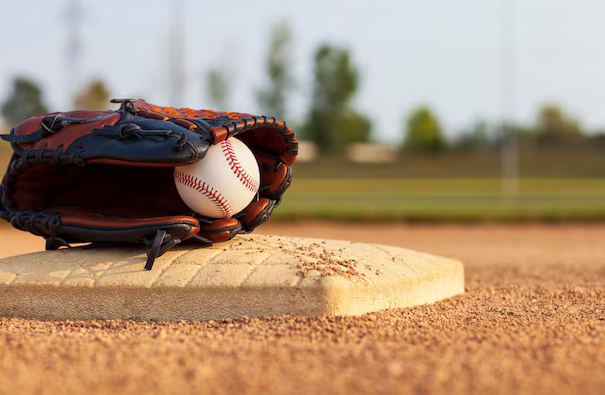
A baseball backstop net is a durable, high-strength mesh barrier, usually made of HDPE or nylon, installed behind home plate to catch foul balls, protect spectators, and secure the field. These nets are essential for both professional stadiums and training facilities to prevent stray balls from leaving the field, thereby ensuring safety during games and batting practice.
Classification of Nets
Types of baseball backstop net include cable-suspended/tie-back systems for optimal spectator visibility, inline systems for classic pole-and-net configurations, and portable/temporary nets for training purposes. These nets are usually made from high-strength, UV-stabilized materials such as nylon or Dyneema to guarantee durability, safety, and clear, unobstructed views.
A modern and popular choice, cable suspended/tie-back netting features netting hung from steel cables, offering an unobstructed, “see-through” view for spectators.
The traditional method of inline netting involves installing the net directly onto vertical poles situated behind the home plate area.
Canopy Netting: It extends from the top of the backstop to safeguard spectators in the stands from high pop-ups.
Smaller, mobile nets are used for batting cages, pitching tunnels, or practice sessions.
Materials used
Baseball backstop nets are primarily made from high-strength, UV-stabilized materials such as nylon (for shock absorption and strength) or high-density polyethylene (HDPE) (for weather resistance). High-quality nets frequently employ Dyneema or Kevlar to achieve enhanced durability and resistance to high-speed impacts. These are typically knotted, hung square, and coated for weather protection.
Nylon is the industry standard for durability, renowned for its superior shock absorption and strength, and is often treated with UV inhibitors and latex/varnish for water resistance.
A lighter, highly weather-resistant, and non-stretching option, such as polyethylene (HDPE), is ideal for outdoor, long-term installations.
Dyneema/Kevlar is utilized in high-end, professional contexts for its extreme strength, minimal visual obstruction, and high impact resistance.
High-Resistance Polypropylene (HRPP) is used for durable, knotless netting options.
Common Features:
UV treatment protects the nylon or poly from sun damage.
Knotted construction typically offers maximum strength, usually in tension applications.
Mesh sizes.
Border ropes are often reinforced with polyester or nylon rope on the edges for added stability.
When selecting the correct size for a baseball backstop net, several key factors need to be taken into account.
Measure the dimensions of the space allocated for the net installation first. The measurement should cover the distance from the rear of the pitcher’s mound out to where you want the net to stretch, typically spanning 10 to 30 feet.
The Primary Purpose.
In batting practice, it is crucial to guarantee that the backstop nets are sufficiently large to catch all stray balls, considering the distances between the pitcher and the batter.
When preparing for games, the net needs to be both taller and wider to effectively contain foul balls and errant pitches, thus preventing them from leaving the designated area.
Installation Method: Consider the approach for installing the backstop nets. Some nets are designed to be freestanding, whereas others need to be attached to fixed structures
If your area does not conform to standard dimensions, you can order custom nets that are tailored to your specific measurements. Nets for backstops come in a variety of standard sizes to suit different fields and training environments.
Benefits
The primary benefit of Enhanced Spectator Safety is protecting fans from high-velocity balls and shattered bats.
Unlike chain-link fences, netting offers spectators a clear, unobstructed view of the game.
High, durable netting effectively contains stray balls, keeping them on the field and minimizing game interruptions.
The system provides protection for cars, buildings, and other property located near the field.
Netting is generally cheaper to install than chain-link fencing, is resistant to UV degradation, and can withstand harsh weather conditions.
Netting is designed to absorb the shock of a ball, thereby reducing the risk of dangerous ricochets compared to rigid fences.