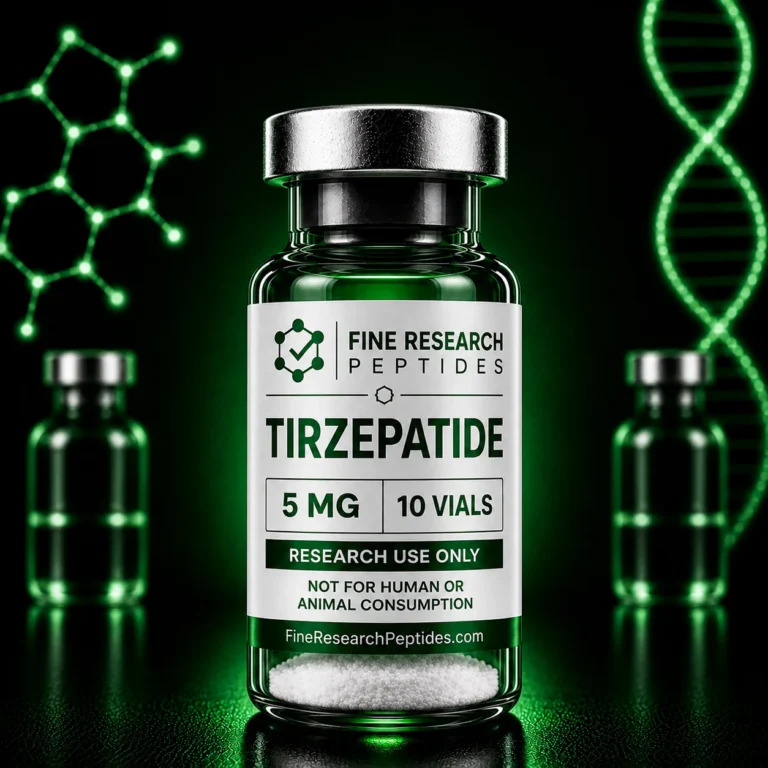
Tirzepatide has become a significant subject in pharmaceutical research because of its unique interaction with two hormone receptors associated with metabolic regulation. Scientists continue to explore how this compound influences biological processes involving insulin secretion, blood glucose levels, appetite, and digestion. Its distinctive properties have created opportunities for further investigation into metabolic pathways and peptide science.
As interest in this compound grows, searches for tirzepatide research peptide for sale and buy tirzepatide online have become increasingly common. However, understanding tirzepatide requires more than comparing online product descriptions. Its molecular structure, analytical testing, scientific applications, and regulatory status are important parts of the discussion.
Whether exploring peptide chemistry or learning about pharmaceutical development, readers benefit from accurate information about the compound and its intended applications. Understanding the difference between laboratory research materials and approved prescription medicines is particularly important.
What Is Tirzepatide and How Does It Work?
Tirzepatide is a synthetic peptide that activates two hormone receptors, glucose-dependent insulinotropic polypeptide (GIP) and glucagon-like peptide-1 (GLP-1).
These receptors participate in several metabolic processes, including insulin secretion, blood glucose regulation, and appetite signaling. Their activity helps the body respond to food intake and changing energy requirements.
Understanding GIP and GLP-1
GIP and GLP-1 are hormones naturally released by the digestive system after eating. They help regulate the body’s response to nutrients and contribute to metabolic activity.
GIP is involved in glucose-dependent insulin secretion, while GLP-1 contributes to insulin regulation, appetite signaling, and digestive processes.
Scientists study these hormones to understand how different biological pathways communicate and influence metabolic functions.
Why Tirzepatide Is Different
The distinctive feature of tirzepatide is its ability to activate both GIP and GLP-1 receptors.
This dual receptor activity makes it an interesting compound for studying interactions between different hormonal pathways. Researchers investigate how these pathways influence metabolic signaling and related biological processes.
Its molecular design has also made it an important subject in pharmaceutical science.
Tirzepatide Research Peptide for Sale: Understanding Product Quality
People searching for a tirzepatide research peptide for sale may encounter different suppliers, product descriptions, and laboratory claims.
Before evaluating these listings, it is important to understand that research-grade materials are intended for controlled scientific investigations. They are not automatically approved for human use and should never be considered alternatives to prescription medicines.
What Does Research Grade Mean?
Research-grade peptides are materials used in scientific investigations and laboratory analysis.
Their evaluation may involve several characteristics, including molecular identity, purity, composition, and stability.
However, the term research grade does not represent a universal quality guarantee. Researchers should examine relevant analytical documentation rather than relying entirely on marketing descriptions.
The Importance of Supplier Transparency
Transparent product information helps researchers understand the characteristics of a material.
Useful documentation should identify the compound, provide available testing information, and explain its intended research classification.
Clear information also helps distinguish laboratory materials from pharmaceutical products intended for medical treatment.
Important Quality Factors in Peptide Testing
Quality control is essential in peptide research because the characteristics of laboratory materials can influence experimental findings.
Different analytical techniques help scientists evaluate sample composition, molecular identity, and consistency.
Purity and HPLC Analysis
High-performance liquid chromatography, commonly called HPLC, is a laboratory technique used to separate different components within a sample.
It provides information about sample composition and can help identify certain impurities.
Purity is an important measurement, but it should not be treated as complete proof of quality. A high reported purity percentage does not independently confirm molecular identity, safety, or suitability for a particular research application.
Molecular Identification Through Mass Spectrometry
Mass spectrometry is another important analytical technique used in peptide research.
It provides information about molecular mass and can help researchers assess whether a sample matches the expected characteristics of a compound.
Using appropriate analytical methods provides a more complete understanding of sample identity and composition.
Batch Testing and Documentation
Batch identification supports traceability and allows researchers to connect testing information with the material being evaluated.
Useful records may include:
- Compound identity and batch numbers.
- Available purity and analytical testing results.
- Laboratory testing methods and relevant reports.
- Storage and handling documentation.
- Clear research-use classification.
These records help laboratories maintain accurate documentation and evaluate research materials more consistently.
Buy Tirzepatide Online: Understanding the Differences
The search phrase buy tirzepatide online is often associated with product availability, supplier information, and purchasing options.
However, research-grade materials and approved prescription medicines are fundamentally different.
Tirzepatide is the active ingredient in prescription medicines such as Mounjaro and Zepbound in the United States. These products have specific approved indications, manufacturing requirements, and official prescribing information.
Research-labeled products are not equivalent to approved medicines and should never be used as substitutes for prescribed treatment.
Understanding Prescription Requirements
Anyone considering tirzepatide as a medical treatment should consult a qualified healthcare professional.
A healthcare professional can review medical history, current medications, treatment goals, and possible risks before discussing appropriate options.
Prescription medicines should be obtained through properly licensed pharmacies that follow applicable regulations.
Recognizing Unreliable Online Claims
Online product listings sometimes make claims about purity, effectiveness, or quality without providing enough supporting evidence.
Readers should be cautious about guaranteed results, unsupported medical promises, and descriptions suggesting that research materials are suitable for personal treatment.
A certificate of analysis may provide useful laboratory information, but it does not independently establish regulatory approval or suitability for human use.
Scientific Research Applications of Tirzepatide
Tirzepatide is an important subject in metabolic research because its activity involves two hormone receptors connected to several biological processes.
Scientists investigate these pathways to improve their understanding of metabolic regulation.
Research Into Glucose Regulation
Glucose regulation is one of the main areas associated with tirzepatide research.
GIP and GLP-1 receptors participate in the body’s response to changing blood glucose levels. Researchers examine how these pathways influence insulin secretion and related metabolic functions.
This research contributes to a broader understanding of hormonal signaling and glucose metabolism.
Studying Appetite and Digestive Processes
Appetite regulation and digestion are also important subjects in pharmaceutical research.
GLP-1 receptor activity is associated with appetite signaling and gastric emptying. Researchers investigate how these processes interact with other hormonal pathways.
Understanding these relationships provides useful information about the biological systems involved in digestion and metabolic activity.
Exploring Pharmaceutical Development
Peptide research supports different stages of pharmaceutical development.
Scientists examine molecular structure, biological activity, stability, and formulation characteristics to understand how compounds behave under controlled conditions.
Reliable testing and appropriate laboratory methods help researchers produce meaningful scientific observations.
Storage, Stability, and Laboratory Practices
Storage and handling are important considerations when working with peptide materials.
Different compounds and formulations may have different stability requirements. Factors such as temperature, moisture, and environmental exposure can influence material characteristics.
Researchers should follow specific manufacturer documentation and established laboratory procedures instead of assuming that all peptides require identical storage conditions.
Maintaining Accurate Research Records
Accurate documentation supports consistency and traceability.
Laboratories should maintain records of material identification, batch information, analytical results, and relevant experimental conditions.
These records help researchers review findings and identify possible differences between samples.
Responsible Laboratory Handling
Research materials should be clearly labeled and handled in suitable laboratory environments.
Qualified personnel should follow established safety procedures and applicable handling requirements.
Research-only products should never be assumed suitable for injection, consumption, or personal medical use.
Safety and Regulatory Considerations
Safety is essential when discussing compounds associated with pharmaceutical applications.
Approved tirzepatide medicines include official prescribing information covering potential adverse reactions, warnings, and medical considerations.
Commonly reported adverse reactions include nausea, diarrhea, vomiting, constipation, and abdominal discomfort. Official prescribing information also includes important warnings that healthcare professionals should review when evaluating treatment.
Research-grade products do not automatically undergo the same regulatory review as approved prescription medicines.
Conclusion
Tirzepatide continues to attract scientific interest because of its dual GIP and GLP-1 receptor activity and its connection to important metabolic pathways. Whether exploring a tirzepatide research peptide for sale or searching for information about buy tirzepatide online, understanding molecular properties, analytical testing, product documentation, and regulatory requirements is essential. Research materials must remain separate from approved medicines intended for human treatment. Fine Research Peptides recognizes the importance of transparent product information, scientific awareness, and responsible research practices when exploring peptide compounds.