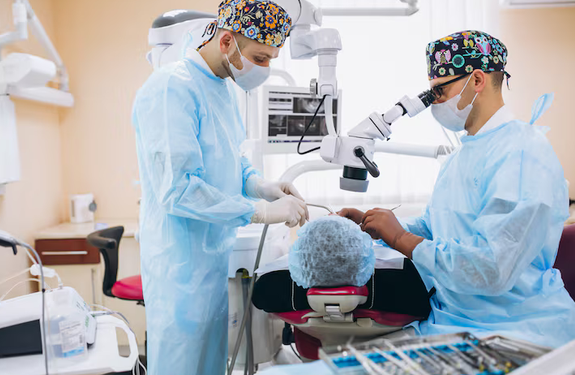
Temporomandibular joint problems can affect much more than the jaw. Pain may make chewing uncomfortable, cause clicking or stiffness, or make it difficult to open the mouth normally. While many TMJ conditions can be managed without surgery, some persistent or structural problems may require a surgical approach. Understanding evaluation, treatment choices, recovery, and potential risks can help patients make informed decisions when considering TMJ surgery Asheville NC care.
What Is the Temporomandibular Joint?
The temporomandibular joints connect the lower jaw to the skull and allow movements needed for speaking, chewing, yawning, and swallowing. Each joint contains bones, muscles, ligaments, and a small disc that helps movement remain smooth.
Problems can develop when the joint, disc, surrounding muscles, or supporting structures become damaged or irritated. Symptoms vary widely. Some people experience pain, while others notice limited movement, locking, clicking, or changes in how their teeth meet.
When Is Surgery Considered?
Surgery is generally not the first option for most TMJ problems. Providers may first recommend conservative approaches such as modifying jaw habits, physical therapy, medication, or other non-surgical care.
Surgery may be considered when symptoms remain significant despite appropriate treatment or when imaging reveals a structural problem that may benefit from an operation. The decision depends on the diagnosis, severity of symptoms, functional limitations, and overall health.
Common Reasons for TMJ Surgery
Several conditions can contribute to the need for surgical treatment. These may include severe joint damage, persistent disc problems, arthritis, significant trauma, abnormal joint structure, or repeated episodes of jaw locking.
Because TMJ disorders have different causes, the procedure must match the underlying problem. A treatment that may help one joint condition may not be appropriate for another. A careful diagnosis is therefore essential before surgery is planned.
How Diagnosis Guides Treatment
A detailed examination helps identify the source of jaw symptoms. The provider may assess jaw movement, tenderness, bite, facial symmetry, and joint sounds. A medical and dental history can also reveal previous injuries, treatments, or habits that affect the joint.
Imaging may provide a closer look at the bones and soft tissues. Depending on the suspected problem, different types of scans can help the surgical team understand joint anatomy and select an appropriate treatment strategy.
Types of Surgical Approaches
TMJ surgery can range from minimally invasive procedures to more extensive joint reconstruction. Arthrocentesis uses small instruments and fluid to address certain joint problems. Arthroscopy uses a small camera and specialized instruments inside the joint.
More complex conditions may require open-joint procedures or reconstruction. The choice depends on the joint’s condition and the patient’s specific diagnosis. Patients should ask why a particular procedure is being recommended and what alternatives may exist.
Preparing for Surgery
Preparation depends on the planned operation and the patient’s medical history. The surgical team may review medications, allergies, previous procedures, and general health. Patients may also receive instructions about eating, drinking, medications, transportation, and activity before surgery.
Those considering TMJ surgery Asheville NC treatment should use the consultation to discuss expected benefits and limitations. Understanding the plan in advance can reduce uncertainty and make preparation easier.
What Recovery May Involve
Recovery varies according to the type of surgery. Temporary swelling, soreness, stiffness, and changes in jaw movement may occur. Some patients may need a modified diet while tissues heal, especially if chewing is uncomfortable.
Physical therapy or guided jaw exercises may be recommended to support mobility. Follow-up visits allow the provider to monitor healing and address concerns. Recovery can take time, and patients should follow activity and diet instructions carefully.
Potential Risks and Complications
As with any surgery, TMJ procedures have potential risks. These may include infection, bleeding, swelling, scarring, changes in sensation, limited movement, or persistent symptoms. More specific risks depend on the procedure and the structures involved.
Patients should discuss possible complications with their surgical team before treatment. Providing a complete medical history and following postoperative instructions can help support safer recovery.
Questions to Ask Your Surgical Team
Before surgery, patients can ask what diagnosis is being treated, why surgery is recommended, and what non-surgical alternatives remain. It is also helpful to ask about the expected recovery period, dietary restrictions, physical therapy, follow-up visits, and signs that require medical attention.
Patients should also ask what outcome can realistically be expected. Clear expectations can make it easier to evaluate progress after surgery and understand that healing does not always happen immediately.
Making an Informed Decision
Choosing surgery is a personal decision that should be based on a clear diagnosis and a thorough discussion with a qualified professional. Patients may want to understand the potential benefits, risks, alternatives, recovery requirements, and long-term expectations before proceeding.
People researching TMJ surgery Asheville NC options should focus on individualized evaluation rather than relying on a generic treatment description. Every jaw joint has different anatomy, and every patient’s symptoms have a different history.
Final Thoughts
TMJ surgery can be appropriate for selected patients with persistent symptoms or structural joint problems that have not responded adequately to other care. The most suitable procedure depends on the cause of the condition, the extent of joint damage, and the patient’s functional needs.
A thorough evaluation is the foundation of good treatment planning. Patients considering TMJ surgery Asheville NC care should discuss diagnosis, alternatives, expected recovery, and potential risks before making a decision. Careful preparation and follow-up can support a smoother recovery and more realistic expectations.