A heating and cooling system can quietly lose most of its value while it sits unused. A restaurant closes, a warehouse upgrades its rooftop units, or a contractor ends up with more inventory than projects. Suddenly there is a pile of equipment that nobody quite knows what to do with.
This is where a professional HVAC liquidation company in Clover comes in. These specialists help property owners, contractors, and businesses turn surplus or used heating and cooling equipment into recovered value instead of letting it collect dust or end up in a landfill.
Understanding HVAC Liquidation
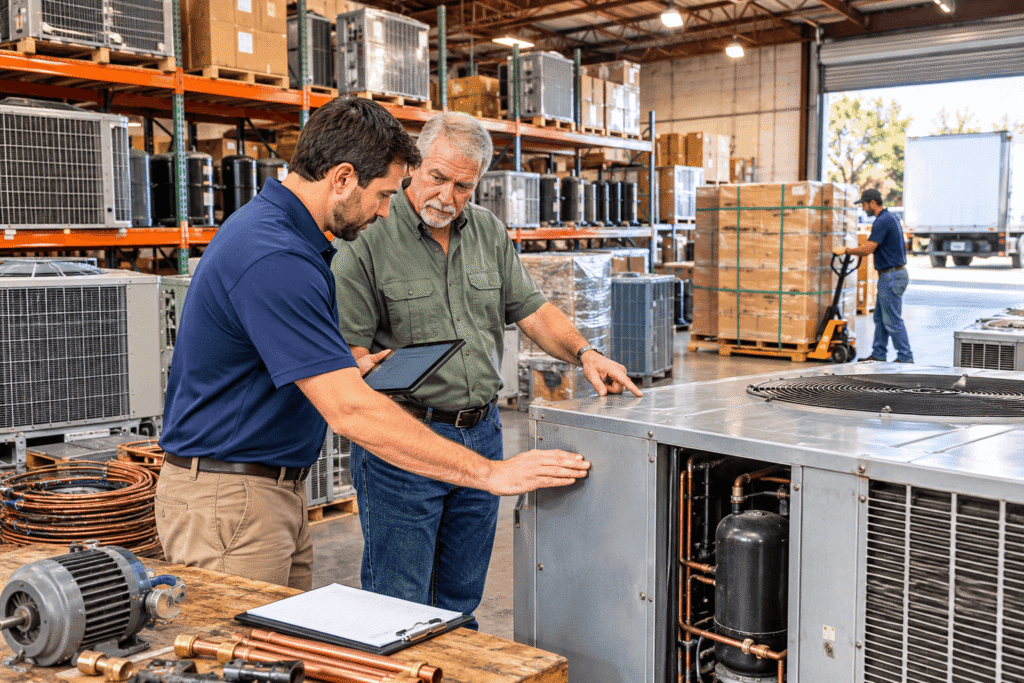
HVAC liquidation is the process of assessing, removing, and reselling heating, ventilation, and air conditioning equipment that is no longer needed. That can include rooftop units, condensers, air handlers, furnaces, heat pumps, ductwork, and even spare parts sitting in storage.
Unlike a simple scrap pickup, liquidation focuses on value. Equipment that still works, or can be refurbished, often has a resale market. Parts like compressors, motors, and coils can also be sold separately when a full unit is no longer usable.
The goal is simple: recover as much as possible from equipment that would otherwise become a cost.
Why Local Demand Keeps Growing
Clover, SC sits in York County, close to Lake Wylie and within easy reach of the Charlotte metro area. Over the past decade, the region has seen steady residential and commercial growth. New subdivisions, retail centers, and light industrial spaces have changed the local landscape.
All that growth creates turnover. Older buildings get renovated, and businesses relocate or expand. Every one of those changes can leave behind HVAC equipment that no longer fits the new plan.
The Southern climate plays a role too. Long, humid summers put heavy demand on cooling systems. Many property owners upgrade to more efficient units well before the old ones fully fail, which leaves plenty of functional equipment in circulation.
Common Situations That Lead to Liquidation
Business closures are one of the most frequent triggers. When a restaurant, gym, or retail store shuts down, the owner or landlord often needs to clear the space quickly. Commercial HVAC units can be expensive to remove, so selling them makes far more sense than paying to haul them away.
Contractors also deal with surplus stock. A canceled project or a change in client plans can leave a company holding new units still in the box. Storing that inventory takes up space and ties up cash.
Facility upgrades are another common reason. A school, office park, or manufacturing site may replace an entire system to meet new efficiency standards. The old equipment may still have years of life left for a different buyer.
Then there are estate sales, foreclosures, and property transfers. In these cases, the people handling the property often have little HVAC knowledge. They need someone who can tell the difference between a valuable unit and true scrap.
The Practical Benefits
The most obvious benefit is financial. Instead of paying removal fees, owners can often recover a portion of the equipment’s original cost. For large commercial units, that amount can be meaningful.
Time savings matter just as much. Liquidation specialists usually handle the assessment, removal, and resale process. That frees owners and managers to focus on closing a deal, preparing a space, or moving on to the next project.
There is also the environmental side. HVAC systems contain refrigerants, metals, and components that require proper handling. Experienced liquidators understand refrigerant recovery rules and know how to keep usable parts out of landfills.
Finally, there is the value of expertise. Pricing used HVAC equipment is tricky. Brand, age, tonnage, condition, and refrigerant type all affect what a unit is worth. A seasoned professional can spot value that an untrained eye might miss.
What to Look for in a Liquidation Partner
Not every company handles this work the same way. Reputable providers usually offer an on-site evaluation before making any offer. They explain how they arrived at a price and what factors shaped it.
Licensing and insurance are important, especially when large rooftop units need to be removed with cranes or rigging. Proper handling protects the building, the workers, and the property owner from liability.
It also helps to ask about refrigerant handling. Any company removing HVAC equipment should follow EPA guidelines for recovering refrigerants safely. This is not just good practice; it is required by law.
Transparency matters most. Clear communication about timelines, costs, and what happens to the equipment afterward builds trust on both sides.
Real-World Examples
Picture a small strip mall near the edge of town. Two tenants move out within the same month, leaving behind four rooftop units. The property manager has new tenants lined up who want updated systems. Rather than paying for removal, the manager works with a liquidator who buys the old units and handles the crane work in a single day.
Or consider a local mechanical contractor who ordered several heat pumps for a housing project that stalled. The units sit in a warehouse for months. By working with Clover HVAC equipment liquidation services, the contractor turns that idle stock into working capital for upcoming jobs.
Another common case involves a family settling an estate. The property includes a detached workshop with a commercial-grade heating system the family knows nothing about. A liquidation specialist evaluates it, explains its value, and removes it so the property can be sold.
In each case, the common thread is the same. Equipment that felt like a burden becomes something useful again.
How the Process Typically Unfolds
Most liquidation projects start with a conversation and a walkthrough. The specialist inspects the equipment, notes model numbers and condition, and checks how difficult removal will be.
From there, the owner receives an offer or a consignment proposal. Some companies buy equipment outright, while others sell it on the owner’s behalf and share the proceeds.
Once both sides agree, removal is scheduled. Smaller residential units might take an hour or two. Large commercial systems can require permits, cranes, and careful coordination with building managers.
A Growing Part of the Local Trade
As the area continues to grow, demand for Clover HVAC equipment liquidation services is likely to keep rising. More construction and more renovation naturally mean more equipment changing hands.
Local firms such as On Time HVAC are part of a wider network of businesses in the region that understand both the technical and practical sides of heating and cooling equipment. That local knowledge helps owners in Clover, SC make smarter decisions about what to keep, what to sell, and what to recycle.
For anyone sitting on unused HVAC equipment, the takeaway is clear. Working with a professional HVAC liquidation company in Clover can turn an inconvenient problem into a practical, value-driven solution, while keeping usable equipment in service for the next owner.
Frequently Asked Questions
What types of HVAC equipment can be liquidated?
Most heating and cooling equipment qualifies, including rooftop units, condensers, furnaces, heat pumps, air handlers, and spare parts. Even non-working units may have value for their components or metals.
How is the value of used HVAC equipment determined?
Value depends on the brand, age, size, condition, and refrigerant type. Current market demand and how hard the equipment is to remove also affect the final offer.
Do liquidation companies remove the equipment themselves?
In most cases, yes. Removal is usually part of the service, though large commercial units may require cranes, permits, or extra scheduling.
Is it better to sell HVAC equipment or scrap it?
Selling is usually better if the equipment still works or can be refurbished. Scrapping makes more sense for heavily damaged or very outdated units with no resale market.
Are there rules for handling refrigerants during removal?
Yes. Federal EPA regulations require certified technicians to recover refrigerants properly before equipment is moved or dismantled. This helps protect both people and the environment.