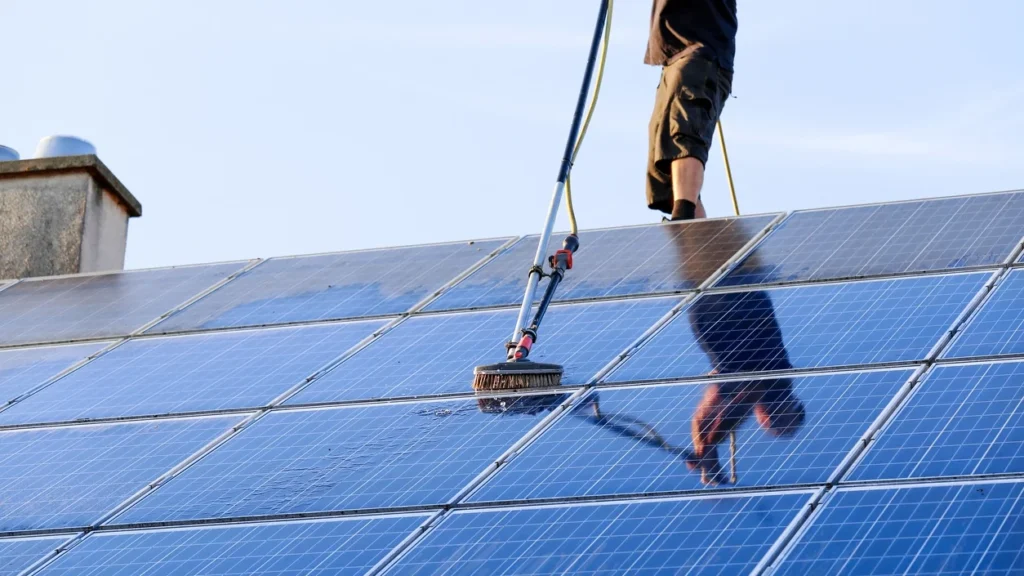
A sunny roof can do more than brighten a home—it can help produce useful electricity every day. For homeowners and businesses, solar panels offer a practical way to manage energy costs while reducing dependence on traditional power sources. However, getting the best results requires more than installation alone. Regular maintenance, including Professional solar panel cleaning, helps keep panels working efficiently and allows property owners to protect their investment for years.
Lower Monthly Electricity Costs
One of the biggest reasons people install solar panels is the opportunity to reduce electricity expenses. Once a solar system begins generating power, it can supply part of the electricity a property normally purchases from the utility company.
The amount saved depends on several factors, including system size, local electricity rates, sunlight exposure, household energy use, and available incentives. A well-designed system can still make a meaningful difference over its operating life.
How Solar Power Reduces Grid Dependence
Solar panels convert sunlight into electricity that can be used immediately. When the system produces more power than the property needs, some systems can send excess electricity back to the grid, depending on local utility rules and applicable programs.
This arrangement can make daytime electricity use more economical. Battery storage can also allow some property owners to save excess solar energy for later use.
Greater Energy Independence
Relying entirely on the electrical grid leaves property owners exposed to changing energy prices and, in some situations, power interruptions. Solar panels provide another source of electricity directly at the property.
Energy independence does not necessarily mean going completely off-grid. Instead, many homeowners use solar generation to reduce how much electricity they need to purchase from the grid.
Solar Energy for Long-Term Planning
Energy costs can change over time. Producing some electricity on-site gives homeowners greater control over a portion of their future energy needs.
This can be particularly useful for properties with predictable daytime electricity consumption, such as homes with home offices, businesses, and facilities that operate during daylight hours.
A Cleaner Source of Electricity
Solar power generates electricity without burning fuel during operation. As a result, using solar energy can help reduce reliance on electricity generated from fossil fuels.
The environmental benefit depends on factors such as the local electricity mix, system performance, equipment manufacturing, and the length of time the panels remain in service.
Reducing Household Environmental Impact
Replacing some grid electricity with solar-generated electricity can reduce the emissions associated with a property’s electricity consumption. Over many years, this can contribute to a lower operational carbon footprint.
For environmentally conscious property owners, solar panels can therefore support broader efforts to use cleaner energy without requiring major changes to daily routines.
Better Use of Available Roof Space
A roof is often an underused part of a property. Solar panels can turn suitable roof space into a small electricity-generating area without requiring additional land.
Before installation, professionals typically consider roof orientation, shading, structural condition, available space, and local regulations. These factors help determine whether a roof is appropriate for solar equipment.
Why Roof Condition Matters
Solar panels are designed for long-term use, so the roof beneath them should be in good condition before installation. Repairing serious roofing problems beforehand can prevent complications later.
Property owners should also consider how future maintenance will be handled. Accessible panels are generally easier to inspect and clean.
Potential Increase in Property Appeal
Energy-efficient features can make a property more attractive to some buyers. Solar panels may appeal to people who value lower energy consumption, renewable power, and long-term operating savings.
However, the effect on property value varies by location, system ownership structure, local market conditions, and other property characteristics. Solar should therefore be viewed as part of the property’s overall value rather than a guaranteed increase in selling price.
Lower Exposure to Rising Energy Prices
Utility electricity prices can change because of fuel costs, infrastructure expenses, regulations, and other market factors. Generating electricity on-site can reduce the amount of power a property must purchase.
The savings are not guaranteed and depend on the system’s performance and local electricity pricing. Still, solar can provide a useful degree of protection against future increases in conventional electricity costs.
Solar Panels Can Require Relatively Little Daily Attention
After a properly installed system is operating, solar panels generally do not require constant supervision. There are no fuel deliveries, and the system can generate electricity automatically whenever suitable sunlight is available.
However, low daily maintenance does not mean maintenance should be ignored. Dust, pollen, bird droppings, leaves, and other debris can accumulate on panel surfaces.
Why Clean Panels Matter
A dirty panel may receive less usable sunlight, potentially reducing energy production. The actual impact depends on the type and amount of debris, rainfall, panel angle, climate, and other conditions.
Regular solar panel cleaning can help remove surface buildup and keep panels in suitable operating condition. Cleaning schedules should be based on local environmental conditions rather than an arbitrary timetable.
Protecting Your Solar Investment
Solar panels represent a significant purchase, so protecting the equipment makes financial sense. Routine inspections can help identify visible damage, heavy debris, loose components, or other issues before they become more difficult to address.
Cleaning is one part of this maintenance process. Professional technicians can also help property owners determine whether panels are safely accessible and whether specialized equipment is needed.
When Professional Cleaning Makes Sense
Professional service may be useful when panels are difficult to reach, installed on steep roofs, heavily soiled, or located in an area with frequent dust, pollen, or bird activity.
A professional approach can also reduce the risks associated with climbing onto roofs or using unsuitable cleaning products.
Solar Maintenance Tasks at a Glance
Keeping a solar system in good condition does not have to be complicated. The following table highlights common maintenance considerations.
| Maintenance Task | Why It Matters | Typical Approach |
|---|---|---|
| Visual inspection | Identifies visible damage or debris | Periodic inspection |
| Panel cleaning | Removes dirt and surface buildup | As needed based on conditions |
| Monitoring energy output | Helps identify performance changes | Check system monitoring data |
| Inverter inspection | Supports reliable power conversion | Follow manufacturer guidance |
| Roof assessment | Protects the structure supporting panels | Inspect before and after major roofing work |
| Professional maintenance | Addresses difficult or unsafe tasks | Use qualified technicians when needed |
The exact maintenance schedule should follow the manufacturer’s recommendations and the property’s environmental conditions.
How to Get Better Results From Solar Panels
Installing a solar system is only the first step. Property owners can take several practical measures to support consistent performance.
Keep Nearby Shade Under Control
Trees can grow significantly after panels are installed. New shade from branches or surrounding structures can reduce the amount of sunlight reaching the panels.
Regularly checking for new shading can help property owners identify changes that may affect production. Tree trimming should be handled safely and according to local requirements.
Monitor Energy Production
Many modern solar systems provide monitoring information through an online portal or mobile application. Reviewing production data can help property owners notice unusual changes.
A sudden or persistent drop in output may have several causes, including weather, equipment problems, shading, or surface contamination. Monitoring does not replace professional inspection, but it can provide an early warning.
Use Appropriate Cleaning Methods
Solar panels should not be treated like ordinary glass surfaces. Harsh chemicals, abrasive materials, or aggressive cleaning techniques can potentially damage equipment or surfaces.
When cleaning is necessary, follow the manufacturer’s recommendations or use a qualified solar maintenance provider.
Solar Panels Can Support Long-Term Energy Goals
The value of solar energy goes beyond the first electricity bill after installation. A properly planned system can support long-term goals related to energy costs, renewable electricity, and property efficiency.
At the same time, homeowners should consider the full financial picture. Installation costs, financing, maintenance, incentives, electricity rates, system size, and expected energy production all influence the overall economics.
Consider Your Property Before Installing
Not every property is equally suitable for solar. Before making a purchase, consider:
- Roof age and condition
- Available roof area
- Sun exposure
- Shading from trees or buildings
- Local utility policies
- Expected electricity consumption
- Available incentives or tax benefits
- Installation and maintenance costs
Comparing these factors can help property owners make a more informed investment decision.
Why Maintenance Should Be Part of the Solar Plan
Solar panels are often expected to operate for decades. That makes long-term care an important part of ownership rather than an optional afterthought.
Simple maintenance can help keep panels clear of unnecessary buildup and provide opportunities to identify visible problems. In areas with heavy dust, frequent storms, pollen, or limited rainfall, cleaning may become particularly important.
A sensible maintenance plan combines visual checks, production monitoring, appropriate cleaning, and professional assistance when necessary.
Conclusion
Installing solar panels can help property owners reduce purchased electricity, use more renewable power, and gain greater control over part of their energy supply. The long-term value depends on factors such as system design, sunlight, electricity prices, installation costs, and ongoing performance. Just as importantly, solar equipment needs sensible care after installation. Keeping panels clean, monitoring output, and addressing maintenance issues promptly can help protect the investment. For many properties, solar is not simply an equipment upgrade—it is a long-term energy strategy that can provide practical financial and environmental benefits when planned and maintained properly.
FAQs
1. What is the main benefit of installing solar panels?
The main benefit is the ability to generate electricity from sunlight, which can reduce the amount of electricity a property needs to purchase from the utility grid.
2. Do solar panels need regular cleaning?
Solar panels can collect dust, pollen, leaves, bird droppings, and other debris. Cleaning may be useful when buildup is affecting the panels, particularly in dry or dusty locations.
3. Can dirty solar panels reduce electricity production?
Yes. Heavy surface contamination can reduce the amount of sunlight reaching photovoltaic cells. The effect varies depending on the type and amount of debris and local environmental conditions.
4. Is professional solar panel cleaning necessary?
It depends on the property. Professional cleaning can be especially helpful when panels are difficult to access, heavily soiled, or installed in locations where roof work creates safety concerns.
5. How long can solar panels provide electricity?
Solar panels are designed for long-term operation, often with warranties covering several decades of performance. Actual service life and output depend on equipment quality, environmental exposure, installation, and maintenance.