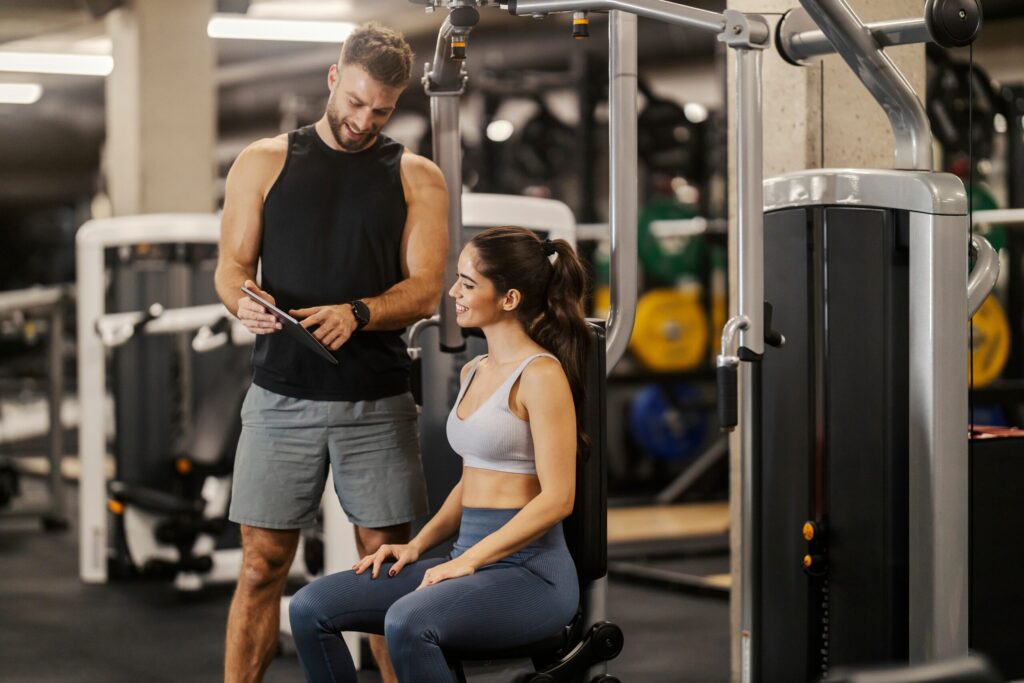
Choosing the right fitness professional can make the difference between following a workout routine and making lasting progress. Although the terms trainer and coach often appear interchangeable, they describe roles with different priorities, methods, and responsibilities. A Certified Fitness Trainer typically focuses on exercise technique, workout structure, and physical performance, while a coach may take a broader approach to habits, accountability, and long-term development. Understanding these distinctions can help you choose the right support for your needs.
What Does a Fitness Trainer Do?
A fitness trainer helps people exercise safely, improve physical fitness, and develop effective workout routines. Their work often centers on practical training sessions, exercise selection, movement technique, and measurable physical improvements.
For example, someone who wants to build muscle, increase strength, improve cardiovascular endurance, or learn proper lifting techniques may benefit from working with a trainer. The professional evaluates the individual’s current abilities and creates a suitable exercise plan.
The Main Responsibilities of a Trainer
A trainer generally concentrates on the physical side of fitness. Depending on their qualifications and the services they provide, their responsibilities may include:
- Assessing current fitness levels and exercise experience.
- Designing workouts that match individual goals and abilities.
- Demonstrating exercises and correcting movement techniques.
- Adjusting resistance, repetitions, sets, and rest periods.
- Monitoring progress and modifying workouts as fitness improves.
- Encouraging safe exercise habits and appropriate recovery.
A good trainer does more than count repetitions. They observe how your body responds to exercise, identify opportunities for improvement, and help you build confidence in the gym.
When a Trainer Is the Right Choice
A trainer can be particularly helpful when you have a specific physical objective. If you want to perform your first push-up, improve your squat technique, prepare for a recreational fitness challenge, or establish a consistent strength-training routine, structured exercise guidance can make the process easier.
Beginners may also appreciate having someone explain equipment, demonstrate movements, and help them avoid common training mistakes. More experienced exercisers can benefit from programming adjustments that address plateaus and support continued improvement.
What Does a Fitness Coach Do?
A fitness coach often takes a wider view of a person’s progress. Exercise remains important, but the coach may also focus on motivation, consistency, routines, decision-making, and the practical challenges that affect long-term results.
For instance, a person may understand which exercises to perform but struggle to fit workouts into a demanding work schedule. A coach can help identify obstacles, establish realistic commitments, and develop strategies that make regular exercise easier to maintain.
The Core Responsibilities of a Coach
Coaching commonly emphasizes behavior and sustainable progress. Depending on the professional’s training and scope of practice, responsibilities may include:
- Helping clients establish realistic, meaningful fitness goals.
- Identifying barriers that interfere with consistency.
- Creating accountability through regular check-ins.
- Reviewing progress and discussing setbacks.
- Helping clients build routines around work, family, and other commitments.
- Encouraging reflection and adjustments when circumstances change.
Coaching does not necessarily mean avoiding detailed exercise instruction. Some coaches have extensive practical training expertise, while others specialize more heavily in motivation and behavior change.
Why Coaching Can Support Long-Term Progress
Many fitness goals require months or years of consistent effort. Even an excellent workout plan may fail if it does not fit a person’s lifestyle.
A coach can help someone respond constructively when motivation declines, travel disrupts a routine, or progress slows. Instead of treating every setback as failure, the coach helps the individual identify what happened and choose a manageable next step.
This approach can be especially useful for people who repeatedly start and stop exercise programs or need support turning good intentions into lasting habits.
Fitness Trainer vs. Coach: The Key Differences
The clearest distinction is their primary emphasis: a trainer usually concentrates on exercise execution and physical development, while a coach often emphasizes the broader process of achieving and maintaining goals.
However, these roles overlap considerably. Many professionals combine technical instruction with accountability and behavior support. Their actual services, qualifications, and experience matter more than the title alone.
Comparing Their Roles and Approaches
| Area of Comparison | Fitness Trainer | Fitness Coach |
|---|---|---|
| Primary focus | Exercise technique and physical fitness | Goal achievement and sustainable habits |
| Typical approach | Demonstrations, workout plans, and movement feedback | Goal-setting, check-ins, and problem-solving |
| Common activities | Strength training, conditioning, and exercise instruction | Accountability, routine development, and progress reviews |
| Main measures of progress | Strength, endurance, technique, and workout performance | Consistency, goal completion, and long-term adherence |
| Best suited for | People seeking structured exercise guidance | People seeking support with motivation and consistency |
| Possible overlap | May provide accountability and habit support | May design workouts and teach exercise technique |
These differences describe common tendencies rather than strict rules. A trainer may offer excellent accountability, and a coach may provide detailed workout programming. Always ask what a particular professional includes in their service.
Which Professional Matches Your Fitness Goals?
The best choice depends on what currently prevents you from making progress. Before hiring anyone, identify whether you primarily need exercise instruction, support with consistency, or a combination of both.
Choose a Trainer for Technical Guidance
If you are unfamiliar with resistance machines, uncertain about exercise form, or working toward a strength or endurance target, a trainer may be the most practical starting point.
Consider someone who wants to begin lifting weights but feels uncomfortable performing unfamiliar movements. A trainer can demonstrate each exercise, recommend appropriate starting resistance, and explain how to progress gradually.
Look for a professional who asks about your exercise history, adapts sessions to your ability, and prioritizes safe, controlled movement rather than pushing you to do more than you can manage.
Choose a Coach for Consistency and Accountability
If you already know how to exercise but struggle to follow a routine, coaching may address the problem more directly.
Imagine that you regularly miss workouts because your schedule changes every week. A coach might help you develop shorter backup sessions, plan realistic training days, and review what makes your routine difficult to maintain.
This support can help you create a more flexible approach instead of abandoning your goals whenever life becomes unpredictable.
Consider a Professional Who Offers Both Services
You do not always need to choose between training and coaching. Many professionals combine workout design, movement instruction, goal-setting, and accountability.
This blended approach may suit someone who wants to lose excess body fat, improve strength, and establish healthier exercise habits. The trainer can structure workouts while also helping the client stay consistent and review progress.
Before committing, clarify how much time the professional spends on exercise sessions, progress reviews, and between-session support.
How an Online Fitness Trainer Can Help
Remote fitness services can provide access to structured guidance without requiring every session to take place in a gym. An online fitness trainer may deliver personalized workout plans, demonstrate exercises through video, review recorded movements, and arrange regular progress check-ins.
The quality of the experience depends on the professional’s qualifications, communication, and ability to adapt recommendations to your circumstances.
Benefits of Online Training
Online training can be useful for people with limited gym access, busy schedules, or a preference for exercising at home. Depending on the service, clients may receive customized routines, exercise demonstrations, training calendars, and feedback on completed sessions.
It can also make it easier to maintain continuity while traveling or moving between different workout environments. However, remote instruction requires clear communication, and some movements may be harder to assess through video than in person.
Questions to Ask Before Signing Up
Before choosing an online professional, ask how they assess your current abilities, how often they update your plan, and whether they provide individual feedback.
You should also understand the communication schedule, cancellation terms, service costs, and limits of the program. If you have an injury, persistent pain, or a medical condition that affects exercise, discuss appropriate guidance with a qualified healthcare professional before beginning or changing your routine.
What Qualifications Should You Look For?
Job titles alone do not guarantee professional competence. In the United States, fitness professionals may hold credentials from recognized certification organizations, but the appropriate qualifications depend on the services they provide.
For exercise instruction, look for a relevant certification, current continuing education, and training in areas such as exercise technique, program design, and client safety. Examples of established organizations include the American College of Sports Medicine (ACSM), the National Academy of Sports Medicine (NASM), and the American Council on Exercise (ACE).
Evaluate Experience and Professional Boundaries
Ask whether the professional has worked with clients who share your goals, experience level, or practical limitations. Someone experienced in beginner strength training may be a better fit for you than a professional whose main focus is advanced athletic performance.
Also, understand the limits of their role. Fitness professionals can provide exercise guidance and general wellness support within their qualifications, but they should not diagnose injuries, prescribe medication, or replace licensed healthcare providers.
If nutrition guidance is part of the service, ask about the professional’s qualifications and the scope of advice they are permitted to provide.
How to Choose the Right Fitness Professional
Making a good decision starts with identifying your needs and evaluating how a professional works. Rather than selecting someone solely because of an impressive title or social media following, focus on the quality and suitability of their service.
Start by writing down one or two measurable goals. For example, you might want to complete three workouts each week, improve your lifting technique, or build the endurance needed for regular recreational cycling.
Next, discuss your goals with potential professionals and ask how they would approach your situation. Their answers should be specific enough to explain the process without promising unrealistic results.
Pay attention to whether they listen, explain their reasoning, respect your limitations, and adjust their recommendations when circumstances change. A strong professional relationship should make you feel supported and informed, not pressured or embarrassed.
Finally, compare the overall service rather than the price alone. Consider the level of individual attention, communication, scheduling flexibility, qualifications, and progress monitoring included in the fee.
Conclusion
Understanding the difference between a fitness trainer and a coach helps you invest in the type of support that fits your goals. A trainer is often the better choice when you need exercise instruction, structured workouts, and improvements in physical performance. A coach may be more valuable when consistency, motivation, and long-term habits present the biggest challenges. Because many professionals combine both approaches, evaluate their qualifications, experience, and actual services before deciding. Choose someone who listens to your needs, sets realistic expectations, and helps you make steady progress. With the right support, fitness can become a sustainable part of your everyday life.
Frequently Asked Questions
1. Is a fitness trainer the same as a fitness coach?
Not always. A trainer typically focuses on exercise instruction and physical performance, while a coach often emphasizes goal-setting, accountability, and consistent habits. However, many professionals provide both services.
2. Do I need a trainer if I am a beginner?
A trainer can be especially helpful when you are learning proper exercise technique, selecting appropriate resistance, and building a manageable routine. Their guidance can help you develop confidence and exercise safely.
3. Can a fitness coach create workout plans?
Yes, if workout programming falls within their qualifications and services. Some coaches design detailed exercise plans, while others focus more on accountability and behavior change. Confirm what is included before hiring one.
4. Is an online fitness trainer effective?
An online trainer can provide personalized workout programming, demonstrations, and progress feedback. Results depend on the quality of the guidance, the suitability of the plan, and your consistency with the program.
5. How do I know which professional is right for me?
Choose a trainer if you primarily need help with exercise technique or workout structure. Consider a coach if motivation and consistency are your main challenges. If you need both, look for a qualified professional who combines training and coaching.