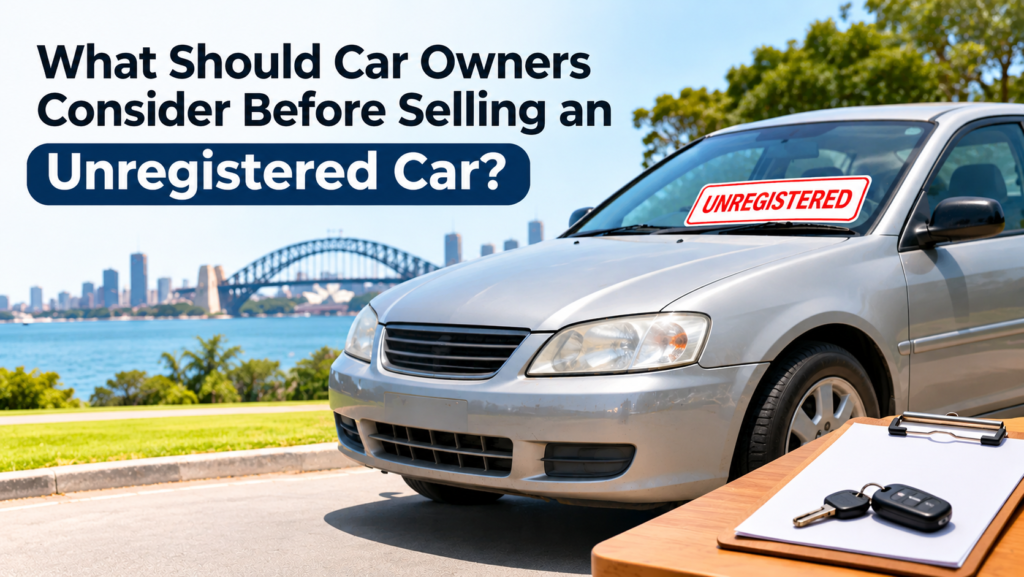
Selling an unregistered car can seem complicated, especially when the vehicle has been sitting unused for months or requires expensive repairs. Many car owners assume they must renew the registration before finding a buyer. However, an unregistered vehicle can still have considerable value, depending on its condition, age, mechanical components, and market demand.
Whether your registration recently expired or your vehicle has been off the road for years, understanding the selling process can help you avoid unnecessary expenses and legal complications. Before accepting an offer, it is important to evaluate the vehicle, understand local regulations, and choose a suitable selling method.
Understand Why the Vehicle Is Unregistered
The first consideration is identifying why the vehicle no longer has valid registration. Some cars become unregistered simply because their owners forget to renew their registration or decide they no longer need them. Others lose registration because of mechanical problems, accident damage, or extended periods of inactivity.
The reason can influence the vehicle’s resale value and the type of buyer interested in purchasing it. A mechanically sound car with recently expired registration may attract private buyers, while a severely damaged vehicle may be more suitable for recycling.
Owners exploring Damaged car removal Sydney services should assess whether the vehicle is worth repairing or selling in its current condition. Understanding the reason for its unregistered status helps determine a realistic asking price and prevents unnecessary spending.
Check the Legal Requirements Before Selling
Selling an unregistered vehicle is generally permitted in New South Wales, but owners must understand their responsibilities before completing the transaction.
An unregistered vehicle cannot legally be driven on public roads without appropriate authorisation, such as an applicable unregistered vehicle permit. This means sellers should avoid allowing potential buyers to take the vehicle for an ordinary road test.
Documentation requirements also depend on whether the registration has expired, been cancelled, or remains recorded under the previous owner.
For NSW registered vehicles, sellers generally need to submit a notice of disposal within 14 days. However, different requirements apply when registration has already been cancelled or a vehicle is sold to a wrecker. Owners should confirm the appropriate procedure with Service NSW before finalising the sale.
Determine the Actual Market Value
An unregistered car does not automatically become worthless. Its value depends on several factors, including its make, model, manufacturing year, mileage, mechanical condition, and demand for replacement parts.
Start by researching similar vehicles advertised in your area. Compare registered and unregistered examples to understand how registration status affects asking prices.
If the car has mechanical problems, obtain an approximate repair estimate. A vehicle requiring minor repairs may still attract private buyers willing to restore it.
However, if repair costs exceed the vehicle’s potential resale value, selling it for parts or recycling may be more practical.
Avoid setting an unrealistic price based on emotional attachment or the amount originally paid. Buyers generally focus on the vehicle’s present condition and potential future expenses.
Decide Whether Repairs Are Worth the Investment
Before spending money on repairs, consider whether the investment will increase the final selling price enough to justify the expense.
Minor improvements, such as replacing a battery, cleaning the interior, or repairing inexpensive components, may make a vehicle more appealing.
Major mechanical repairs are different. Engine replacement, transmission repairs, extensive electrical work, and structural restoration can become expensive.
For example, spending several thousand dollars repairing an older vehicle may not be worthwhile if its market value remains relatively low.
Owners should compare the expected selling price after repairs with the amount they could receive by selling the vehicle as it stands.
The most financially sensible decision is not always to restore the car. Sometimes avoiding further expenses provides a better overall outcome.
Gather Important Ownership Documents
Having the correct paperwork available makes selling an unregistered car easier and helps establish trust with potential buyers.
Useful documents include proof of ownership or entitlement to sell, previous registration details, identification, service records, and maintenance receipts.
The vehicle identification number should also match the available documentation. Any discrepancies should be investigated before advertising the car.
If the vehicle has outstanding finance, owners should contact their lender and arrange settlement before completing the sale.
A written receipt should record the vehicle details, purchase amount, transaction date, and information about both parties.
Choose the Most Suitable Selling Method
There are several ways to sell an unregistered car, and each option offers different advantages.
Private selling may generate a higher price when the vehicle is mechanically sound or suitable for restoration. However, finding interested buyers can take time, particularly when the car cannot legally be driven.
Selling to a dealership may be convenient, although some dealers are reluctant to purchase older or heavily damaged vehicles.
Automotive recyclers and car wreckers are another option, especially when a vehicle is no longer economical to repair. These businesses may purchase vehicles for reusable components, scrap metal, or recycling.
Consider the time involved, likely selling price, transportation requirements, and any additional charges before choosing a buyer.
Arrange Safe Transportation for the Vehicle
Transportation is an important consideration because unregistered vehicles generally cannot be driven on public roads.
If the buyer wants to inspect the vehicle at another location, suitable transport arrangements may be necessary.
Professional towing services or vehicle transport operators can move an unregistered car without requiring it to be driven.
Before agreeing to a sale, clarify who will arrange transportation and whether collection charges are included in the agreed price.
Vehicle accessibility also matters. Cars parked in underground garages, narrow driveways, or difficult locations may require specialised recovery equipment.
Discussing these details beforehand helps prevent unexpected expenses or collection delays.
Be Honest About the Vehicle’s Condition
Transparency is essential when selling any used vehicle, particularly one without current registration.
Provide accurate information about known mechanical faults, accident history, missing components, and previous repairs.
If the engine does not start, the transmission is damaged, or the vehicle has significant corrosion, explain these issues clearly.
Photographs should accurately represent the car’s exterior, interior, engine compartment, and visible damage.
Misleading descriptions can create disputes and waste time for everyone involved.
Being upfront about the condition also helps attract buyers who understand the work required and are genuinely interested in purchasing the vehicle.
Compare Collection Services and Final Offers
When a vehicle is no longer suitable for everyday driving, professional collection services may offer a convenient alternative to private selling.
Companies providing Broken cars collection Sydney services may purchase vehicles with mechanical failures, accident damage, or expired registration. However, their purchasing criteria, collection areas, and payment arrangements can differ.
Before accepting an offer, confirm whether towing is included, how the final valuation is calculated, and when payment will be made.
It is also sensible to compare multiple offers rather than accepting the first available price.
Choose a buyer who provides clear transaction details, communicates professionally, and explains the collection process.
Complete the Sale and Protect Your Personal Information
Before handing over the keys, remove personal belongings, parking permits, toll tags, and any documents containing private information.
Delete saved addresses, contact details, and connected mobile devices from the vehicle’s infotainment system where possible.
Confirm that payment has been received before signing over the vehicle or releasing it to the buyer.
Keep a signed receipt and follow the relevant NSW disposal or registration cancellation requirements. If number plates must be surrendered, arrange their return through Service NSW.
These final precautions help prevent future complications and provide evidence that the vehicle has been sold.
Conclusion
Selling an unregistered car requires careful consideration of its condition, market value, legal status, and transportation needs. Understanding these factors allows owners to make informed decisions without spending unnecessarily on repairs or registration.
Whether the vehicle is suitable for private resale, restoration, or recycling, comparing available options and preparing the correct documentation can make the transaction easier.
By choosing a reliable buyer, communicating honestly, and completing the required paperwork, car owners can sell an unregistered vehicle safely while protecting their financial interests.