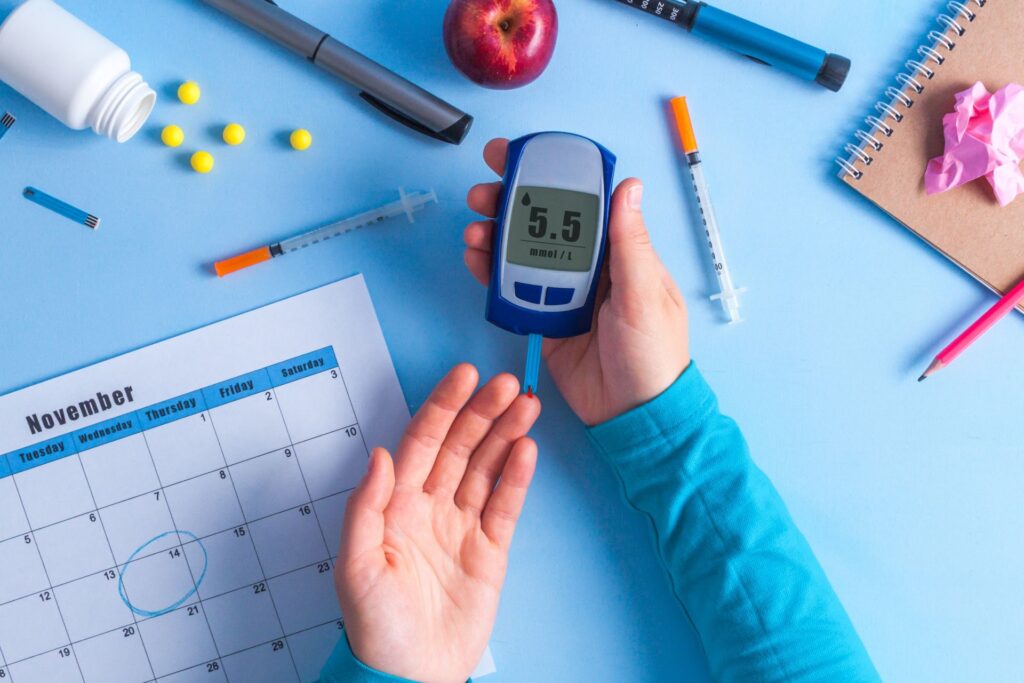
Managing diabetes requires consistent care, informed decisions, and a treatment plan that fits individual health needs. Millions of people successfully control their condition through a combination of medical support, healthy habits, and regular monitoring. A Diabetes Education Program Online can provide valuable guidance by teaching essential skills for managing blood sugar, nutrition, medications, and daily routines. Understanding available treatments helps people take better steps toward a healthier and more balanced life.
Understanding Diabetes Management And Treatment Options
Diabetes management focuses on keeping blood glucose levels within a healthy range while reducing the risk of complications. The right approach depends on the type of diabetes, overall health, lifestyle, and personal goals. Healthcare providers usually create customized treatment plans that combine different methods for better results.
Treatment is not limited to one solution. Many people need a combination of medication, dietary adjustments, physical activity, and ongoing education. Regular communication with healthcare professionals also helps patients make necessary changes as their condition develops.
A strong understanding of diabetes gives individuals more confidence in making daily choices. Learning about treatment options allows people to recognize warning signs, follow recommendations, and maintain better control over their health.
Lifestyle Changes That Support Better Diabetes Control
Healthy Eating Habits Improve Blood Sugar Management
Nutrition plays a major role in diabetes care. Choosing balanced meals helps prevent sudden increases or drops in blood sugar levels. A diabetes-friendly eating plan usually includes vegetables, lean proteins, whole grains, healthy fats, and controlled portions of carbohydrates.
Meal planning can make daily decisions easier. Simple strategies include preparing meals ahead of time, reading food labels, and limiting highly processed foods that contain added sugars.
Helpful eating habits include:
- Including fiber-rich foods to support steady blood sugar levels
- Eating regular meals to maintain consistency
- Choosing water instead of sugary beverages
- Monitoring portion sizes during meals
- Balancing carbohydrates with protein and healthy fats
A registered dietitian or diabetes educator can provide personalized recommendations based on medical needs, lifestyle preferences, and treatment goals.
Physical Activity Helps Improve Insulin Use
Regular exercise supports diabetes management by helping the body use insulin more effectively. Activities such as walking, swimming, cycling, and strength training can contribute to improved blood glucose control.
People should choose activities they enjoy because consistency matters more than intensity. Starting with small steps, such as daily walks, can create long-term healthy habits.
Before beginning a new exercise routine, individuals should discuss their plans with a healthcare provider. This is especially important for people who take insulin or medications that may affect blood sugar levels during physical activity.
Medications Used For Diabetes Treatment
Oral Medications Help Control Blood Glucose Levels
Many people with Type 2 diabetes use oral medications to support blood sugar management. These medicines work in different ways, including improving insulin sensitivity, reducing glucose production, or helping the body release insulin more effectively.
Common medication plans vary from person to person. A healthcare provider considers factors such as blood sugar levels, kidney function, heart health, and other medical conditions before recommending treatment.
Taking medications as prescribed is important. Missing doses or changing medication without medical advice can make diabetes harder to manage.
Insulin Therapy Helps Replace Missing Insulin
People with Type 1 diabetes require insulin because their bodies do not produce enough insulin naturally. Some individuals with Type 2 diabetes may also need insulin if other treatments do not provide sufficient control.
Insulin therapy can involve different types of insulin, including rapid-acting, short-acting, intermediate-acting, and long-acting options. Doctors determine the appropriate type and dosage based on each person’s needs.
Proper insulin use includes learning how to store insulin, administer injections, monitor blood glucose, and recognize signs of low blood sugar. Diabetes education helps individuals develop these important skills.
Blood Sugar Monitoring And Technology Options
Regular Monitoring Supports Better Treatment Decisions
Checking blood glucose levels helps people understand how food, activity, stress, and medications affect their bodies. Monitoring results allow patients and healthcare providers to make informed adjustments to treatment plans.
Some people check blood sugar with traditional glucose meters, while others use continuous glucose monitoring systems. These devices provide regular information about glucose patterns and may help identify trends that are difficult to notice otherwise.
Keeping records of blood sugar readings, meals, physical activity, and medications can also help during medical appointments. This information gives healthcare professionals a clearer picture of treatment progress.
Diabetes Technology Makes Daily Care Easier
Modern diabetes tools can simplify many parts of diabetes management. Devices such as continuous glucose monitors, insulin pumps, and smartphone-connected health applications help people track important health information.
Technology does not replace medical advice, but it can support better decision-making. Learning how to use these tools correctly is an important part of effective diabetes care.
The Importance Of Diabetes Education And Support
Education Helps People Build Confidence
Diabetes education provides practical knowledge that helps individuals manage their condition successfully. A structured Diabetes Education Program teaches important topics such as nutrition, medication use, monitoring techniques, and lifestyle adjustments.
Many people benefit from a Diabetes Education Program because it provides clear information and personalized guidance. Education also helps reduce confusion about treatment choices and encourages healthier daily habits.
Learning from qualified diabetes educators allows patients to develop skills they can use throughout their lives. This support is especially helpful after diagnosis or during major changes in treatment.
Emotional Support Improves Long-Term Management
Living with diabetes can sometimes feel challenging. Stress, frustration, and concerns about health may affect daily management. Emotional support from family, healthcare providers, and support groups can make treatment easier to maintain.
Managing diabetes successfully involves both physical and emotional care. Building a reliable support system helps individuals stay motivated and continue following healthy routines.
Preventing Diabetes Complications Through Consistent Care
Regular Health Checkups Protect Overall Wellness
Diabetes can affect different parts of the body if blood sugar remains uncontrolled for long periods. Regular medical visits help identify potential problems early and allow timely treatment.
Healthcare providers may recommend routine screenings for eye health, kidney function, nerve health, blood pressure, and cholesterol levels. These checks are important parts of comprehensive diabetes care.
Preventive care combined with daily management habits can significantly reduce health risks. Staying consistent with appointments and treatment recommendations supports better outcomes.
Daily Actions Make A Long-Term Difference
Small, consistent choices can have a meaningful impact on diabetes management. Taking medications correctly, maintaining healthy eating habits, staying active, and monitoring blood sugar all contribute to better health.
People should focus on progress rather than perfection. Diabetes management is an ongoing process that improves with knowledge, planning, and regular support.
Conclusion
Diabetes management involves more than controlling blood sugar numbers. It requires a balanced approach that includes healthy lifestyle choices, appropriate medications, regular monitoring, and continued education. Each person’s treatment plan should match their unique health needs and daily routine. With the right support and knowledge, individuals can manage diabetes more confidently and reduce the risk of complications. Access to reliable resources, including professional education programs, helps people develop the skills needed for long-term success and improved quality of life.