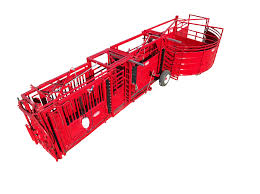
Every livestock farm depends on reliable feeding equipment to keep animals healthy and maintain efficient daily operations. Feeding livestock on time and with the correct amount of feed is one of the most important responsibilities on any farm. As farms continue to grow, many farmers look for equipment that can simplify feeding while saving time and reducing labor. A silage feeder trailer is one of the most valuable tools for achieving these goals.
A silage feeder trailer is designed to transport and distribute silage efficiently across feeding areas. Instead of relying on manual methods, farmers can use this equipment to deliver feed quickly and evenly to livestock. This helps improve feeding consistency, reduce waste, and make daily work much easier.
Although purchasing new equipment is an important investment, choosing the right time to buy can make a significant difference. Buying when your farm is prepared, your equipment needs have increased, or before busy feeding seasons begin can help improve productivity and avoid unnecessary delays.
In this article, we will discuss when the best time is to buy a silage feeder trailer, what factors to consider before making a purchase, and how the right equipment can benefit your farming operation for many years.
When Should You Buy a Silage Feeder Trailer?
Choosing the right time to purchase a silage feeder trailer helps farmers improve efficiency while preparing their operations for future success.
When Your Current Feeding Equipment Is No Longer Efficient
Old or worn equipment often creates daily challenges.
A silage feeder trailer becomes a smart investment when existing equipment begins to:
- Break down frequently
- Require expensive repairs
- Slow feeding operations
- Increase labor requirements
Replacing outdated equipment before it completely fails helps prevent unexpected interruptions.
Before the Busy Feeding Season
Planning ahead is always beneficial in agriculture.
Purchasing a silage feeder trailer before the busiest feeding periods allows farmers to:
- Become familiar with the equipment
- Complete any necessary adjustments
- Train operators
- Prepare feeding schedules
Being ready before peak workload begins improves overall farm efficiency.
When Livestock Numbers Increase
As herds grow, feeding becomes more demanding.
A silage feeder trailer helps manage larger livestock groups by allowing more feed to be transported and distributed during each feeding trip.
Growing farms often benefit from upgrading equipment before feeding demands become difficult to manage.
When Manual Feeding Takes Too Much Time
Hand feeding can require many hours each day.
A silage feeder trailer helps reduce feeding time by allowing farmers to move larger quantities of feed efficiently.
Time saved during feeding can be used for:
- Animal care
- Equipment maintenance
- Field work
- Farm planning
This improves daily productivity.
When Labor Costs Continue Rising
Finding enough workers can become challenging.
A silage feeder trailer helps reduce dependence on manual labor because one operator can complete feeding tasks much more efficiently.
Lower labor requirements may reduce long-term operating costs.
When Feed Waste Becomes a Problem
Feed represents one of the largest expenses on livestock farms.
A silage feeder trailer helps improve feed distribution, reducing unnecessary waste and making better use of valuable feed supplies.
Efficient feeding supports healthier animals while lowering costs.
When Expanding Farm Operations
Farm expansion often requires better equipment.
A silage feeder trailer provides the capacity needed to support larger operations without greatly increasing daily workloads.
Planning equipment purchases before expansion helps farms grow more smoothly.
During Long-Term Farm Planning
Successful farmers often plan equipment purchases well in advance.
A silage feeder trailer fits into long-term planning by improving feeding efficiency for many future seasons.
Preparing early helps avoid emergency purchases later.
Why Investing in a Silage Feeder Trailer Supports Long Term Farm Success
A silage feeder trailer provides practical advantages that improve feeding efficiency, livestock management, and overall farm productivity.
Improving Feeding Consistency
Animals perform best when feeding is consistent.
A silage feeder trailer helps distribute feed evenly across feeding areas, allowing livestock better access to nutrition.
Consistent feeding contributes to healthier herd management.
Saving Valuable Time Every Day
Time savings quickly add up over an entire farming season.
A silage feeder trailer allows farmers to:
- Transport larger feed loads
- Reduce repeated trips
- Complete feeding faster
- Improve daily scheduling
These improvements increase farm efficiency.
Reducing Physical Labor
Daily feeding can be physically demanding.
A silage feeder trailer reduces heavy lifting and manual feed handling, making work safer and more comfortable for farm workers.
Lower physical strain also helps improve productivity.
Supporting Better Feed Management
Careful feed management helps control costs.
A silage feeder trailer allows farmers to monitor:
Feed Distribution
Feed is delivered more evenly.
Feed Usage
Farmers can better measure daily feed requirements.
Feeding Efficiency
Less feed is wasted during distribution.
Better management supports long-term profitability.
Increasing Equipment Reliability
Reliable feeding equipment reduces daily stress.
A quality silage feeder trailer provides dependable performance during busy feeding seasons when consistent operation is most important.
Reliable equipment helps farms stay on schedule.
Improving Farm Organization
Well-organized farms operate more efficiently.
A silage feeder trailer supports better planning by allowing farmers to establish regular feeding routes and consistent daily routines.
Organization improves overall farm management.
Supporting Different Livestock Operations
Many livestock farms have unique feeding requirements.
A silage feeder trailer can support:
- Beef cattle farms
- Dairy farms
- Mixed livestock operations
- Ranches
- Commercial feeding operations
Its versatility makes it valuable across many agricultural businesses.
Lowering Long-Term Operating Costs
Although purchasing equipment requires an initial investment, long-term savings often outweigh the cost.
A silage feeder trailer helps reduce expenses by:
- Lowering labor costs
- Reducing feed waste
- Improving efficiency
- Reducing equipment downtime
These savings support long-term farm profitability.
Choosing the Right Silage Feeder Trailer
Before purchasing equipment, farmers should evaluate their operational needs.
Important considerations include:
- Trailer capacity
- Number of livestock
- Farm size
- Ease of operation
- Durability
- Maintenance requirements
- Feed distribution system
Selecting equipment that matches farm requirements provides better long-term value.
Maintaining Your Silage Feeder Trailer
Regular maintenance keeps equipment operating efficiently.
Farmers should:
- Clean the trailer after use
- Inspect moving parts
- Check tires regularly
- Lubricate mechanical components
- Tighten loose hardware
- Replace worn parts promptly
Routine maintenance extends equipment life while reducing repair costs.
Preparing for Future Farm Growth
Modern agriculture continues changing.
A silage feeder trailer helps farms prepare for future growth by providing reliable feeding equipment capable of supporting increasing livestock numbers and expanding operations.
Planning ahead strengthens long-term success.
Why Buying at the Right Time Matters
Waiting too long to replace outdated feeding equipment may lead to unnecessary delays, higher repair costs, and reduced productivity.
Purchasing a silage feeder trailer before major problems develop allows farmers to maintain efficient feeding operations without interruption.
Proper timing helps maximize the value of the investment.
Conclusion
A silage feeder trailer is an important investment for livestock farms that want to improve feeding efficiency, reduce labor, and manage feed more effectively. Choosing the right time to purchase this equipment can help farmers prepare for busy feeding seasons, support expanding livestock operations, and avoid costly equipment failures.