olive-oil
Introduction: The Secret Behind Restaurant-Quality Flavor
Have you ever wondered why restaurant dishes taste so much better than the same recipes made at home? One of the professional chef’s best-kept secrets is the art of finishing a dish. That final drizzle of oil you see glistening on your pasta or salad isn’t just for looks. It’s a carefully chosen touch that can transform a good dish into an extraordinary one. Among all the finishing oils available, extra virgin olive oil stands as the undisputed favorite in professional kitchens around the world. Understanding why chefs reach for this golden elixir can help you bring restaurant-quality results to your own cooking.
What Makes Extra Virgin Olive Oil Special
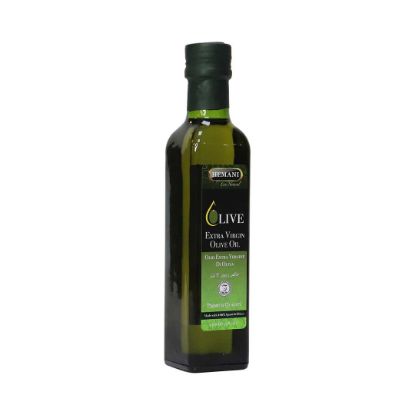
Extra virgin olive oil is the highest quality olive oil you can buy, and there’s a reason it commands premium prices. Unlike regular olive oil, which goes through refining and processing, extra virgin olive oil is made by simply pressing fresh olives without any heat or chemicals. This cold-pressing method preserves all the natural flavors, aromas, and nutrients that make the oil so valuable. To earn the “extra virgin” label, the oil must meet strict standards, including having an acidity level below 0.8 percent and passing rigorous taste tests. The result is an oil with complex flavors ranging from fruity and grassy to peppery and buttery, with colors that can vary from deep green to golden yellow depending on the olive variety and harvest time.
Understanding the Art of Finishing
In culinary terms, finishing means adding final touches to a dish just before serving. This is completely different from cooking with oil. When you cook with oil, you’re using it as a medium to transfer heat and prevent sticking. The oil gets hot, and many of its delicate flavors burn off or change. Finishing, on the other hand, means drizzling oil over a dish after it’s been removed from heat. This preserves all those beautiful, complex flavors that would otherwise be lost. Think of it like adding fresh herbs at the end of cooking rather than at the beginning. The impact is immediate, vibrant, and noticeable.
The Flavor Advantage That Sets EVOO Apart
The primary reason chefs love extra virgin olive oil for finishing is its incredible flavor profile. A quality extra virgin olive oil brings layers of taste that can include fruity notes reminiscent of fresh olives, grassy undertones, hints of nuts or herbs, and a pleasant peppery finish that creates a slight tickle in your throat. This complexity doesn’t overpower the dish but rather enhances and highlights the existing flavors. When you drizzle it over a simple tomato salad, it makes the tomatoes taste more like tomatoes. On grilled fish, it adds richness without heaviness. Different varieties and regions produce oils with distinct characteristics, giving chefs a palette of flavors to choose from depending on the dish they’re creating.
Preserving What Heat Destroys
One crucial reason professional chefs save their best extra virgin olive oil for finishing rather than using extra virgin olive oil for cooking is all about preservation. When you heat olive oil to high temperatures, you destroy many of the delicate compounds that make it special. The polyphenols and antioxidants that contribute to both flavor and health benefits break down under heat. The fresh, vibrant taste that characterizes quality extra virgin olive oil simply disappears. Additionally, extra virgin olive oil has a relatively low smoke point compared to refined oils, making it less suitable for high-heat cooking anyway. By using it as a finishing oil, you get to experience all those subtle flavors and beneficial compounds exactly as nature intended.
Creating Texture and Visual Appeal
Beyond flavor, extra virgin olive oil adds a luxurious texture and beautiful presentation to finished dishes. When drizzled over pasta, vegetables, or proteins, it creates a silky coating that enhances the eating experience. The oil carries other flavors in the dish and helps them coat your palate more effectively, making each bite more satisfying. Visually, a good extra virgin olive oil gives dishes that professional glossy sheen that makes food look as good as it tastes. This is why you’ll see chefs carefully drizzle oil in artistic patterns on plated dishes. It’s not just about taste; it’s about creating a complete sensory experience.
Versatility Across Every Type of Cuisine
While extra virgin olive oil has its roots in Mediterranean cooking, professional chefs use it to finish dishes from virtually every cuisine. Italian chefs drizzle it over pasta, risotto, and bruschetta. It’s essential for Greek salads and Spanish tapas. But you’ll also find it finishing French soups, adding depth to Middle Eastern hummus, and even appearing in some modern desserts where its fruity notes complement chocolate or citrus. A simple bowl of soup becomes restaurant-worthy with a swirl of quality olive oil on top. Grilled vegetables transform from ordinary to exceptional. Even a piece of crusty bread becomes a delicacy when served with good extra virgin olive oil for dipping.
Professional Techniques You Can Master
Chefs have developed specific techniques for finishing with extra virgin olive oil that anyone can learn. The key is in the drizzle. Rather than pouring oil directly from the bottle, many chefs pour a small amount into a small container first, then use a spoon to drizzle it in thin streams over the dish. This gives better control and more even distribution. Temperature matters too. If a dish is too hot, the oil will start to cook and lose its fresh character. Waiting just a minute or two after removing food from heat ensures the oil stays vibrant. Many chefs also use the technique of layering, cooking with one type of oil and finishing with premium extra virgin olive oil to get the best of both worlds.
Smart Economics in the Kitchen
From a practical standpoint, using extra virgin olive oil specifically for finishing is economically smart, even in professional kitchens where costs matter. Because you’re using just a small drizzle rather than cups of oil for cooking, a bottle of premium extra virgin olive oil lasts much longer. Chefs can invest in truly exceptional oils knowing that a little goes a long way. They’ll use less expensive oils for general cooking tasks where heat would destroy delicate flavors anyway, then save the good stuff for where it makes the biggest impact. This approach allows even home cooks to experience restaurant-quality results without breaking the bank.
Avoiding Common Finishing Mistakes
Even with quality oil, there are mistakes that can diminish the results. Using old or rancid olive oil is the biggest error. Olive oil doesn’t improve with age like wine. It should be used within a year of harvest and stored in a cool, dark place away from heat and light. Adding too much oil can make a dish greasy, while too little won’t provide the desired effect. The dish’s temperature matters greatly, as mentioned earlier. Hot food will cook the oil and change its character. Finally, not tasting and adjusting is a missed opportunity. A dish might need just a few more drops to reach perfection.
Bringing Professional Techniques Home
The beautiful thing about finishing with organic cow milk and extra virgin olive oil is that it’s one of the easiest professional techniques to adopt at home. You don’t need special equipment or years of training. Start with a quality bottle of extra virgin olive oil. Look for harvest dates on the label and choose oils that are recent. Taste it on its own with a piece of bread to understand its flavor profile. Then start experimenting. Finish your next pasta dish, soup, or salad with a drizzle and notice the difference. Try it on roasted vegetables, grilled chicken, or even vanilla ice cream. As you develop your palate, you might want to keep different varieties on hand for different purposes, just like professional chefs do.
Conclusion: The Power of the Final Touch
The reason chefs prefer extra virgin olive oil for finishing dishes comes down to a perfect combination of flavor, nutrition, texture, and practicality. That final drizzle represents the difference between cooking and crafting, between feeding and delighting. It’s a simple technique that delivers remarkable results, transforming everyday ingredients into something special. Whether you’re plating an elegant dinner or dressing a simple salad, understanding when and how to use extra virgin olive oil as a finishing touch puts a powerful tool in your culinary arsenal. The next time you taste an exceptionally delicious dish, pay attention to that glossy sheen and rich flavor in the final bite. Chances are, you’re experiencing the magic of a well-chosen finishing oil, applied with care and intention by someone who understands that great cooking is all in the details.