The price of a plastic extrusion machine can vary considerably depending on its specifications, condition, production capabilities, and intended application. Two machines that look similar may have very different price points because of differences in their components, configuration, and operating history.
For manufacturers planning to invest in extrusion equipment, understanding these pricing factors can make the purchasing process easier. It also helps buyers compare machinery based on its actual value rather than choosing an option simply because it has a lower asking price.
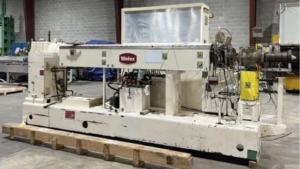
Businesses exploring Used Plastic Extrusion Machines should pay particular attention to the following factors before making a purchasing decision.
1. Machine Type and Application
The intended application has a direct impact on machine pricing. Pipe, sheet, film, and profile extrusion machines are designed with different configurations and components.
Some machines may also include specialized dies, cooling systems, and downstream equipment. These additional components can influence the overall price.
2. Machine Size and Production Capacity
Larger machines with higher production capacities generally require more powerful motors, larger barrels, and additional processing components.
Screw diameter, motor horsepower, and maximum output capacity are some of the specifications buyers should compare.
A machine designed for high-volume industrial production may cost more than equipment intended for smaller manufacturing operations.
3. Age and Overall Condition
The age of a machine can influence its market value, but condition is equally important.
A well-maintained machine with a documented service history may command a higher price than an older machine requiring major repairs.
Buyers should inspect the screw, barrel, motor, gearbox, heating elements, and control systems before evaluating the asking price.
4. Brand and Manufacturer
The manufacturer and machine model can also affect pricing. Established equipment brands may have stronger resale demand because buyers are familiar with their performance and reliability.
Parts availability, technical documentation, and service support can further influence the value of a particular machine.
However, brand reputation should always be considered alongside the machine’s actual condition and specifications.
5. Included Accessories and Additional Equipment
Some extrusion machines are sold with additional equipment, while others are offered as standalone extruders.
Depending on the application, included components may consist of:
- Die heads and tooling
- Cooling tanks
- Haul-off units
- Cutting systems
- Material feeders
- Temperature control systems
These components can add value to the purchase, particularly when they are compatible with the buyer’s existing production requirements.
6. Automation and Control Systems
The type of control system installed can influence the machine’s price. Equipment with modern controls, automated monitoring, and integrated production features may have a higher market value.
Older machines may have simpler operating systems, but they can still be suitable for manufacturing applications where advanced automation is not necessary.
Buyers should consider whether the available controls meet their production and operator requirements.
7. Market Demand and Equipment Availability
Market conditions can also influence machinery prices. Demand for specific extrusion equipment, availability of suitable models, and the condition of comparable machines can affect asking prices.
When comparing Plastic Extrusion Machines For Sale, buyers should review multiple options with similar specifications and configurations.
Comparing equipment from different sellers can help establish a reasonable price range and identify machines that offer better value.
Look Beyond the Asking Price
The cheapest machine is not always the most economical choice. Transportation, installation, inspection, repairs, and commissioning can increase the total investment.
Before finalizing a purchase, evaluate the machine’s condition, production capacity, maintenance requirements, and available technical support.
Understanding these seven factors helps manufacturers make better purchasing decisions and invest in extrusion equipment that matches their production goals and budget.