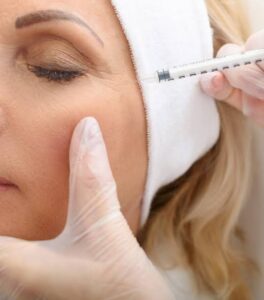
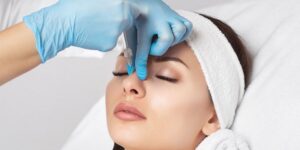
Botox has become a popular non-surgical aesthetic treatment for people who want to soften facial lines while maintaining a natural appearance. However, achieving balanced results involves more than simply reducing wrinkles. The location of the injections plays an important role in determining how facial muscles move and how expressions appear after treatment. Different areas of the face have different muscle structures, movement patterns, and aesthetic requirements, which means treatment planning should be tailored to each individual.
When considering Botox dubai, understanding how treatment areas influence facial expression can help patients make informed decisions about their aesthetic goals. Whether the focus is on forehead lines, frown lines, crow’s feet, or lower facial concerns, each area requires an appropriate approach to preserve facial harmony.
At Cornerstone Clinic, personalised treatment planning considers facial anatomy, muscle activity, and individual preferences to achieve subtle and balanced aesthetic improvements.
Understanding How Botox Influences Facial Muscles
Botox is a purified botulinum toxin formulation that temporarily reduces muscle activity by interfering with the signals responsible for muscle contraction. When injected into selected facial muscles, it helps soften expression-related wrinkles that develop through repeated movements.
Facial expressions depend on coordinated muscle activity. Raising the eyebrows, smiling, frowning, and narrowing the eyes all involve different muscle groups working together. Treating one area can therefore influence the appearance of nearby facial movements.
For example, relaxing the muscles responsible for horizontal forehead lines may affect how easily a person raises their eyebrows. Similarly, treating the muscles around the eyes can soften crow’s feet while influencing the appearance of a smile.
This is why successful treatment requires an understanding of how individual muscles interact rather than focusing exclusively on visible wrinkles.
How Forehead Botox Affects Eyebrow Movement
The forehead is one of the most commonly treated areas because repeated eyebrow movements contribute to horizontal forehead lines. These lines become more noticeable when people raise their eyebrows to express surprise, curiosity, or excitement.
The frontalis muscle is primarily responsible for lifting the eyebrows. Botox injections in this area reduce its activity, helping soften forehead wrinkles.
However, the frontalis muscle also plays an important role in maintaining eyebrow position. Excessive relaxation or poorly planned treatment may make the eyebrows appear lower or reduce the ability to raise them naturally.
A personalised approach considers:
- The natural position and shape of the eyebrows.
- The strength and activity of the forehead muscles.
- The depth of existing horizontal lines.
- The relationship between forehead movement and surrounding muscles.
The objective is to soften unwanted lines without unnecessarily restricting natural expressions. Treatment planning should also consider whether the individual relies heavily on forehead muscles to keep the eyebrows elevated.
How Frown Line Treatment Influences Facial Expression
Frown lines appear between the eyebrows and are often associated with repeated expressions such as concentration, frustration, and squinting. These vertical lines are commonly called glabellar lines.
The muscles responsible for creating these lines include the corrugator supercilii and procerus. Their repeated contraction pulls the eyebrows inward and downward.
Botox treatment in this region can reduce excessive muscle activity, helping create a more relaxed appearance. Many people choose this treatment because deep frown lines can make the face appear tense or tired even when they feel comfortable.
The treatment area requires careful assessment because the muscles around the eyebrows also contribute to eyebrow positioning. The goal is to soften the appearance of frown lines while maintaining natural movement and facial character.
Individual muscle strength, eyebrow shape, and existing facial asymmetry all influence the treatment approach.
How Crow’s Feet Treatment Changes Smiling Expressions
Crow’s feet are fine lines that develop around the outer corners of the eyes. They usually become more visible when smiling, laughing, or squinting.
These wrinkles are associated with the orbicularis oculi muscle, which surrounds the eyes and helps control eyelid movement and eye closure.
Botox treatment around the outer eye area can soften the appearance of these lines by reducing selected muscle activity. However, this region requires particular attention because the surrounding muscles contribute to several natural facial movements.
For example, some people naturally smile with noticeable movement around their eyes. This creates a warm and expressive appearance that they may wish to preserve.
Treatment planning should therefore consider:
- The location and depth of crow’s feet.
- How the eyes move during smiling.
- The strength of the surrounding muscles.
- The patient’s preference for maintaining visible smile lines.
A balanced approach focuses on softening prominent wrinkles without removing the natural character of a person’s smile.
How Botox Around the Nose Influences Facial Movement
The nose also contains muscles that contribute to facial expressions. Some people develop small wrinkles across the upper sides of the nose when they smile or scrunch their facial muscles. These are commonly called bunny lines.
Botox can be used in selected cases to reduce the activity of the muscles responsible for these lines.
The nasal muscles also interact with surrounding facial structures, including the upper lip and areas around the eyes. Consequently, treatment should be planned carefully to avoid unnecessarily changing the appearance of nearby expressions.
Not everyone needs treatment in this area. The decision depends on the visibility of the lines, individual muscle activity, and whether they are a priority within the person’s aesthetic goals.
How Lower Facial Botox Can Affect Expressions
The lower face contains several muscles that contribute to speaking, smiling, chewing, and displaying emotions. Botox treatment in this region requires an understanding of how these movements work together.
Common lower facial treatment areas include the chin, corners of the mouth, and jawline.
Chin Treatment
The mentalis muscle is responsible for movements of the chin. Overactivity can contribute to a dimpled or uneven chin appearance, particularly when the lower lip moves.
Botox may help relax excessive mentalis activity and soften the appearance of chin dimpling. The treatment approach should preserve comfortable lower-lip movement and natural facial expression.
Mouth Corner Treatment
Some people experience downward movement at the corners of their mouths, which can create a naturally serious appearance. The depressor anguli oris muscles contribute to this movement.
In selected cases, Botox may be used to reduce excessive activity in these muscles. Treatment planning must account for nearby muscles that help lift the mouth during smiling.
Jawline Treatment
The masseter muscles are located at the sides of the jaw and contribute to chewing. Botox injections into these muscles may be considered when they are particularly prominent or overactive.
Reducing masseter activity can gradually influence the appearance of the lower face. However, this treatment is different from conventional wrinkle reduction because it focuses on muscle activity and jaw contour rather than expression lines alone.
Why Facial Anatomy Matters When Selecting Treatment Areas
Every face has a different combination of muscle strength, skin characteristics, facial proportions, and natural movement patterns. Two people with similar forehead wrinkles may require different treatment approaches because their muscles function differently.
A detailed facial assessment helps identify which muscles contribute most to visible lines and whether treating a particular area could influence surrounding expressions.
Important considerations include muscle strength, eyebrow position, facial symmetry, skin elasticity, and existing movement patterns.
Previous Botox treatments may also influence planning because the response to earlier injections can provide useful information about individual muscle activity.
Understanding these factors allows practitioners to develop a treatment strategy that addresses specific concerns without applying an identical injection pattern to every patient.
How to Maintain Natural Facial Expressions After Botox
Natural-looking Botox results depend on selecting appropriate treatment areas and respecting the way facial muscles work together.
A common misconception is that every visible expression line should be completely eliminated. However, facial movement is an important part of communication and personal appearance.
A more balanced approach may involve softening selected lines while allowing some muscle activity to remain.
Several factors contribute to this approach:
- Individual assessment: Treatment should reflect the person’s facial anatomy and aesthetic preferences.
- Appropriate injection placement: Different muscles require different injection locations.
- Conservative planning: The treatment strategy should avoid unnecessarily restricting movement.
- Balanced facial proportions: The forehead, eyebrows, eyes, and lower face should be considered together.
- Follow-up assessment: Reviewing the treatment response helps determine whether future adjustments are appropriate.
Patients should discuss the expressions they want to preserve during their consultation. This helps the practitioner understand whether their priority is reducing deep lines, maintaining eyebrow movement, or softening wrinkles while keeping a natural smile.
Understanding Botox Cost in Dubai
The Botox Cost in dubai can vary depending on several treatment-related factors. There is no single price that applies to every patient because the amount of product and the number of areas treated differ according to individual requirements.
Factors that may influence the overall cost include the following:
Number of treatment areas: Treating the forehead alone may require a different amount of product compared with treating the forehead, frown lines, and crow’s feet together.
Muscle strength: People with stronger facial muscles may require a different treatment plan from those with less prominent muscle activity.
Treatment goals: The desired level of wrinkle reduction and the need to preserve certain facial movements can influence the approach.
Practitioner expertise: Clinical experience and knowledge of facial anatomy are important considerations when choosing an aesthetic provider.
Consultation and assessment: An individual evaluation helps establish which areas are appropriate for treatment and what approach may be suitable.
Patients should discuss their concerns and expected results during a consultation to receive a treatment plan and accurate cost information.
Why Choose Cornerstone Clinic for Botox Treatment?
Choosing an appropriate clinic is an important part of the aesthetic treatment journey. Botox requires an understanding of facial anatomy, muscle movement, and the relationship between different treatment areas.
At Cornerstone Clinic, the treatment process should begin with an individual assessment of facial expressions and aesthetic concerns. This allows the practitioner to identify the areas that may benefit from treatment and develop an approach based on the patient’s facial characteristics.
A personalised consultation also provides an opportunity to discuss expectations, treatment suitability, and the estimated cost.
Rather than focusing only on removing wrinkles, the aim is to consider overall facial balance and maintain the expressions that make each face distinctive.
Conclusion
Botox treatment areas play an important role in determining how facial expressions appear after treatment. The forehead, frown lines, crow’s feet, nose, chin, mouth corners, and jawline all involve different muscles with specific functions. Relaxing these muscles can soften wrinkles and influence facial movement in different ways.
Understanding these differences is essential for achieving balanced aesthetic results. A personalised treatment plan considers facial anatomy, muscle strength, natural expressions, and individual preferences rather than applying the same technique to everyone.
For anyone considering Botox dubai, a professional consultation at Cornerstone Clinic can help identify suitable treatment areas, discuss realistic expectations, and determine an approach that supports a refreshed appearance while respecting natural facial expression.
Frequently Asked Questions
1. How do Botox treatment areas affect facial expressions?
Different treatment areas involve different facial muscles. Relaxing the forehead muscles may influence eyebrow movement, while treating the muscles around the eyes can soften crow’s feet and affect how the eyes move during smiling.
2. Can Botox make facial expressions look unnatural?
Botox does not automatically create an unnatural appearance. Treatment planning, injection placement, and the amount of product used all influence the outcome. An individualised approach aims to soften wrinkles while preserving appropriate facial movement.
3. Which facial areas are commonly treated with Botox?
Common treatment areas include the forehead, frown lines between the eyebrows, crow’s feet around the eyes, bunny lines around the nose, chin, and selected lower facial muscles.
4. Can forehead Botox affect eyebrow position?
Yes. The forehead muscles help lift the eyebrows, so reducing their activity can influence eyebrow movement and position. Treatment should account for natural eyebrow anatomy and muscle strength.
5. Does Botox around the eyes change the way someone smiles?
Botox around the outer eyes can reduce the muscle activity responsible for crow’s feet. Since these muscles contribute to eye movement during smiling, treatment planning should consider the person’s natural smile pattern.
6. How long does it take to see Botox results?
Initial changes may become noticeable within a few days, while the full effect generally develops over approximately 10 to 14 days. Individual responses can vary depending on the treatment area and personal factors.
7. How long do Botox results usually last?
Results commonly last around three to four months, although the duration varies according to the individual, treatment area, muscle activity, and other factors.
8. Can multiple facial areas be treated during one appointment?
Yes. Several suitable areas may be treated during the same appointment following an individual assessment. The treatment plan depends on facial anatomy, treatment goals, and clinical suitability.
9. What determines the Botox Cost in Dubai?
The cost depends on the number of areas treated, the amount of product required, muscle strength, treatment goals, and the clinic’s pricing structure. A consultation helps establish an individual treatment estimate.
10. How can I choose the right Botox treatment areas?
The most appropriate areas depend on your facial movements, visible expression lines, muscle activity, and desired results. A consultation with a qualified medical practitioner can help determine which areas are suitable for your needs.