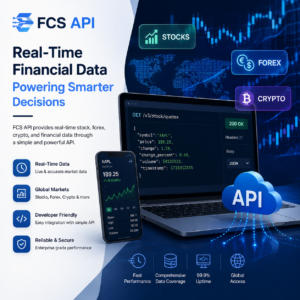
The financial technology sector has grown rapidly over the past decade, reshaping how people and businesses interact with money. At the heart of this transformation lies Data Analytics in Fintech, a powerful tool that enables companies to make smarter, faster, and more customer-centric decisions. By leveraging large volumes of financial data, fintech firms can improve risk management, personalize services, detect fraud, and unlock new opportunities for growth.
This article explores the role of data analytics in fintech, its applications, benefits, challenges, and future trends.
Why Data Analytics Matters in Fintech
Fintech companies operate in a highly competitive environment where customer trust, speed, and innovation are critical. Data analytics helps them by:
- Turning raw financial data into actionable insights.
- Enhancing customer experiences with personalized solutions.
- Reducing fraud and credit risk.
- Supporting compliance with regulatory requirements.
- Driving innovation in products and services.
Key Applications of Data Analytics in Fintech
1. Customer Insights and Personalization
Fintech firms use data analytics to understand customer behavior, spending patterns, and preferences. This allows them to offer tailored financial products such as personalized loan offers, investment recommendations, or savings plans.
2. Risk Management and Credit Scoring
Traditional credit scoring relied heavily on limited financial history. Data analytics expands this by incorporating alternative data sources—such as transaction records, utility payments, and even social behavior—to assess creditworthiness more accurately.
3. Fraud Detection and Prevention
AI-powered analytics can detect unusual patterns in transactions, flagging potential fraud in real time. This reduces losses and builds customer trust.
4. Regulatory Compliance
Fintech companies must comply with strict regulations. Data analytics automates compliance reporting, monitors suspicious activities, and ensures adherence to legal standards.
5. Investment and Wealth Management
Analytics helps fintech platforms provide smart investment advice, portfolio optimization, and robo-advisory services.
6. Operational Efficiency
By analyzing internal processes, fintech firms can identify inefficiencies, reduce costs, and improve overall performance.
Benefits of Data Analytics in Fintech
- Faster Decision-Making: Real-time insights enable quick responses.
- Improved Accuracy: Data-driven models reduce human error.
- Enhanced Customer Experience: Personalized services build loyalty.
- Fraud Prevention: Early detection saves millions in losses.
- Cost Efficiency: Automation reduces operational expenses.
- Scalability: Analytics systems can handle massive volumes of data.
Challenges in Implementing Data Analytics in Fintech
- Data Privacy Concerns: Handling sensitive financial data requires strict compliance.
- Integration Issues: Legacy systems may not adapt easily to modern analytics tools.
- Bias in Algorithms: Poorly designed models may discriminate against certain groups.
- High Initial Costs: Setting up advanced analytics infrastructure can be expensive.
- Regulatory Uncertainty: Evolving laws around data usage add complexity.
Effective Strategies for Fintech Firms Using Data Analytics
- Invest in Quality Data: Ensure accuracy and completeness of financial records.
- Adopt Advanced Tools: Use AI, machine learning, and predictive analytics.
- Focus on Compliance: Align analytics systems with regulatory requirements.
- Train Staff: Equip employees to work effectively with analytics tools.
- Start Small: Implement analytics in specific areas before scaling across operations.
Case Studies
- Fintech A: Reduced loan approval time from 5 days to 30 minutes using AI-powered credit scoring.
- Fintech B: Increased customer satisfaction by 40% with personalized investment recommendations.
- Fintech C: Detected fraudulent transactions early, saving millions in potential losses.
Future Trends in Data Analytics in Fintech
- AI-Powered Personalization: Tailored financial solutions based on customer data.
- Blockchain Integration: Combining analytics with blockchain for secure, transparent transactions.
- Voice and Chat Interfaces: Analytics-driven financial advice through voice assistants.
- Predictive Analytics: Anticipating customer needs and market trends.
- ESG Analytics: Evaluating environmental, social, and governance factors in investments.
Practical Example: Data Analytics in Loan Processing
Imagine a fintech company analyzing the following data:
- Customer income and spending habits.
- Utility bill payments.
- Social media activity.
- Transaction history.
Analysis:
- Creditworthiness: Identified through consistent bill payments and stable income.
- Risk Assessment: Spending patterns show responsible financial behavior.
- Personalized Offer: A loan product tailored to the customer’s repayment capacity.
This approach reduces default risk and improves customer satisfaction.
Tips to Master Data Analytics in Fintech
- Understand Financial Basics: Know how financial systems work.
- Learn Analytical Tools: Familiarize yourself with platforms like Tableau, Power BI, or Python libraries.
- Combine Data Sources: Use both traditional and alternative data.
- Focus on Security: Protect customer data with strong safeguards.
- Stay Updated: Keep track of evolving fintech regulations and technologies.
Conclusion
Data Analytics in Fintech is revolutionizing the way financial services are delivered. It enables companies to make smarter decisions, reduce risks, and provide personalized experiences that build customer trust. By mastering data analytics, fintech firms can stay ahead in a competitive market and shape the future of finance.
The future of fintech belongs to those who embrace data-driven innovation. Companies that invest in analytics today will be the leaders of tomorrow.