Flower wrapping paper is a decorative packaging material used to present bouquets, individual flowers, and floral arrangements in an attractive and organized way. Florists use it to enhance the appearance of fresh flowers, protect delicate petals during handling, and create a finished look suitable for gifts, celebrations, and everyday purchases. Available in different textures, colors, thicknesses, and finishes, flower wrapping paper allows flower shops to match their packaging with different floral styles and customer preferences.
Modern floral packaging goes beyond simply covering a bouquet. The wrapping material can complement the flower colors, support the arrangement’s shape, and reflect the florist’s brand identity. Soft pastel paper may suit romantic bouquets, while kraft paper creates a natural appearance for rustic arrangements. Transparent and translucent materials can highlight the flowers themselves, allowing their colors and textures to remain the main focus. Choosing the right wrapping paper helps florists present their arrangements professionally while keeping the packaging practical.
Why Florists Need Quality Flower Wrapping Paper
Quality printed flower wrapping paper helps florists create attractive bouquets that are easier to carry, present, and deliver. A suitable sheet can hold the arrangement together, cover the stems when needed, and provide a clean outer layer around the flowers. The paper should be flexible enough to fold neatly but strong enough to withstand normal handling without tearing easily. Its performance depends on the flower arrangement’s size, weight, moisture level, and the way the bouquet is secured.
Presentation is equally important in the floral business. Customers often purchase flowers for birthdays, anniversaries, weddings, graduations, and other meaningful occasions. Thoughtful wrapping can make a bouquet feel more complete and gift-ready. Consistent packaging can also help flower shops build a recognizable style, especially when the wrapping coordinates with ribbons, tags, and branded cards. Investing in suitable floral wrapping paper supports both the practical needs of florists and the visual appeal customers expect.
Different Types of Flower Wrapping Paper
Florists can choose from several types of floral wrapping paper depending on the bouquet style and packaging requirements. Kraft flower wrapping paper is popular for its natural brown color and understated appearance. It pairs well with sunflowers, roses, wildflowers, and seasonal arrangements. Its simple surface also works with printed logos, decorative stamps, and colored ribbons, making it a versatile choice for flower shops that prefer a rustic or minimalist presentation.
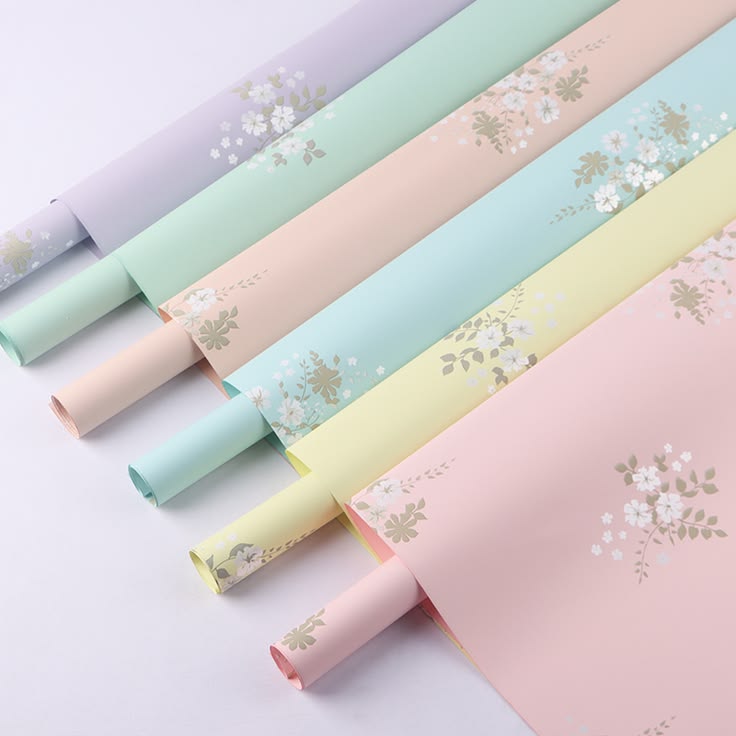
Colored and printed flower wrapping paper offers more opportunities for creative designs. Pastel shades can complement delicate arrangements, while bold colors can make celebratory bouquets more noticeable. Floral patterns, geometric designs, and custom illustrations can add personality to the packaging. Translucent paper creates a softer layered effect, allowing flowers to remain partly visible. The best option depends on the flower colors, the occasion, and whether the florist wants the wrapping to blend into the arrangement or become a prominent design feature.
Kraft Flower Wrapping Paper for a Natural Look
Kraft flower wrapping paper is widely used by florists who prefer a simple, natural style. Its earthy appearance complements greenery and many flower varieties without competing with the arrangement. It can be folded into structured bouquet shapes or layered loosely for a more relaxed presentation. Florists may pair kraft paper with jute string, cotton ribbon, or a small branded tag to create packaging that feels coordinated and distinctive.
This material can also support practical branding. A florist can choose custom-printed kraft paper with a logo or repeating pattern, helping customers recognize the business when they receive a bouquet. However, not every kraft paper grade performs the same way around moisture. When wrapping freshly cut flowers, florists should select paper that suits the arrangement and avoid assuming that ordinary kraft paper is waterproof. A suitable inner layer or moisture-resistant material may be necessary when wet stems or damp flower coverings are involved.
Waterproof Flower Wrapping Paper for Fresh Bouquets
Waterproof flower wrapping paper can be useful when bouquets contain moist stems or need extra protection against light splashes during handling. Florists may use moisture-resistant papers or compatible coated materials to help keep the outer presentation neat. This can be particularly helpful for bouquets prepared for delivery, outdoor events, and occasions where the flowers may be handled repeatedly before reaching the recipient.
The term “waterproof” can describe different levels of moisture resistance, so florists should confirm the supplier’s actual product specifications. Some papers resist light moisture but are not designed for prolonged contact with water. Coatings and laminations may also affect the paper’s appearance, flexibility, and disposal options. When selecting waterproof flower wrapping paper, consider the bouquet’s size, the amount of moisture involved, and whether the wrapping will touch the stems directly or serve only as a decorative outer layer.
Custom Flower Wrapping Paper for Branding
Custom flower wrapping paper gives flower shops and floral businesses a way to create packaging that reflects their brand. A printed logo, business name, signature pattern, or coordinated color scheme can make bouquets more recognizable. Custom designs are especially useful for florists that supply wedding arrangements, corporate gifts, event flowers, and subscription bouquets. Consistent packaging can help create a professional look across different orders without requiring every bouquet to have exactly the same floral design.
When developing custom printed flower wrapping paper, keep the artwork balanced and suitable for folding. Large graphics may become hidden when the paper is wrapped, while a repeating pattern can remain visible from different angles. Choose colors that complement the flowers rather than overpowering them, and ensure the logo remains readable against the background. Before ordering in bulk, request a sample or print proof to review color accuracy, paper strength, and how the design looks around an actual bouquet.
Luxury Bouquet Wrapping for Special Occasions
Luxury bouquet wrapping can make floral arrangements feel more refined and suitable for premium gifts. Florists may combine textured paper, translucent layers, elegant colors, and carefully selected ribbons to create a sophisticated presentation. Neutral shades such as cream, white, taupe, and soft gray can provide a timeless look, while deep colors may suit dramatic rose arrangements or formal occasions. The final design should support the flowers rather than distract from their natural beauty.
Different occasions call for different wrapping styles. Wedding bouquets may use soft, coordinated materials that complement the event’s color palette, while anniversary arrangements may feature romantic shades and refined finishing details. Corporate floral gifts often benefit from clean designs with subtle branding. By keeping a range of paper colors and textures available, florists can adjust their packaging to different budgets, flower varieties, and customer requests while maintaining a consistent standard of presentation.
Eco-Friendly Flower Wrapping Paper Options
Many flower shops look for packaging materials that reduce unnecessary waste while still presenting bouquets attractively. Paper made with recycled content or fibers from responsibly managed sources may be an option, depending on supplier availability. Simple kraft paper can also help create a natural appearance without requiring multiple decorative layers. Using appropriately sized sheets and avoiding excessive wrapping can reduce material use while keeping bouquets secure and presentable.
However, flower wrapping paper is not automatically recyclable or environmentally preferable. Plastic coatings, metallic finishes, adhesives, and mixed-material layers may affect how it can be disposed of. Paper contaminated with significant moisture or other substances may also be treated differently by local recycling programs. Florists should check the supplier’s material details and local disposal guidance before making environmental claims. Selecting the right material for the intended use is more useful than relying on the appearance of the paper alone.
Wholesale Flower Wrapping Paper for Flower Shops
Wholesale flower wrapping paper can help florists maintain a consistent supply of packaging for daily orders, weddings, holidays, and seasonal campaigns. Buying larger quantities may reduce the cost per sheet or roll, although prices vary according to paper type, size, thickness, printing, finish, and order volume. Flower shops that regularly prepare bouquets can benefit from keeping popular colors and materials in stock to avoid interruptions during busy periods.
Before placing a wholesale order, estimate how much paper the business uses during a typical week and identify the sizes needed for different bouquet styles. Compare supplier specifications, minimum order quantities, delivery times, and printing options. If ordering custom designs, review a sample before committing to a large quantity. Planning ahead for peak floral occasions, such as Valentine’s Day, Mother’s Day, and wedding season, can help florists manage stock and maintain consistent packaging quality.
How to Choose the Right Paper for Flower Bouquets
Choosing the right Custom Packaging canada begins with considering the flowers and the purpose of the bouquet. Delicate arrangements may benefit from soft, flexible wrapping, while larger bouquets may require stronger sheets that can support the arrangement during carrying. The paper should be wide enough to cover the flowers and stems as intended, with enough material to create clean folds and secure the bouquet. Florists should also consider whether the wrapping is intended for presentation, moisture resistance, transport, or a combination of these purposes.
Color coordination is another important factor. Wrapping that contrasts gently with the flowers can make the arrangement stand out, while matching tones create a more unified look. The material should also work with the chosen ribbon, tag, and any protective inner layer. Testing different papers with real bouquets helps identify the best combination of appearance, flexibility, strength, and moisture handling before the florist purchases packaging in larger quantities.
Frequently Asked Questions
1. What is the best paper for wrapping flower bouquets?
The best paper depends on the flower type, bouquet size, and desired appearance. Kraft paper suits natural designs, colored paper offers creative options, and translucent materials create a layered presentation.
2. Is waterproof flower wrapping paper available?
Yes. Some suppliers offer moisture-resistant or waterproof floral wrapping materials. Check the product specifications because different papers provide different levels of protection against moisture.
3. Can I order custom flower wrapping paper with my logo?
Yes. Many packaging suppliers offer custom printing with logos, business names, patterns, and brand colors. Request a proof to check the design before production.
4. Is kraft flower wrapping paper suitable for fresh flowers?
Kraft paper can be suitable for many bouquets, but ordinary kraft paper may not tolerate direct or prolonged moisture. A compatible inner layer may be needed for wet stems or damp arrangements.
5. Can flower shops buy wrapping paper wholesale?
Yes. Wholesale options are available from many packaging suppliers. Costs depend on the material, dimensions, printing, quantity, and shipping arrangements.
6. Is flower wrapping paper recyclable?
Some paper wrapping materials can be recycled, but coatings, plastic layers, metallic finishes, and local recycling rules affect disposal. Check the material specifications and local guidance.
7. How can I make a bouquet look more luxurious?
Choose coordinated colors, quality paper, neat folds, and a suitable ribbon or branded tag. Layering complementary textures can create a premium look without making the packaging overly complicated.
Conclusion
Flower wrapping paper plays an important role in presenting bouquets attractively while supporting the practical needs of florists and flower shops. From natural kraft paper to colorful printed designs, translucent layers, and moisture-resistant options, the right material can complement different flowers and occasions. Custom printing can strengthen brand recognition, while wholesale purchasing helps businesses maintain a reliable supply of packaging. By considering paper quality, moisture resistance, design, and disposal requirements, florists can create beautiful floral presentations that suit their products and customers.