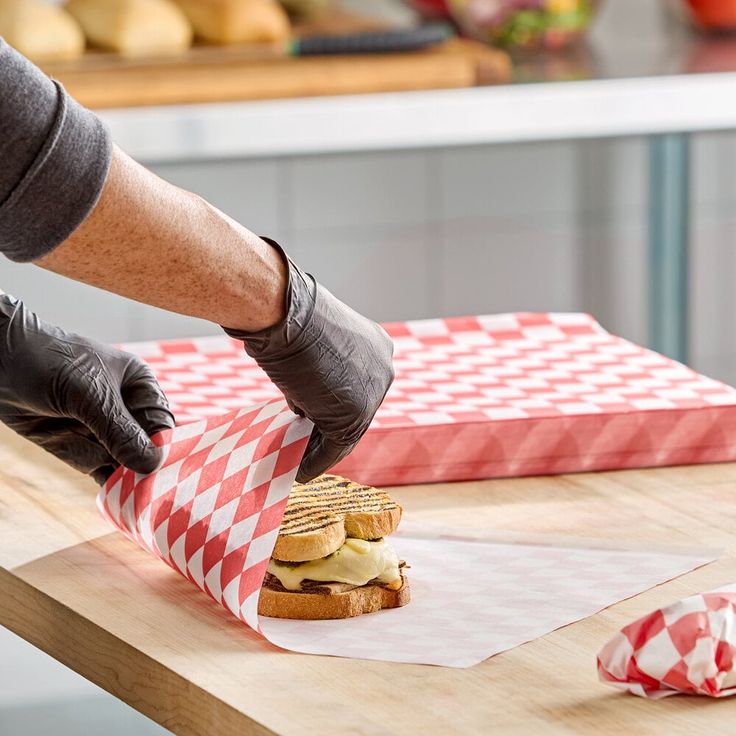
Sandwich wrap paper is a packaging material used to wrap sandwiches, burgers, wraps, rolls, and other ready-to-eat foods. Cafes, delis, restaurants, bakeries, and food trucks use it to keep food organized during preparation, takeaway, and serving. Available in different paper grades, sheet sizes, and finishes, sandwich wrapping paper can be selected according to the type of food, its moisture level, and the length of time it needs to remain wrapped. The right material helps maintain a neat presentation while making food easier to handle.
Beyond its practical purpose, sandwich wrap paper can also support a business’s branding. Restaurants can choose plain paper for everyday service or custom-printed sheets featuring a logo, brand colors, and repeating patterns. Printed paper can make takeaway orders look more professional and help create a consistent presentation across dine-in, pickup, and delivery services. Whether a business serves a few sandwiches each day or manages a busy food operation, selecting suitable wrapping paper is an important part of its packaging process.
Why Sandwich Wrap Paper Matters for Food Businesses
Good wholesale sandwich wrap paper helps keep food together and makes serving more convenient. It can reduce direct handling, help contain crumbs and light grease, and provide a practical outer layer for takeaway orders. The paper should be suitable for the specific food being served, especially when sandwiches contain sauces, oils, fresh vegetables, or warm fillings. Choosing an appropriate grade helps businesses avoid paper that tears too easily or becomes unsuitable when exposed to moisture and grease.
Consistency is another important benefit. When every sandwich is wrapped in the same size and style of paper, staff can prepare orders more efficiently and present them in a recognizable way. This is particularly useful for busy cafes and restaurants where speed and cleanliness matter. Properly sized sheets can also reduce unnecessary waste during food preparation. By matching the paper to the menu and serving method, businesses can improve their packaging workflow while maintaining an appealing presentation for customers.
Types of Sandwich Wrapping Paper
Different sandwich products require different types of wrapping paper. Standard food-grade paper may work well for relatively dry sandwiches, rolls, and bakery items, while grease-resistant paper is often more suitable for foods containing oily ingredients, butter, cheese, or sauces. Kraft sandwich wrap offers a natural brown appearance that suits delis, cafes, and businesses with a simple, rustic brand identity. The actual performance depends on the paper’s composition and any treatment applied to its surface.
Greaseproof sandwich paper is designed to resist the penetration of grease, making it useful for many takeaway foods. Some businesses also choose coated or specially treated papers for products that contain more moisture or oil. Waxed and other barrier-treated papers may be available, but their suitability depends on the intended food-contact application and disposal requirements. Before selecting a material, businesses should confirm that it is appropriate for the specific food, serving temperature, and duration of contact.
Custom Sandwich Wrap Paper for Branding
Custom sandwich wrap paper helps restaurants and food businesses turn everyday packaging into a branding opportunity. Businesses can print their logos, brand names, slogans, or repeating patterns on food wrapping sheets. When customers receive a sandwich wrapped in branded paper, the packaging reinforces the business’s identity and creates a more consistent presentation. This approach is particularly useful for cafes, sandwich shops, bakeries, delis, and takeaway restaurants.
The design should complement the food rather than make the packaging look crowded. A simple logo pattern can create a professional appearance, while selected brand colors can help the paper match takeaway bags, food boxes, and cups. Businesses can choose white or brown paper, depending on the desired look and available printing options. Custom sizes and different print colors are also offered by some suppliers, allowing businesses to tailor their paper to specific serving requirements. <Cite refs={[“turn314914search0″,”turn314914search1”]}/>
Sandwich Paper Sheets for Cafes and Restaurants
Sandwich paper sheets are convenient for businesses that prepare individual orders throughout the day. Pre-cut sheets can make wrapping faster because employees do not need to measure or cut paper for every sandwich. They can also be used to line serving trays, baskets, and takeaway containers when the material is suitable for the intended application. Keeping several sheet sizes available allows staff to handle different products without using unnecessarily large pieces of paper.
The ideal sheet size depends on the sandwich dimensions, filling, and wrapping method. Smaller sheets may work for compact sandwiches and rolls, while larger sheets can accommodate long subs, paninis, and generously filled sandwiches. Businesses should test the paper with their actual menu items before choosing a standard size. This helps confirm that the sheet wraps securely, folds neatly, and provides enough coverage for convenient serving.
Greaseproof Sandwich Paper for Oily Foods
Greaseproof sandwich paper is designed to resist grease penetration, making it a useful option for sandwiches containing cheese, butter, meat, dressings, and other oily ingredients. It can help reduce visible grease marks on the outside of the wrapping and keep customers’ hands cleaner during eating. For businesses serving rich or heavily filled sandwiches, choosing a paper with suitable grease resistance can improve the overall takeaway experience.
Not all food wrapping papers provide the same level of protection. Some are designed mainly for dry foods, while others have treatments or coatings intended to resist grease and moisture. Businesses should check the supplier’s specifications rather than assuming that every paper described as food wrapping paper is greaseproof. The complete material must also be suitable for the intended food-contact conditions, including temperature and duration of contact.
Eco-Friendly Sandwich Packaging Options
Many food businesses are exploring paper-based packaging options to reduce unnecessary plastic use. Sandwich wrap paper may be available in kraft, recycled-content, or other paper grades, depending on the supplier. Using appropriately sized sheets can also help reduce material waste during preparation. For businesses that prioritize responsible packaging, it is worth asking about the paper’s fiber source, coatings, inks, and available environmental certifications.
However, paper packaging is not automatically recyclable or compostable. Grease-resistant treatments, wax coatings, plastic layers, and food contamination can affect how used paper is handled after service. The correct disposal method depends on the complete product construction and local waste-management rules. Restaurants in Canada should confirm the supplier’s material specifications and check local recycling or organics guidelines before making environmental claims.
Wholesale Sandwich Wrap Paper for Growing Businesses
Wholesale sandwich wrap paper is a practical option for restaurants, delis, food trucks, and catering companies that use packaging every day. Buying in larger quantities may reduce the cost per sheet, but the final price depends on paper grade, sheet dimensions, printing, order volume, and delivery. Businesses should compare quotations using the same specifications to understand which supplier offers the best overall value.
Before placing a bulk order, estimate the number of sandwiches prepared each day and calculate the quantity of paper needed over a typical ordering period. Confirm minimum order quantities, printing costs, production timelines, and storage requirements. For custom-printed paper, request a sample or artwork proof before approving production. Planning ahead can help prevent shortages during busy periods while keeping packaging consistent across regular and seasonal menus.
How to Choose the Right Sandwich Wrap Paper
Start by considering the type of sandwiches your business sells. Dry sandwiches may require a different paper grade from hot paninis, oily fillings, or products containing sauces. Choose a sheet size that wraps the product comfortably and consider whether the paper will be used only for wrapping or also for lining trays and baskets. If the same paper will serve multiple purposes, verify that it is suitable for every intended use.
Next, consider branding, budget, and storage. Plain paper may be appropriate for high-volume service, while custom-printed sandwich paper can provide a more recognizable presentation. Make sure the selected material works with your food preparation process and any required food-contact standards. Testing samples before ordering in bulk can help identify issues with tearing, grease resistance, folding, or print quality before they affect daily operations.
Frequently Asked Questions
1. What is sandwich wrap paper used for?
Sandwich wrap paper is used to wrap sandwiches, subs, paninis, rolls, and similar takeaway foods. Depending on its specifications, it may also be suitable for lining serving trays and food baskets.
2. What is the best paper for wrapping sandwiches?
The best option depends on the ingredients and serving conditions. Standard food-grade paper may suit dry sandwiches, while grease-resistant paper is generally more appropriate for oily or heavily filled products.
3. Can sandwich wrap paper be custom printed?
Yes. Many suppliers offer printing with logos, business names, brand colors, and repeating patterns. Available designs, materials, and print methods vary by supplier.
4. Is greaseproof sandwich paper suitable for hot sandwiches?
Some greaseproof papers are suitable for specific hot-food applications, but temperature limits vary. Confirm the supplier’s specifications for direct food contact and the intended serving temperature.
5. Can I buy sandwich wrap paper wholesale in Canada?
Yes. Canadian businesses can explore suppliers offering food wrapping sheets, custom printing, and bulk quantities. Compare material specifications, minimum order quantities, shipping costs, and delivery times before ordering.
6. Is sandwich wrap paper recyclable?
Some types may be recyclable, but coatings, grease, food residue, and local waste rules can affect disposal. Check the product details and your local recycling guidance.
7. Can I use sandwich wrap paper for burgers and fries?
Some food wrapping papers are suitable for burgers, fries, and other takeaway foods. Choose a material designed for the food’s grease, moisture, and temperature requirements rather than assuming one paper works for every product.
Conclusion
Sandwich wrap paper is an essential packaging option for cafes, restaurants, delis, and takeaway businesses that need practical food wrapping with a professional appearance. From plain kraft sheets to grease-resistant paper and custom-printed designs, businesses can select materials that match their menus, branding, and serving methods. Choosing the right size and verifying food-contact suitability can help improve daily operations and customer convenience. For businesses with regular packaging needs, wholesale ordering can also support consistent stock levels and more predictable packaging costs.