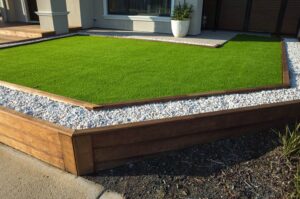
artificial grass installation in Dallas TX
Artificial grass has become an increasingly practical option for Dallas homeowners who want a green, attractive yard without the regular mowing, watering, and seasonal maintenance associated with natural grass. However, the cost of artificial grass installation in Dallas TX can vary significantly from one property to another. Yard size, turf quality, ground preparation, drainage, accessibility, edging, and installation complexity all affect the final investment. Understanding these factors before requesting estimates can help homeowners establish a realistic budget and compare proposals more effectively.
Average Cost of Artificial Grass Installation in Dallas
In 2026, published Dallas-area estimates commonly place professionally installed artificial turf in a broad range of roughly $8 to $20 per square foot, depending on the product, preparation requirements, and project complexity. Some local pricing data falls toward the lower end for straightforward installations, while premium materials and extensive site preparation can push projects considerably higher. Because every property is different, these figures should be treated as planning ranges rather than guaranteed project prices.
For example, a 1,000-square-foot yard could potentially cost around $8,000 to $15,000 for a typical installation, although more complex projects may exceed that range. Current Dallas estimates also show that smaller projects can have higher per-square-foot costs because equipment, transportation, labor setup, and other fixed expenses are spread across less area. Getting an on-site assessment is therefore more reliable than calculating the final cost from square footage alone.
Turf Quality Has a Major Impact on Price
Artificial grass is available in different grades, densities, blade shapes, colors, backing systems, and durability levels. Budget-friendly turf may have a lower initial price, while premium products can cost more because they are designed for heavier traffic, improved appearance, UV resistance, or specialized applications. Current Dallas pricing information indicates that turf materials alone can range from several dollars per square foot upward depending on the type selected.
Homeowners should choose turf according to how the area will actually be used rather than automatically selecting the most expensive product. A decorative side yard may not require the same specifications as a backyard used heavily by children and pets. High-traffic areas can benefit from products designed for durability and resilience, while pet owners may need specialized drainage and infill solutions. Comparing specifications instead of focusing only on appearance can help homeowners make a more practical long-term investment.
Ground Preparation and Excavation Costs
One of the most important parts of an artificial grass project happens before the turf is installed. Existing grass, weeds, roots, rocks, and unsuitable soil may need to be removed so the new surface has a stable foundation. Excavation, hauling, grading, and site preparation can add significantly to the total project cost. Current cost guides identify excavation and preparation as important variables in Dallas installations, with basic excavation alone potentially adding hundreds of dollars depending on the project.
The condition of the existing yard can make preparation either relatively straightforward or considerably more involved. A flat, accessible lawn with good soil conditions may require less work than a sloped yard with poor drainage, mature roots, compacted soil, or extensive existing landscaping. Proper preparation should not be treated as an optional expense because the stability of the base affects how the finished turf looks and performs. Cutting corners during preparation can contribute to uneven areas, movement, drainage problems, and premature wear.
Base Preparation and Drainage
The base underneath artificial grass is one of the most important components of a successful installation. Contractors typically remove unsuitable material, establish the desired grade, install an appropriate aggregate base, and compact it to create a stable surface. The exact depth and materials depend on the property and intended use. Current DFW installation information emphasizes that proper base preparation is a significant part of both project cost and long-term turf performance.
Drainage deserves particular attention in Dallas because heavy rainfall can quickly expose weaknesses in an improperly prepared yard. Water should have a clear path away from the turf instead of collecting underneath it. Existing drainage conditions, grading, soil characteristics, and the type of base material can all influence the installation approach. If additional drainage work is required, it can increase the project’s cost, but addressing water-management issues during installation can help prevent more expensive problems later.
How Yard Size and Shape Affect Pricing
Square footage is one of the easiest ways to estimate the basic scale of an artificial grass project, but the shape of the yard also matters. A simple rectangular lawn can usually be installed more efficiently than an area containing curves, narrow sections, planting beds, trees, steps, pavers, or other obstacles. Complex layouts require additional measuring, cutting, seaming, and installation time. This is one reason two yards with similar square footage can receive very different project estimates.
Larger projects may sometimes have a lower cost per square foot because fixed mobilization and equipment expenses are distributed across more turf. Smaller installations, meanwhile, can carry minimum project charges that make their per-square-foot price appear higher. Current DFW pricing data demonstrates this relationship across different project sizes. Homeowners should therefore compare total project scope and included services rather than judging estimates solely by the quoted square-foot rate.
Additional Costs to Consider
Artificial grass is only one part of a complete installation. Homeowners may also need to budget for excavation, disposal, base materials, edging, weed barriers, infill, drainage improvements, and labor. Existing irrigation systems may need to be adjusted or removed, while trees, garden beds, walkways, or other landscape elements can require additional preparation. Current installation cost guides specifically identify excavation, disposal, drainage, edging, and infill as expenses that can affect the final price.
Additional landscaping features can also change the project’s overall budget. For example, homeowners may decide to combine artificial turf with patios, walkways, retaining walls, planting beds, or other hardscape improvements. Hardscape design and installation can create attractive transitions between turf and permanent outdoor features while improving the functionality of the yard. When several improvements are planned together, it is important to coordinate grading, drainage, elevations, and material selections from the beginning.
Artificial Turf for Pets and High-Traffic Areas
Pet-friendly artificial grass can have different installation requirements from a decorative lawn. Dogs and other pets can introduce additional considerations involving drainage, odor control, infill, cleaning, and durability. Some specialized installations use antimicrobial or pet-focused infill and drainage solutions designed for frequent use. These additions can increase the initial price but may provide practical benefits for households where pets regularly use the yard.
High-traffic areas also deserve careful product selection. A lawn used frequently by children, pets, or guests may experience more wear than a decorative area used occasionally. Choosing an appropriate turf density, backing system, and installation method can help the surface maintain its appearance. Homeowners should explain how the yard will be used when requesting estimates so the contractor can recommend materials based on actual conditions rather than simply offering the cheapest available option.
Combining Artificial Grass With Hardscape Design
Artificial turf does not have to cover the entire backyard to create a significant visual improvement. Combining turf with patios, walkways, planting beds, seating areas, or other hardscape features can produce a more balanced landscape. Hardscape design and installation can define functional zones while reducing the amount of lawn that needs to be maintained. This approach can be particularly useful when homeowners want an outdoor space that combines greenery with durable surfaces.
The transition between artificial grass and hardscape should be planned carefully. Edging, elevation, drainage, and surface alignment all contribute to the finished appearance. A poorly planned transition can create gaps, uneven surfaces, or water-management problems. Coordinating turf and hardscape work as part of one landscape plan can produce a more cohesive result and help ensure that each material performs properly.
How to Compare Artificial Grass Installation Quotes
When reviewing estimates, homeowners should look beyond the total price. A low quote may not include the same base preparation, drainage work, turf quality, infill, edging, disposal, or warranty as a higher proposal. Ask each contractor to provide a detailed description of the materials and services included. Comparing equivalent scopes makes it much easier to understand whether one estimate is genuinely more economical or simply leaves out important components.
It is also worth asking about installation experience, preparation methods, drainage practices, product specifications, maintenance requirements, and workmanship warranties. A professional installation should include proper preparation rather than simply placing turf over the existing lawn. Contractors should be able to explain why particular materials are being recommended for your property. Clear communication before construction can help prevent unexpected charges and make the final result more predictable.
Planning Your Artificial Grass Investment
The cost of artificial grass installation in Dallas TX depends on much more than the price of the turf itself. Yard size, product quality, excavation, base preparation, drainage, infill, accessibility, site complexity, and additional landscaping features can all influence the final investment. Current 2026 estimates show a wide range in Dallas and DFW, which reinforces the importance of obtaining a detailed property-specific estimate rather than relying on a single average price.
A successful artificial grass project should balance appearance, durability, drainage, maintenance, and budget. Homeowners who understand the complete installation process can make better decisions about where to invest and where to simplify. Whether the project involves a small lawn replacement or a complete backyard redesign with hardscape design and installation, professional planning can help create a finished outdoor space that is attractive, practical, and built for long-term use.