Chronic wound management at home in Michigan
Managing a chronic wound at home requires patience, consistency, and appropriate medical guidance. Wounds that remain open or heal slowly can be associated with diabetes, poor circulation, pressure, limited mobility, infection, or other underlying health concerns. Chronic wound management at home in Michigan can provide a structured approach for patients who need ongoing monitoring while remaining in a familiar environment. Professional support can help patients and caregivers understand dressing routines, warning signs, and factors that may influence healing.
Home wound care should be based on an individualized plan rather than a routine that works for everyone. The appropriate dressing, cleaning method, visit schedule, and treatment approach can vary according to wound type, location, depth, drainage, and the patient’s overall health. Healthcare professionals may also consider medications, nutrition, mobility, circulation, and conditions such as diabetes when developing a care plan. This broader assessment helps address factors that may be preventing the wound from progressing normally.
Understand the Type and Cause of the Wound
The first step in managing a chronic wound is understanding why it developed. Common chronic wounds include diabetic ulcers, pressure injuries, venous ulcers, arterial wounds, and wounds that remain open after surgery or injury. Each type can have different underlying causes and treatment requirements. For example, pressure-related wounds may require pressure reduction, while circulation-related ulcers may require evaluation of blood flow and treatment of the underlying vascular problem.
A professional assessment can help determine the wound’s size, depth, appearance, drainage, surrounding skin condition, and healing progress. Healthcare professionals may also review medical history and identify factors that could delay recovery. Understanding the cause is important because simply changing a dressing may not resolve an underlying problem. A comprehensive wound care plan should address both the injury itself and the health factors contributing to delayed healing.
Follow a Consistent Dressing Routine
Dressing changes should follow the instructions provided by the patient’s healthcare professional. The type of dressing and frequency of replacement can vary depending on the wound and its drainage. Before handling a dressing, patients or caregivers should carefully follow appropriate hand-cleaning procedures and use the supplies recommended for the specific wound. Medically appropriate wound care is more than simply covering the injury because the dressing should support the treatment goals established by the care team.
Patients should avoid experimenting with household products or unapproved substances on chronic wounds. Some products can irritate tissue or interfere with healing when used incorrectly. During dressing changes, caregivers should observe the wound for changes in redness, swelling, drainage, odor, pain, or appearance. Healthcare guidance recommends contacting a provider when these changes become more pronounced or when the wound becomes larger, deeper, darker, or increasingly painful.
Protect the Wound From Pressure and Further Injury
Pressure can be an important concern for patients who spend extended periods in bed or sitting in a chair. Repeated pressure on vulnerable areas can damage tissue and contribute to the development or worsening of pressure injuries. Depending on the patient’s condition, a healthcare professional may recommend repositioning, specialized support surfaces, mobility assistance, or other strategies. These measures should be adapted to the patient’s medical condition and should not be performed in ways that create additional injury.
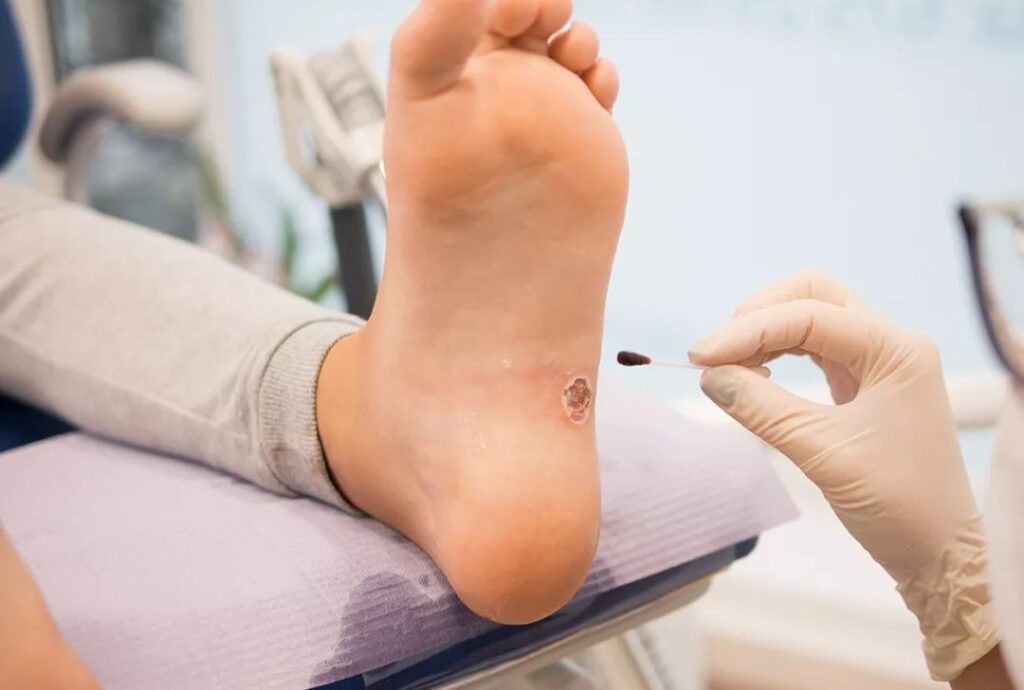
Protecting the wound also means paying attention to everyday activities that may cause friction, pressure, or accidental reopening. Patients should follow instructions regarding movement, weight-bearing, footwear, positioning, and activity restrictions. For people with diabetic foot ulcers, reducing pressure on the affected area can be an important part of wound care. Consistent protection gives damaged tissue an opportunity to recover while the underlying causes are addressed.
Pay Attention to Diabetes and Circulation
Underlying medical conditions can have a major effect on wound healing. Diabetes can make certain wounds more difficult to manage, particularly when reduced sensation or circulation problems are present. Patients with diabetes should follow their healthcare professional’s recommendations for blood glucose management and foot protection. Regular professional examinations are also important because patients may not always notice injuries when sensation is reduced.
Circulation problems can also interfere with the delivery of oxygen and nutrients needed for tissue repair. A wound associated with poor arterial or venous circulation may require treatment directed at the circulation problem in addition to local wound care. Patients should not assume that a wound will improve simply by changing its dressing more frequently. Professional evaluation can help determine whether an underlying condition requires attention as part of the overall treatment plan.
Consider Personalized In-Home Wound Care
For patients who have difficulty traveling, personalized in-home wound care solutions Michigan can make ongoing treatment more manageable. Home-based wound care may involve professional assessment, dressing changes, monitoring, patient education, and communication with the patient’s broader healthcare team. The exact services depend on the provider, the patient’s medical needs, and the treatment plan established by qualified healthcare professionals.
One advantage of appropriate home-based care is that professionals can see the patient in their everyday environment. They may notice mobility challenges, positioning issues, difficulties with dressing changes, or caregiver concerns that could affect treatment. This information can help the healthcare team make recommendations that are realistic for the patient’s circumstances. Home care does not replace emergency treatment or procedures that require a medical facility, but it can be a useful component of ongoing care for suitable patients.
Support Healing Through Nutrition and Daily Habits
The body needs adequate nutrition and hydration to support tissue repair, so patients should discuss dietary needs with their healthcare team. Some people with chronic wounds may have poor appetite, difficulty preparing meals, swallowing concerns, or medical conditions that affect nutrition. A healthcare professional may recommend nutritional support or referral to an appropriate specialist when needed. Patients should avoid taking supplements specifically for wound healing without discussing them with their healthcare provider.
Smoking can also interfere with healthy circulation and tissue repair, making cessation an important consideration for patients who smoke. Managing chronic health conditions, following prescribed medications, maintaining appropriate mobility, and attending scheduled follow-up appointments can all support the overall treatment plan. Wound healing is rarely dependent on one action alone. Consistent attention to the patient’s general health can complement the direct treatment provided for the wound.
Know the Warning Signs of Infection
Patients and caregivers should know which changes require prompt communication with a healthcare professional. Increasing redness, warmth, swelling, pain, bleeding, pus, unpleasant odor, or increased drainage can indicate a problem. Fever or chills can also occur with infection and should not be ignored. For diabetic foot wounds, changes such as increasing redness, warmth, swelling, drainage, odor, pain, or discoloration warrant professional attention.
A wound that becomes larger, deeper, unusually dark, or increasingly painful should also be reassessed. Caregivers should not attempt to drain an infected wound or perform procedures such as debridement without appropriate professional training and direction. If symptoms are rapidly worsening or appear severe, the patient may need urgent medical evaluation rather than waiting for a routine home visit. Recognizing these warning signs early can help patients obtain the appropriate level of care.
Keep Communication Open With the Healthcare Team
Chronic wound care often involves more than one healthcare professional. Depending on the patient’s needs, the care team may include physicians, nurses, physical therapists, specialists, caregivers, and other professionals. A coordinated approach can help ensure that wound progress, mobility, nutrition, medications, and underlying medical conditions are considered together. Keeping accurate information about dressing changes and noticeable wound changes can make follow-up visits more productive.
Patients and caregivers should feel comfortable asking questions when they are uncertain about any part of the care plan. They can ask how often a dressing should be changed, what symptoms should be reported, which activities should be limited, and when follow-up should occur. Clear instructions reduce the risk of misunderstandings and help everyone involved follow the same plan. For Michigan patients managing chronic wounds at home, professional guidance combined with consistent daily care can create a more organized approach to long-term wound management.