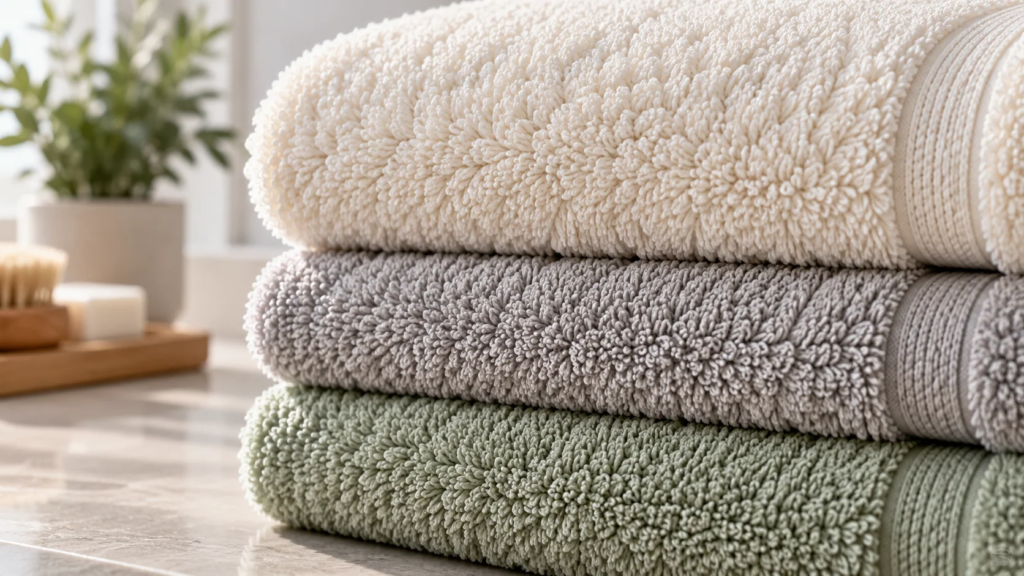
There is nothing quite as comfortable as wrapping yourself in a soft, fluffy towel after a shower. However, towels that once felt smooth and luxurious can gradually become rough, stiff, and less absorbent. This change often happens because of detergent buildup, hard water minerals, excessive fabric softener, and incorrect washing or drying techniques. Fortunately, restoring towel softness does not always require expensive laundry products or replacing old towels.
Learning How to Keep Towels Soft starts with understanding how towel fibers respond to everyday laundry habits. Small changes in washing temperature, detergent quantity, drying methods, and storage can make a noticeable difference. Whether you are caring for new cotton towels or trying to refresh older ones, the right approach can help maintain their comfort, absorbency, and appearance.
Here are seven simple laundry habits that can help keep your towels soft and fluffy for longer.
1. Use the Right Amount of Laundry Detergent
One of the most common reasons towels become rough is using too much laundry detergent. Although adding extra detergent may seem like a good way to achieve cleaner towels, it can actually create problems. Excess detergent does not always rinse away completely, especially when the washing machine is overloaded.
Over time, detergent residue builds up between towel fibers. This buildup can make the fabric feel stiff and reduce its ability to absorb water effectively.
To avoid this problem, follow the detergent manufacturer’s recommended measurements according to your laundry load and water hardness. If your towels are not heavily soiled, you may not need as much detergent as you think.
Using a high-quality detergent in the correct quantity helps remove everyday dirt and body oils without leaving unnecessary residue behind.
For anyone searching for Tips To Keep Towels Soft, reducing detergent buildup is one of the easiest habits to introduce into a regular laundry routine.
2. Avoid Using Too Much Fabric Softener
Fabric softener is designed to make clothing feel smoother, but it is not always the best choice for towels. Many fabric softeners contain conditioning ingredients that coat fabric fibers. While this coating can create a softer sensation, it may also reduce towel absorbency.
Towels are designed to absorb moisture, and a coating that builds up on their fibers can interfere with this function. With repeated use, towels may begin to feel less fresh and take longer to absorb water.
Instead of adding fabric softener during every wash, consider reducing its use or avoiding it altogether when washing towels. Proper rinsing and suitable drying techniques can help maintain a comfortable texture without relying on additional products.
If your towels already feel coated or less absorbent, washing them with an appropriate amount of detergent and following the washing machine manufacturer’s cleaning instructions may help remove some residue.
The goal is to maintain the natural softness of the fabric while preserving its ability to absorb moisture.
3. Wash Towels at the Correct Temperature
Water temperature plays an important role in towel care. Washing towels in water that is too hot can gradually affect their fibers, while water that is too cold may not effectively remove certain oils and detergent residues.
The best washing temperature depends on the towel material and the care instructions provided by the manufacturer. Cotton towels can generally tolerate warm washing, but not every towel is designed for the same treatment.
Warm water can help loosen body oils, everyday dirt, and detergent residue. However, excessively high temperatures may contribute to fiber damage, shrinkage, and color fading over time.
Before starting a wash cycle, check the care label to understand the recommended temperature. Separate white, dark, and colored towels to help prevent color transfer.
Choosing the correct temperature is an important part of maintaining towel quality. A consistent washing routine helps protect the fibers and keeps towels comfortable for everyday use.
4. Do Not Overload Your Washing Machine
Overloading a washing machine is another common mistake that can affect towel softness. Towels are thick and absorb significant amounts of water during washing. When too many are placed inside the machine, they may not have enough room to move freely.
This prevents water and detergent from circulating properly throughout the load. As a result, some towels may not get cleaned or rinsed effectively, leaving behind dirt, detergent, and mineral residue.
For better results, wash towels in smaller loads that allow enough space for movement. Avoid filling the drum beyond the manufacturer’s recommended capacity.
It is also helpful to wash towels separately from lightweight clothing whenever practical. Heavy towels can create friction against delicate garments, while zippers and other clothing details may contribute to fabric wear.
Giving towels enough room during the washing process improves cleaning and rinsing performance. It is a simple habit that can make a difference in maintaining their texture over time.
5. Use White Vinegar Occasionally to Remove Residue
Mineral deposits from hard water and leftover detergent can make towels feel stiff. In areas with hard water, minerals such as calcium and magnesium may accumulate in fabric fibers over repeated washing cycles.
White vinegar is sometimes used as a laundry aid because its acidity can help loosen certain mineral deposits and residues. However, it should be used carefully and according to your washing machine manufacturer’s instructions.
If your machine permits it, a small amount of plain white vinegar in the appropriate dispenser during an occasional rinse cycle may help reduce some buildup. Never mix vinegar with chlorine bleach or other cleaning chemicals, as dangerous fumes can result.
Vinegar should not become a replacement for proper detergent or regular machine maintenance. It is also not suitable for every washing machine or fabric treatment.
For towels that have gradually lost their softness, addressing mineral and detergent buildup can be more useful than simply adding more fabric conditioner.
6. Choose the Right Drying Method
Drying is just as important as washing when it comes to keeping towels soft. Incorrect drying habits can leave towels stiff, rough, or uncomfortable against the skin.
Air drying is an energy-efficient option, but towels can sometimes become stiff when they dry outdoors, particularly in direct sunlight or in areas with mineral-rich water. On the other hand, excessive tumble drying at high temperatures can damage fibers and reduce towel durability.
For a balanced approach, follow the care label and use a moderate dryer setting when tumble drying is suitable. Avoid excessive heat and remove towels once they are completely dry.
If you prefer air drying, shake each towel gently before hanging it. This helps separate the fibers and prevents the fabric from drying in a compressed position. Hang towels in a well-ventilated area where air can circulate freely.
Avoid leaving damp towels folded or piled together, as trapped moisture can encourage unpleasant odors.
A suitable drying routine helps preserve the natural texture of the fabric while keeping towels fresh and comfortable.
7. Store Towels Properly After They Are Completely Dry
Proper towel storage is often overlooked, but it plays an important role in maintaining freshness and softness. Even freshly washed towels can develop unpleasant smells or lose their comfortable feel if they are stored while slightly damp.
Before placing towels in a cupboard or linen closet, make sure they are completely dry. Moisture trapped inside folded fabric can encourage mildew growth and create musty odors.
Choose a clean, dry, and well-ventilated storage space. Avoid overcrowding shelves because tightly packed towels have limited airflow.
Folding towels neatly helps keep storage areas organized, but avoid pressing them too tightly into small spaces. Allowing some airflow can help maintain freshness between uses.
It is also useful to wash bathroom towels regularly rather than allowing them to remain damp for extended periods. After each use, hang towels fully open on a towel rail or hook where they can dry properly.
Good storage habits protect the results of your washing routine and help towels remain pleasant to use.
Additional Habits That Help Maintain Towel Quality
Beyond these seven laundry habits, a few additional practices can help extend the life of your towels.
First, avoid washing towels with items that produce excessive lint, such as certain fleece garments. Loose fibers can become trapped in towel loops and affect their appearance.
Second, clean your washing machine regularly. Detergent residue, dirt, and moisture can accumulate inside the drum and detergent dispenser. Following the manufacturer’s machine-cleaning recommendations helps maintain better laundry hygiene.
Third, replace worn-out towels when their fibers become heavily damaged. Even the best laundry routine cannot restore fabric that has reached the end of its useful life.
Finally, pay attention to the material of your towels. Cotton towels are popular because of their absorbency and comfortable texture, but different cotton varieties and fabric constructions can have different care requirements. Always check the manufacturer’s instructions before choosing a washing or drying method.
How Often Should You Wash Towels to Keep Them Soft?
Regular washing helps remove body oils, dead skin cells, moisture, and everyday dirt from towels. However, washing frequency should depend on how often a towel is used and how quickly it dries.
Bath towels used daily should generally be washed after around three to four uses, provided they dry completely between uses and are not visibly dirty or unpleasant-smelling. Hand towels and shared bathroom towels may require more frequent washing.
Kitchen towels should be washed more often because they can come into contact with food, spills, and various household surfaces.
Avoid allowing damp towels to remain in laundry baskets for extended periods. Washing them promptly and drying them thoroughly helps maintain cleanliness and prevents unpleasant odors.
Final Thoughts
Keeping towels soft does not require complicated laundry routines or expensive cleaning products. Most improvements come from understanding how washing, rinsing, drying, and storage affect fabric fibers.
Using the correct amount of detergent, avoiding excessive fabric softener, selecting suitable washing temperatures, and preventing machine overload can all help maintain towel quality. Occasional residue removal, careful drying, and proper storage further support long-lasting softness.
The best Tips To Keep Towels Soft are often the simplest ones. By following these seven practical laundry habits consistently, you can help your towels remain fluffy, absorbent, fresh, and comfortable for everyday use.