A straight, well-aligned smile is not only an aesthetic asset but also an important part of oral health. Clear aligner systems like Invisalign have transformed orthodontic treatment by offering a discreet, comfortable, and highly effective alternative to traditional braces. For many patients, one of the most common questions is how long the treatment takes and what results they should expect along the way.
In Dubai, advanced orthodontic technology and personalized treatment planning have made Invisalign one of the most preferred choices for smile correction. Clinics such as Invisalign Dubai, Cornerstone Dubai, are often associated with modern orthodontic care that focuses on precision, comfort, and predictable results.
This guide explains Invisalign treatment duration, what influences it, and what patients can expect from start to finish.
What Is Invisalign Treatment?
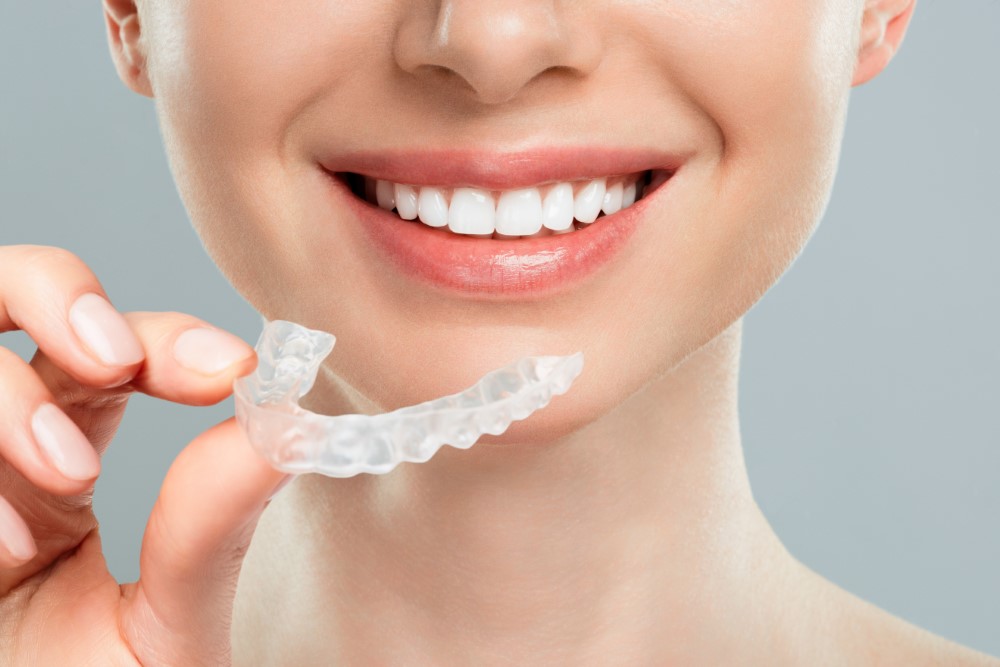
Invisalign is an orthodontic system that uses a series of clear, removable aligners to gradually move teeth into their ideal position. Unlike traditional metal braces, Invisalign aligners are nearly invisible and can be removed while eating, brushing, or for special occasions.
Each set of aligners is custom-made based on a digital scan of your teeth and is designed to make small, controlled adjustments over time.
Invisalign is commonly used to treat:
- Crowded teeth
- Gaps between teeth
- Overbite and underbite
- Crossbite
- Mild to moderate alignment issues
Average Invisalign Treatment Duration
One of the biggest advantages of Invisalign is its predictable timeline. However, treatment duration varies depending on individual dental conditions.
General Timeline
- Mild cases: 3 to 6 months
- Moderate cases: 6 to 12 months
- Complex cases: 12 to 18+ months
Most patients begin noticing visible improvements within the first few weeks of treatment.
Key Insight
The more consistently aligners are worn, the faster and more effective the treatment tends to be.
Factors That Affect Invisalign Treatment Duration
Several factors influence how long Invisalign takes to achieve results.
1. Severity of Misalignment
Mild spacing issues require less time compared to severe crowding or bite correction.
2. Patient Compliance
Aligners must be worn 20–22 hours per day for optimal results. Inconsistent use can significantly delay progress.
3. Complexity of Bite Issues
Correcting overbite, underbite, or crossbite may require longer treatment.
4. Age of the Patient
Younger patients may experience faster tooth movement, but adults also achieve excellent results with consistent use.
5. Treatment Planning Technology
Advanced digital planning ensures more accurate and efficient tooth movement.
Clinics such as Invisalign Dubai, Cornerstone Dubai, often use 3D scanning and simulation tools to predict treatment duration more accurately.
Step-by-Step Invisalign Treatment Process
Understanding the process helps set realistic expectations.
Step 1: Initial Consultation
The dentist evaluates your teeth, bite alignment, and overall oral health to determine if Invisalign is suitable.
Step 2: Digital Scanning
A 3D scan of your teeth is taken to create a precise treatment plan.
Step 3: Custom Aligner Fabrication
A series of aligners are created specifically for your teeth movements.
Step 4: Wearing Aligners
Patients wear each set of aligners for 1–2 weeks before switching to the next set.
Step 5: Progress Checkups
Regular visits ensure that teeth are moving according to plan.
Step 6: Completion and Retainers
Once treatment is complete, retainers are used to maintain results.
What to Expect During Invisalign Treatment
Patients often want to know what daily life will be like during treatment.
Appearance
- Aligners are nearly invisible
- Most people will not notice you are wearing them
Comfort
- Mild pressure is normal when switching aligners
- Discomfort usually lasts only a few days
Daily Routine
- Aligners are removable for eating and brushing
- No dietary restrictions compared to braces
Speech Adjustment
- Slight lisp may occur initially but usually disappears within a few days
How Fast Will You See Results?
One of the most motivating aspects of Invisalign is early visible improvement.
Early Changes
- Slight tooth movement within 2–4 weeks
- Improved alignment in visible areas
Mid-Treatment Progress
- Noticeable correction of spacing or crowding
- Improved bite alignment
Final Outcome
- Fully aligned teeth
- Improved smile symmetry
- Better oral function
Benefits of Invisalign Treatment
Invisalign offers several advantages over traditional braces.
Aesthetic Appeal
Clear aligners are discreet and nearly invisible.
Comfort
No metal brackets or wires reduce irritation.
Convenience
Aligners are removable, making eating and cleaning easier.
Predictable Results
Digital planning allows precise treatment forecasting.
Improved Oral Hygiene
Teeth can be cleaned normally without obstruction.
Common Challenges During Treatment
While Invisalign is comfortable, some challenges may occur.
Discipline Requirement
Wearing aligners consistently is essential for success.
Temporary Discomfort
Mild pressure is normal when switching aligners.
Forgetting Aligners
Removing aligners and not reinserting them on time can delay progress.
Staining Risk
Drinking colored beverages while wearing aligners can cause discoloration.
Tips to Achieve Best Results
Following best practices ensures efficient treatment.
Wear Aligners as Recommended
20–22 hours daily wear is essential.
Maintain Oral Hygiene
Brush and floss regularly before reinserting aligners.
Clean Aligners Properly
Use mild cleaning solutions to avoid buildup.
Attend Regular Checkups
Monitoring ensures treatment stays on track.
Avoid Eating with Aligners
Only remove them during meals.
Invisalign vs Traditional Braces
Understanding the difference helps patients make informed choices.
Invisalign
- Clear and removable
- More comfortable
- Easier hygiene
- Suitable for mild to moderate cases
Braces
- Fixed in place
- Effective for complex cases
- No compliance requirement
- More visible
Both options are effective, but Invisalign is preferred for aesthetics and convenience.
Long-Term Expectations After Treatment
After Invisalign treatment is complete, maintaining results is essential.
Retainers
- Must be worn as instructed
- Prevent teeth from shifting back
Stability Period
- Teeth naturally settle over time
- Retainers ensure long-term alignment
Oral Health Maintenance
- Regular dental visits
- Good hygiene habits
Without retainers, teeth may gradually shift back to their original position.
Emotional and Lifestyle Impact
Invisalign not only improves dental alignment but also boosts confidence.
Patients often report:
- Increased confidence when smiling
- Improved self-image
- Better social comfort
- Motivation for better oral care
The transformation is both physical and psychological.
Conclusion
Invisalign is a highly effective and modern orthodontic solution that offers predictable results with minimal disruption to daily life. While treatment duration varies depending on individual needs, most patients begin seeing noticeable improvements within weeks and achieve full results within several months to a year.
With advanced orthodontic planning and patient-focused care available at clinics such as Invisalign Dubai, Cornerstone Dubai, patients can expect precise, comfortable, and aesthetically pleasing outcomes.
Ultimately, success with Invisalign depends on consistency, proper care, and following professional guidance throughout the treatment journey.
FAQs
How long does Invisalign treatment take?
Treatment usually takes between 3 to 18 months depending on case complexity.
Is Invisalign painful?
It is not painful, but mild pressure may be felt when switching aligners.
Can I eat with Invisalign aligners?
No, aligners should be removed before eating or drinking anything other than water.
How often do I need checkups during Invisalign?
Checkups are typically scheduled every 6–8 weeks.
Will Invisalign affect my speech?
There may be a slight adjustment period, but most patients adapt quickly within a few days.
Do I need retainers after Invisalign?
Yes, retainers are essential to maintain teeth alignment after treatment is completed.