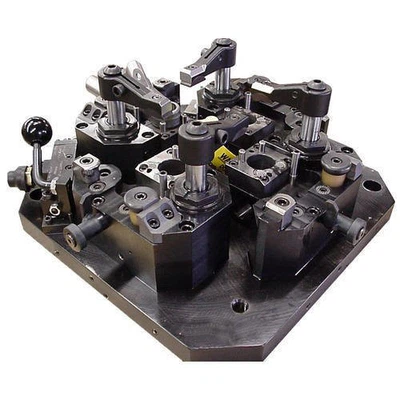
CNC machining continues to evolve with faster spindles, smarter controls, and multi-axis capabilities. Yet, the true performance of any machining center depends on how securely and accurately the workpiece is held in place. Jig and fixture design is a decisive factor in achieving stable operations, consistent tolerances, and higher production throughput. When workholding systems are engineered with precision, manufacturers can unlock the full potential of their CNC equipment without increasing operational risk.
Optimizing output is not only about reducing cycle time. It also involves minimizing setup delays, improving repeatability, and reducing scrap. Advanced jigs and fixtures tooling systems create a controlled machining environment where each component is positioned identically. Properly developed jig and fixture design devices enhance dimensional stability and allow manufacturers to maintain strict quality standards even in high-volume production settings.
Building a Stable Foundation for CNC Efficiency
The efficiency of CNC operations begins with reliable workholding. Even slight part movement during machining can cause surface imperfections or dimensional errors. A stable fixture system prevents these issues by securing the component firmly and distributing clamping forces evenly.
Precision Positioning for Consistent Results
Accurate positioning eliminates variability between production cycles. Custom jigs incorporate hardened locating pins and reference surfaces that guide the workpiece into an exact position. This repeatable alignment reduces dependency on operator adjustments and ensures identical setups across shifts. Reliable jig and fixture design devices contribute directly to predictable machining outcomes and smoother inspection procedures.
Reducing Vibration and Mechanical Stress
High-speed machining generates strong cutting forces that can shift or distort unsupported parts. Well-engineered fixtures absorb and distribute these forces to prevent deflection. Reduced vibration not only improves surface finish but also extends cutting tool life. By stabilizing the machining process, advanced jigs and fixtures tooling systems protect both equipment and finished components from unnecessary damage.
Enhancing Productivity Through Smart Workholding
Productivity improvements often come from refining supporting systems rather than upgrading machines. Custom workholding solutions streamline operations and minimize wasted motion during setup and machining.
Faster Setup and Changeover Efficiency
Reducing preparation time between production runs directly increases output. Custom-designed fixtures allow quick part loading through predefined locating features and secure clamping mechanisms. Key benefits include:
-
Shorter setup times between batches
-
Reduced risk of alignment mistakes
-
Increased spindle uptime and workflow continuity
These advantages allow manufacturers to meet strict delivery deadlines without compromising quality or increasing labor costs.
Improved Accuracy and Lower Scrap Rates
Consistent positioning ensures that every workpiece is machined under the same conditions. Stable clamping reduces the risk of dimensional drift and misalignment. As a result, scrap rates decrease and rework becomes less frequent. Benefits include:
-
Enhanced dimensional repeatability
-
Better surface finish consistency
-
Stronger quality assurance performance
Optimized jig and fixture design devices create a controlled environment where precision becomes standard rather than occasional.
Engineering Considerations for Advanced Fixtures
Developing effective workholding systems requires careful evaluation of materials, geometry, and machining requirements. Each fixture must balance strength, accessibility, and adaptability.
Structural Integrity and Material Choice
The structural framework of a fixture determines its reliability under heavy machining loads. Hardened steel components provide durability and resistance to wear. Lightweight alloys may support modular elements for flexibility. Strong structural integrity ensures that jigs and fixtures tooling systems maintain alignment even during aggressive cutting operations. Proper material selection directly impacts longevity and cost efficiency.
Accessibility and Tool Path Optimization
Effective fixture design must allow clear tool access without obstruction. Clamps and supports are strategically positioned to avoid interfering with cutting paths. Adequate clearance improves machining efficiency and reduces the need for repositioning. Smart jig and fixture design integrates stability with operational flexibility to support complex part geometries.
Integrating Workholding with Modern CNC Technology
As CNC technology advances, workholding systems must adapt to automation and digital integration. Multi-axis machines and robotic handling systems require fixtures that support seamless operation.
Automation-Ready Fixture Systems
Modern production environments increasingly rely on robotic loading and automated clamping. Fixtures designed for automation enhance consistency and reduce manual intervention. Pneumatic or hydraulic clamping mechanisms apply controlled pressure for precise positioning. Sensors integrated into jig and fixture design devices can monitor clamping force and alignment in real time, improving process reliability and data-driven decision-making.
Supporting Multi-Axis Machining Capabilities
Five-axis machining allows manufacturers to process complex geometries in fewer setups. Custom fixtures enable secure positioning while maintaining access to multiple faces of the part. This capability reduces handling time and preserves dimensional accuracy. Advanced jigs and fixtures tooling systems ensure stability while accommodating intricate tool paths required in sophisticated CNC operations.
Long-Term Benefits of Optimized Jig and Fixture Systems
Strategic investment in workholding solutions delivers measurable returns over time. Although custom development requires engineering expertise, the operational gains outweigh the initial effort.
Reduced Operating Costs and Extended Tool Life
Stable workholding reduces vibration, which minimizes tool wear and machine stress. Lower scrap rates decrease material waste and production losses. Efficient jig and fixture design devices reduce downtime caused by misalignment or unexpected movement. These combined benefits lower overall operating expenses and improve profitability.
Competitive Strength in Precision Manufacturing
Manufacturers that prioritize high-quality workholding achieve consistent production output and reliable delivery schedules. Precision-focused jig and fixture design supports strict tolerance control and adaptability to evolving industry demands. In competitive markets, the ability to deliver accurate components efficiently creates a sustainable advantage.
Optimizing CNC output requires a comprehensive approach that includes intelligent workholding strategies. Custom jigs and fixtures remain essential in achieving precision, efficiency, and long-term operational success. By integrating advanced jig and fixture design principles into modern machining processes, manufacturers can enhance productivity, maintain superior quality standards, and position themselves for continued growth in an increasingly demanding industrial landscape.