Original Mixed Media Art: Techniques, Materials, and What Makes Each Artwork Unique
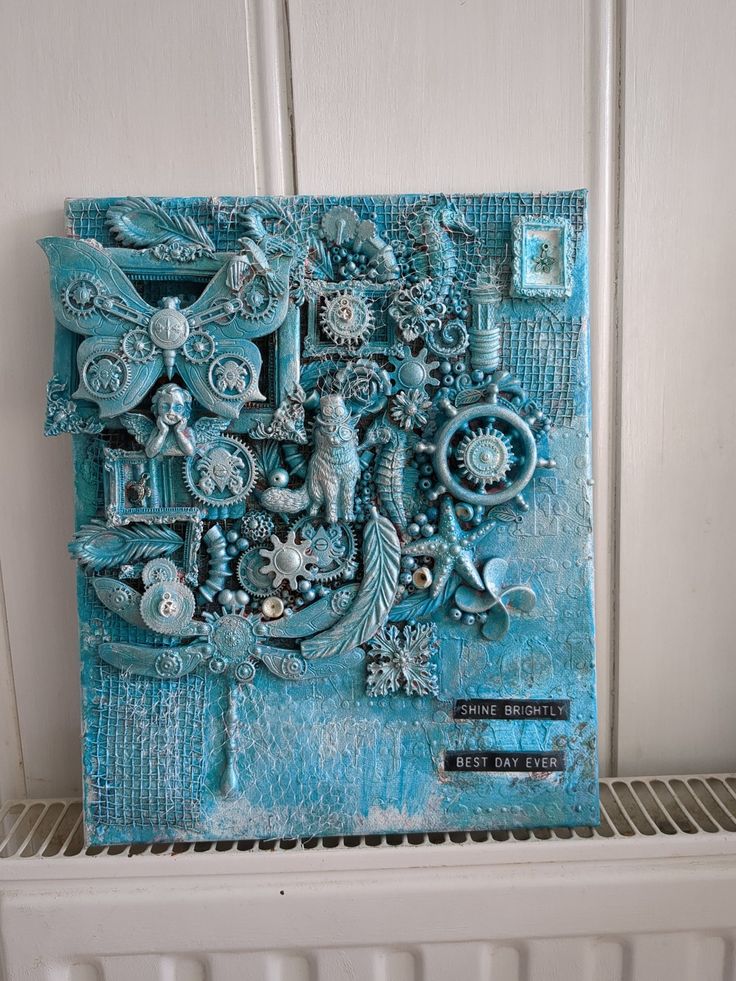
Art has always been a powerful form of human expression, but few mediums capture the imagination quite like Original Mixed Media Art. This dynamic approach to creativity combines traditional artistic techniques with unconventional materials, resulting in pieces that defy categorization and invite endless interpretation. Unlike paintings created with a single medium, mixed media artworks layer paint, fabric, paper, metal, wood, and found objects to produce textures and visual depth that simply cannot be achieved through any other method. The result is an artistic experience that engages multiple senses and tells a story that is as complex as the materials used to create it.
The demand for Original Mixed Media Art has grown substantially in recent years, driven by collectors, interior designers, and businesses seeking distinctive pieces that reflect individuality and sophistication. In a world where mass-produced decor dominates the market, mixed media art stands apart as a testament to human creativity and craftsmanship. Whether you are an art enthusiast looking to understand this medium, a business owner searching for a statement piece, or an aspiring artist exploring new creative frontiers, understanding the techniques, materials, and unique characteristics of mixed media art will deepen your appreciation and help you make informed decisions. This article provides a comprehensive exploration of this fascinating art form.
Understanding Original Mixed Media Art and Its Importance
Original Mixed Media Art represents a creative philosophy that rejects the limitations of traditional artistic categories. At its core, mixed media art involves the intentional combination of two or more artistic mediums within a single composition. An artist might begin with a watercolor base, layer acrylic paint over it, incorporate torn newspaper clippings, add textured fabric, and finish with metallic leaf or resin. Each layer contributes to the overall narrative, creating a visual and tactile experience that evolves the longer you observe it. The importance of this art form lies in its boundless potential for expression. Artists who work in mixed media are not constrained by the rules of any single discipline, allowing them to communicate emotions, ideas, and social commentary in ways that resonate on multiple levels. For collectors and businesses, owning an original mixed media piece means possessing something that cannot be replicated, a work that carries the artist’s unique vision and physical touch in every layer.
Importance of Professional Mixed Media Art in Modern Spaces
The presence of professional mixed media art in residential and commercial spaces has become a hallmark of refined design. Interior designers increasingly recommend original artworks as focal points that anchor a room’s aesthetic and spark conversation. Unlike prints or reproductions, an original mixed media piece carries an authenticity that elevates the entire environment. In corporate settings, mixed media art communicates innovation, creativity, and forward-thinking values to clients and employees. Hospitality businesses, including hotels and restaurants, use original art to create memorable atmospheres that distinguish their brand from competitors. The investment value of original mixed media art also deserves attention. As artists gain recognition, their early works often appreciate significantly, making art acquisition both a cultural and financial decision. Furthermore, supporting original artists contributes to a thriving creative economy, ensuring that diverse artistic voices continue to enrich our shared cultural heritage.
Techniques and Materials Related to Original Mixed Media Art
The techniques employed in creating original mixed media art are as diverse as the artists themselves. Collage remains one of the most foundational methods, involving the assembly of paper, photographs, and fabric onto a surface to build layered compositions. Assemblage takes this concept further by incorporating three-dimensional objects such as wood, metal, and found items into the artwork. Acrylic and oil painting frequently serve as the base or overlay in mixed media pieces, providing color and cohesion. Printmaking techniques, including screen printing and etching, are often integrated to add graphic elements. Artists may also employ encaustic painting, which uses heated beeswax mixed with pigments, to create luminous, textured surfaces. Materials commonly used include canvas, wood panel, paper, cardboard, fabric, thread, wire, glass, resin, sand, and natural elements like leaves or stones. Digital elements are increasingly incorporated as well, with artists printing digital images and manipulating them physically. The selection of materials is never random; each choice contributes to the artwork’s meaning, texture, and durability, making the creative process as significant as the final piece.
Choosing the Right Original Mixed Media Art for Your Space
Selecting the right Original Mixed Media Art requires thoughtful consideration of both aesthetic and practical factors. Begin by assessing the space where the artwork will reside. Consider the color palette, lighting conditions, and existing decor to ensure the piece complements rather than clashes with its surroundings. Scale is equally important; a large, textured piece can overwhelm a small room, while a subtle work may disappear in a spacious gallery-like setting. Think about the emotional response you want the art to evoke. Are you seeking something energizing and vibrant or contemplative and serene? Engage with the artwork personally, examining its details up close and observing how it changes from different viewing distances. Research the artist’s background, artistic philosophy, and exhibition history to understand the context of their work. If purchasing from a gallery, ask about provenance and care instructions. For businesses, consider how the art aligns with brand identity and whether it will withstand environmental factors like humidity or sunlight. Taking these steps ensures that your investment brings lasting satisfaction and enhances your space meaningfully.
Quality, Safety, and Industry Standards in Mixed Media Art
Quality and safety considerations are paramount in the creation and acquisition of original mixed media art. Professional artists use archival-quality materials to ensure their works endure for generations. This includes acid-free papers and adhesives, UV-resistant varnishes, and stable substrates that resist warping or deterioration. The use of non-archival materials can lead to yellowing, brittleness, and color fading over time, diminishing both the aesthetic and financial value of the artwork. Safety in the studio is equally important. Artists working with solvents, resins, and powdered pigments must follow proper ventilation and protective equipment protocols to safeguard their health. For collectors, understanding these standards helps in evaluating the longevity of a piece and making informed purchasing decisions. Reputable galleries and dealers provide documentation regarding materials and conservation practices. Additionally, original mixed media art should be displayed away from direct sunlight and extreme temperature fluctuations. Proper framing with museum-grade glass or acrylic can further protect delicate surfaces. By prioritizing quality and safety, the mixed media art community upholds professional standards that benefit artists, collectors, and the broader art market.
Benefits of Investing in Original Mixed Media Art
The benefits of investing in original mixed media art extend far beyond mere decoration. Owning a unique artwork provides daily inspiration and a tangible connection to the artist’s creative journey. Unlike reproduced prints, an original piece carries the artist’s direct touch, making it a personal and historically significant object. From a financial perspective, original art can appreciate over time, particularly when the artist’s career advances. Diversifying an investment portfolio with art offers potential tax advantages and a hedge against market volatility. For businesses, displaying original mixed media art demonstrates a commitment to culture and creativity, enhancing brand perception among clients and partners. The therapeutic and emotional benefits of living with art are well documented; it can reduce stress, stimulate conversation, and foster a sense of identity and belonging. Furthermore, purchasing original art supports living artists, enabling them to continue their practice and contribute to cultural discourse. Whether acquired for personal enjoyment or strategic investment, original mixed media art enriches lives and spaces in ways that mass-produced alternatives simply cannot match.
Future Trends and Industry Development in Mixed Media Art
The future of original mixed media art is poised for exciting evolution, driven by technological innovation and shifting cultural priorities. Digital tools are increasingly integrated into traditional practices, with artists using 3D printing, augmented reality, and digital projection to expand the boundaries of mixed media. Sustainability is becoming a central concern, with artists sourcing recycled materials, natural pigments, and eco-friendly adhesives to reduce environmental impact. The rise of online galleries and virtual exhibitions has democratized access to original mixed media art, allowing collectors from around the world to discover and acquire works without geographical limitations. Artificial intelligence is also emerging as a collaborative tool, assisting artists in generating ideas and patterns while preserving the essential human element of creativity. Social media platforms continue to amplify artist visibility, enabling direct relationships between creators and audiences. Additionally, the growing appreciation for diverse perspectives is leading to greater recognition of underrepresented artists in the mixed media field. As these trends develop, the market for original mixed media art is expected to expand, offering collectors and enthusiasts ever more diverse and innovative works to cherish.
Conclusion
Original Mixed Media Art stands as a vibrant and enduring testament to human creativity, offering artists a limitless canvas for expression and collectors a unique opportunity to own something truly singular. From the intricate layering of materials to the thoughtful selection of techniques, every aspect of mixed media art reflects intentionality and craftsmanship. As the art world continues to evolve, mixed media remains at the forefront of innovation, embracing new technologies while honoring traditional methods. Whether you are an artist seeking to explore this medium, a collector building a meaningful portfolio, or a business aiming to create an inspiring environment, original mixed media art offers unparalleled value. By understanding its techniques, materials, and unique qualities, you position yourself to make informed decisions that enrich your life and support the creative community. Embrace the extraordinary world of mixed media art and discover the endless possibilities it holds.