air conditioning installation grapevine tx
Installing a new air conditioning system is a significant investment for any homeowner or property owner in Grapevine, TX. A properly selected and professionally installed system can provide dependable cooling, improve indoor comfort, and support efficient operation during hot Texas summers. Understanding the installation process makes it easier to choose suitable equipment and prepare your property for the work. Whether you are replacing an aging unit or cooling a newly constructed space, careful planning can prevent costly mistakes. This guide explains the key factors to consider before, during, and after installation.
When Should You Consider a New AC Installation?
Knowing when replacement makes more sense than another repair can be challenging. Frequent breakdowns, inconsistent cooling, unusual operating sounds, rising energy consumption, and an aging system may indicate that replacement deserves consideration. An older air conditioner may continue operating while gradually becoming less efficient and more expensive to maintain. However, equipment age alone does not automatically mean replacement is necessary. A qualified air conditioning installation grapevine tx professional can inspect the system and explain whether repair, continued maintenance, or replacement is appropriate for your property.
Another common reason for installation is a change in the property’s cooling requirements. Home additions, renovations, insulation improvements, and changes in room usage can affect how much cooling the building needs. Installing a system without considering these changes can result in poor comfort or unnecessary energy use. Professional assessment helps determine whether the existing ductwork and electrical infrastructure can support new equipment. Taking this step before purchasing an air conditioner can make the installation process much smoother.
Choosing the Right Air Conditioning System
Selecting an air conditioner involves more than choosing a unit based on its advertised capacity or price. The correct system should be appropriate for the property’s size, layout, insulation, windows, occupancy, and other factors that influence cooling demand. An oversized system may cycle on and off too frequently, while an undersized system may struggle to maintain comfortable temperatures. A professional HVAC contractor can evaluate the property and recommend equipment based on its actual cooling requirements. This approach is more reliable than selecting a system solely from a basic square-footage estimate.
Modern systems are available with different efficiency ratings, features, and control options. Some property owners may prioritize lower operating costs, while others may place greater importance on advanced thermostats, quieter operation, or improved humidity management. Equipment should also be selected with future maintenance and replacement parts in mind. When comparing options, consider the expected operating conditions rather than focusing only on the initial purchase price. A system that is appropriate for the property and installed correctly can provide dependable performance for many years.
Understanding the Installation Process
A professional air conditioning installation typically begins with an evaluation of the existing system and the property where the new equipment will be installed. The technician may examine the current indoor and outdoor units, refrigerant lines, ductwork, electrical connections, drainage, thermostat, and available installation space. If the system is being replaced, the contractor should determine whether existing components are suitable for the new equipment. This evaluation can identify issues that might otherwise cause problems after installation. Proper preparation is an important part of achieving reliable system performance.
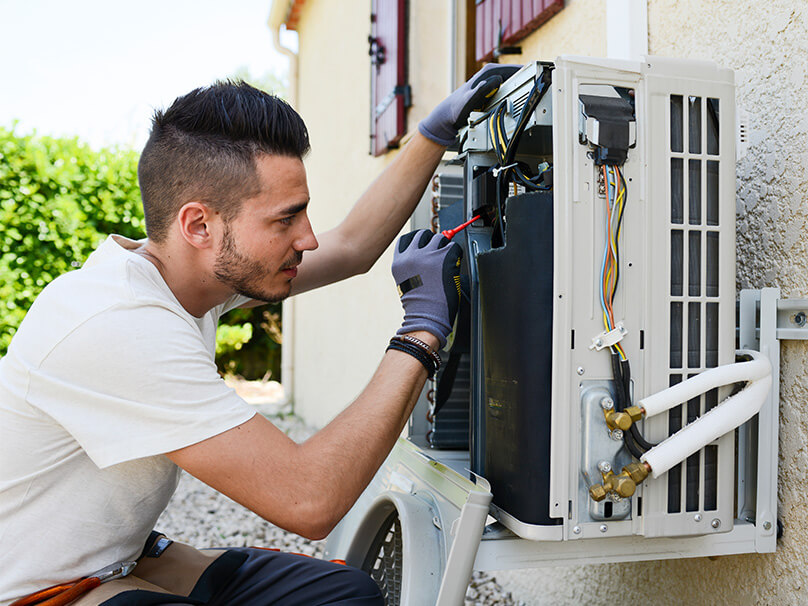
During installation, technicians position and connect the required equipment according to the manufacturer’s specifications and applicable building requirements. Depending on the project, this may involve installing an outdoor condenser, indoor air handler or evaporator coil, refrigerant lines, electrical connections, condensate drainage, and controls. The system should then be tested to confirm that components are operating correctly. Professional installation also includes checking airflow and ensuring that connections are secure. The exact process varies according to the type of system and the property’s existing infrastructure.
Preparing Your Property for Installation
Property owners can make installation day easier by clearing access to both indoor and outdoor equipment. Technicians need enough space to safely move equipment, use tools, and inspect connections. Outdoor installation areas should be free from unnecessary clutter, vegetation, or other obstructions that could interfere with the condenser. Indoors, access to the furnace, air handler, attic, utility area, or other installation location should be kept clear. Good preparation can help technicians work efficiently while reducing unnecessary delays.
It is also useful to discuss practical details with the contractor before the scheduled installation. Ask how long the project is expected to take, whether electrical or ductwork modifications may be required, and what will happen to the old equipment. If permits or inspections are applicable to the project, clarify who will handle them. You should also understand the payment schedule, equipment warranty, installation warranty, and maintenance recommendations. Having these details established in advance creates clearer expectations for everyone involved.
The Importance of Professional Installation
Even high-quality air conditioning equipment may perform poorly if it is installed incorrectly. Refrigerant connections, electrical components, airflow, drainage, equipment positioning, and system controls all need to be handled carefully. Improper installation can contribute to reduced comfort, excessive energy consumption, premature component wear, or repeated service problems. Professional installation provides an opportunity to ensure that the system is set up according to the equipment requirements. It also gives the property owner a qualified resource for questions and future maintenance.
This is especially important in Texas, where air conditioners can operate for long periods during the cooling season. A system that is correctly sized and installed can respond more effectively to demanding outdoor conditions. Contractors should also verify that the equipment is operating properly before considering the job complete. Testing the system allows potential installation issues to be identified while the technician is still on-site. For homeowners researching air conditioning installation grapevine tx, evaluating the contractor’s experience and installation process is therefore just as important as comparing equipment.
Comparing Installation Costs and Long-Term Value
The cost of installing an air conditioner can vary considerably depending on the equipment, property, installation complexity, ductwork condition, electrical requirements, and other project factors. A low initial estimate does not necessarily represent the lowest long-term cost. For example, an inexpensive system may have different efficiency characteristics or warranty coverage than a higher-quality option. Property owners should request detailed estimates that explain equipment, labor, included materials, warranty terms, and any additional work. Comparing proposals based on scope rather than price alone provides a more useful picture of overall value.
Maintenance should also be considered when evaluating the long-term cost of a new system. Routine filter replacement, professional inspections, coil care, drainage checks, and other recommended maintenance can help keep equipment operating properly. The exact maintenance requirements depend on the system and manufacturer recommendations. Ask the installing contractor what routine care the equipment requires and whether a maintenance agreement is available. Planning for maintenance from the beginning can help protect the investment and identify developing problems earlier.
Considering Nearby HVAC Installation Needs
Property owners sometimes need HVAC installation services outside their immediate community, particularly when managing multiple homes, rental properties, offices, or commercial locations. Businesses and property owners researching air conditioning installation arlington may have similar concerns involving equipment selection, system sizing, installation quality, warranties, and long-term maintenance. Although each property should be assessed individually, the same basic principles apply when comparing contractors. Experience with the local climate and common HVAC requirements can be useful when evaluating service providers.
When choosing a contractor, look beyond advertisements and consider practical evidence of professionalism. Ask about licensing, insurance, experience with the equipment you are considering, installation procedures, warranty coverage, and after-installation support. A reputable contractor should be willing to explain recommendations and answer questions without making the process unnecessarily complicated. Written estimates and clear service documentation are also valuable. These steps can help you make an informed decision based on the actual needs of your property.
Maintaining Your New Air Conditioning System
Once the installation is complete, proper maintenance becomes an important part of protecting the system. Homeowners should follow the manufacturer’s recommendations for filter replacement and routine care. Keeping outdoor equipment reasonably clear of debris can also support proper airflow around the condenser. Professional inspections can help identify issues involving electrical connections, refrigerant performance, drainage, airflow, and other components. Addressing small problems early may help prevent larger interruptions during periods of heavy cooling demand.
A new air conditioner represents a substantial investment, so maintaining it properly is essential for long-term value. Keep records of installation details, equipment information, warranties, service visits, and recommended maintenance. If performance changes, such as uneven cooling, unusual sounds, water around the equipment, or unexpectedly long operating cycles, appear, arrange a professional evaluation. For property owners considering air conditioning installation grapevine tx, the goal should not simply be to install a new unit. It should be to create a reliable cooling system that is properly matched to the property, professionally installed, and supported with appropriate ongoing care.