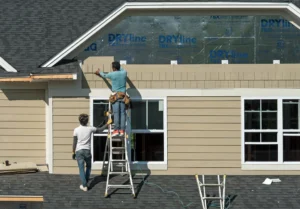
Your home’s exterior plays an important role in protecting the structure, maintaining energy efficiency, and creating a positive first impression. Siding is one of the most visible parts of that exterior, and its condition can influence both the appearance and long-term performance of your property. Cracked panels, fading colors, moisture damage, and loose materials can indicate that repairs or a complete upgrade may be necessary. Choosing the right professional for this work helps ensure that the materials, installation methods, and finishing details meet your home’s needs. A qualified Siding Contractor can evaluate your existing exterior, explain suitable replacement options, and help you make informed decisions about your renovation.
Exterior renovation involves more than selecting an attractive siding color. Homeowners must consider material durability, local weather conditions, maintenance requirements, insulation, and installation costs. Poor workmanship can lead to moisture intrusion, air leaks, warped panels, and expensive repairs. Working with an experienced professional helps reduce these risks while improving the overall appearance and performance of your home. By understanding what to look for during the selection process, you can choose a contractor who communicates clearly, follows appropriate installation practices, and delivers results that align with your budget and long-term expectations.
Understanding the Role of a Siding Professional
A siding professional is responsible for helping homeowners select, install, repair, and maintain exterior siding systems. Depending on the project, the work may involve removing old materials, inspecting the underlying wall structure, addressing moisture-related concerns, installing protective barriers, and securing new siding according to manufacturer guidelines. Each stage contributes to the performance and lifespan of the finished exterior. An experienced Siding Contractor should understand how different materials respond to temperature changes, rainfall, wind, sunlight, and everyday wear. The professional should also be able to identify potential problems beneath existing siding before they become more serious. Clear explanations of the proposed work, realistic project timelines, and careful attention to installation details are important signs of a reliable service provider. Homeowners benefit from choosing someone who considers the entire exterior system rather than focusing only on the visible panels.
Evaluating Experience and Professional Credentials
Experience is an important factor when comparing contractors for an exterior renovation. A company that has completed a variety of siding projects may be better prepared to handle unusual wall configurations, older homes, material compatibility issues, and unexpected damage discovered during installation. Ask potential contractors about similar projects they have completed and whether they have experience working with the siding material you prefer. Review their licensing requirements according to local regulations, verify appropriate insurance coverage, and ask whether their work is supported by written warranties. Online reviews and customer references can provide additional insight into punctuality, communication, workmanship, and how the company responds to concerns. Rather than relying entirely on advertising or the lowest quote, evaluate the evidence behind each contractor’s claims. A professional who answers questions directly and provides clear documentation is more likely to support a well-organized renovation process.
Comparing Siding Materials for Your Home
The right siding material depends on your property’s architectural style, climate, maintenance preferences, and available budget. Vinyl siding is popular because it comes in many colors and generally requires relatively little maintenance. Fiber cement offers a durable alternative with a range of finishes that can resemble wood or other traditional materials. Wood siding provides natural character but usually requires more frequent maintenance to protect against moisture, insects, and deterioration. Engineered wood and metal siding may also be suitable depending on the property’s design and environmental conditions. Each option has different installation requirements, expected service life, repair considerations, and upfront costs. A knowledgeable professional should explain these differences without pressuring you toward a particular product. When selecting a Siding Contractor, ask for recommendations based on your home’s specific requirements, including weather exposure, existing wall construction, and the level of maintenance you are prepared to provide. A balanced comparison helps you choose a material that offers both visual appeal and dependable performance.
Recognizing Signs That Your Siding Needs Replacement
Identifying siding problems early can help homeowners determine whether localized repairs or a larger renovation is necessary. Common warning signs include cracked or loose panels, peeling paint, persistent discoloration, soft spots, visible mold, and gaps around windows or exterior doors. Warping or bulging may indicate installation problems or moisture behind the siding, while unusually high heating and cooling bills can sometimes point to air leakage or inadequate insulation. However, energy costs alone do not confirm that siding is responsible, so a broader inspection may be needed. Water stains inside the home or deterioration around exterior joints deserve particular attention because moisture can damage wall sheathing and framing over time. During an assessment, a professional should inspect both the visible surface and accessible areas where hidden problems may exist. Repairing isolated damage may be sufficient in some cases, while widespread deterioration or repeated failures can make replacement a more practical long-term solution. Understanding the condition of your existing exterior allows you to plan the project before minor defects develop into costly structural concerns.
Understanding Estimates, Budgets, and Project Timelines
A detailed estimate makes it easier to compare contractors and understand the financial requirements of your renovation. The proposal should identify the siding material, approximate project area, labor costs, removal and disposal of existing siding, surface preparation, protective barriers, trim work, and any additional services included in the price. It should also explain how unexpected damage will be handled and whether those repairs require separate approval. Homeowners should ask about payment schedules, material availability, estimated start dates, and factors that could affect completion. Weather conditions, concealed moisture damage, and delivery delays can sometimes change a project’s timeline. An unusually low estimate may exclude essential preparation or finishing work, so it is important to compare the scope of each proposal rather than focusing only on the total price. A trustworthy professional will explain the cost breakdown and put important commitments in writing. Planning a realistic budget with a reasonable allowance for unforeseen issues helps prevent financial surprises while keeping the renovation organized.
Checking Communication, Warranties, and Workmanship Standards
Good communication can make a significant difference throughout an exterior renovation. Before hiring a contractor, determine who will supervise the project, how often progress updates will be provided, and whom you should contact if a concern arises. The agreement should outline the work to be completed, the materials being used, the expected schedule, payment terms, and procedures for approving changes. It is also important to understand the difference between a manufacturer’s material warranty and a contractor’s workmanship warranty. A material warranty may cover certain product defects under specified conditions, while a workmanship warranty addresses particular installation-related issues according to its terms. Ask for written copies and clarify exclusions, maintenance requirements, and claim procedures. During installation, appropriate surface preparation, correctly positioned flashing, properly managed joints, and adherence to manufacturer instructions all contribute to a dependable result. A professional who takes time to explain these details demonstrates a commitment to quality rather than simply completing the visible portion of the job.
Preparing Your Property for a Successful Siding Renovation
Homeowners can help the project run smoothly by preparing the property before the installation team arrives. Move outdoor furniture, grills, decorations, and movable planters away from the work area. Trim vegetation that blocks access to exterior walls, and discuss the protection of gardens, walkways, air-conditioning equipment, and nearby windows with the contractor. If vehicles are normally parked close to the house, arrange alternative parking where necessary. Inside the home, remove fragile items from walls that may experience vibration during construction. Families with children or pets should establish safe areas away from tools, ladders, debris, and active work zones. Before installation begins, confirm how old materials will be removed, where waste will be placed, and how the site will be cleaned at the end of each workday. After completion, walk around the property with the contractor to review the finished siding, trim, corners, and transitions around doors and windows. Document any concerns and confirm that agreed-upon corrections are completed. Careful preparation and a final inspection help ensure that the renovation meets the expectations established at the beginning of the project.
Conclusion
Choosing the right professional for an exterior renovation requires careful research, realistic budgeting, and an understanding of the materials and installation practices involved. Homeowners should evaluate experience, verify appropriate credentials and insurance, compare detailed estimates, and review written warranty terms before making a commitment. It is equally important to consider communication, preparation methods, and the contractor’s ability to identify problems that may exist beneath the current exterior. A well-planned siding project can improve curb appeal, strengthen protection against the elements, and support the long-term value of your property. Selecting a dependable Siding Contractor helps you approach the renovation with greater confidence and reduces the likelihood of avoidable complications. By prioritizing quality workmanship over price alone and choosing materials suited to your home’s needs, you can create an attractive, durable exterior that serves your household for years to come.