Professional natural hairstyles
Creating a polished hairstyle at home does not have to involve complicated techniques or hours in front of the mirror. With a few dependable products, basic tools, and a consistent routine, natural hair can be styled in ways that look neat and professional. Professional natural hairstyles can include defined curls, twists, low buns, puffs, braided styles, and other simple options. The best choice depends on your hair texture, length, schedule, and workplace environment. Learning a few reliable styles can make busy mornings easier while allowing you to wear your natural hair with confidence.
Prepare Your Hair Before Styling
Good preparation can make almost any natural hairstyle easier to create and maintain. Start with clean, conditioned hair when your chosen style requires freshly washed hair, and gently remove tangles before beginning. Working in smaller sections can make detangling more manageable and reduce unnecessary pulling. Depending on your hair’s needs, a leave-in conditioner or lightweight moisturizing product can improve softness and manageability. Taking a few extra minutes during preparation can help create a smoother finished style while minimizing excessive manipulation.
Your hair’s current condition should also influence your styling choices. If your strands feel unusually dry, brittle, or fragile, consider choosing a low-manipulation style instead of using extensive heat or repeated brushing. Avoid forcing tangled sections apart or pulling tightly on areas that feel sensitive. If you regularly experience breakage or scalp discomfort, consider discussing those concerns with a qualified professional. Healthy preparation provides a better foundation for creating attractive styles without placing unnecessary stress on natural hair.
Create a Defined Natural Curl Style
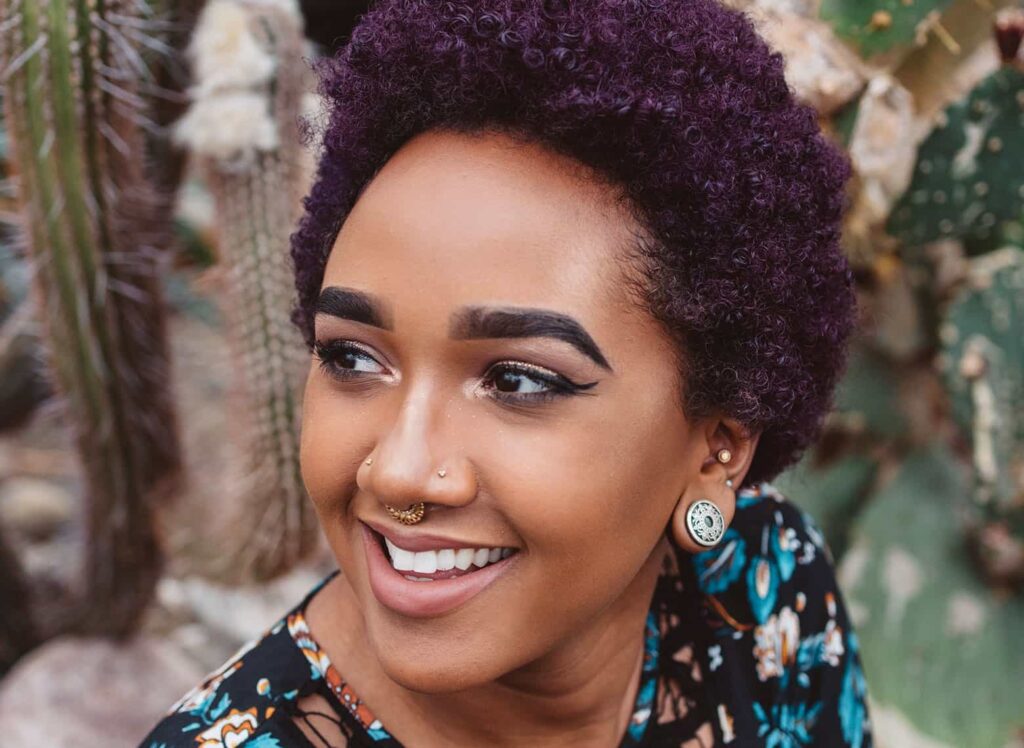
Defined curls can be one of the simplest professional natural hairstyles to create at home. After preparing your hair, apply a suitable styling product in sections and use your preferred technique to encourage your natural curl pattern. Depending on your texture, finger coiling, scrunching, or gentle raking may help create definition. Allow the hair to dry completely before manipulating it further to reduce frizz and preserve the shape. Once dry, gently separate the curls if additional volume is desired.
A defined curl style can be adapted to suit different workplace environments. You can keep the shape relatively compact for a more structured appearance or allow additional volume when your workplace has a relaxed professional culture. A simple side or middle part can also change the overall appearance without requiring a completely new style. Refresh only the areas that need attention the following morning instead of restyling the entire head. This approach saves time and reduces unnecessary handling.
Try a Simple Twist-Out
A twist-out can provide definition and volume while requiring relatively simple preparation. Divide damp or lightly moisturized hair into manageable sections and create two-strand twists according to your preferred size. Allow the twists to dry thoroughly before carefully unraveling them, using a small amount of product on your fingers if needed. Separate the resulting texture gently rather than repeatedly pulling through the hair. A light fluff at the roots can add shape while keeping the finished style controlled.
For a workplace-ready finish, consider keeping the overall shape balanced and well maintained. A defined twist-out can be worn loose or gathered partially away from the face. If your hair tends to become dry between styling sessions, use an appropriate moisturizing routine rather than repeatedly adding heavy products. Protecting the style at night can help preserve the definition for another day. With practice, a twist-out can become a dependable option for busy professional mornings.
Style a Low Natural Bun
A low bun is a practical choice when you want an organized hairstyle that works with many professional outfits. Start by gently gathering your hair toward the lower portion of your head without pulling excessively. Depending on your texture and length, you can use a soft hair tie or other gentle accessory to secure the base. Shape the remaining hair into a bun and secure it carefully without creating unnecessary tension. A small amount of suitable styling product can help smooth stray hairs when needed.
The low bun works especially well because it can complement a variety of clothing styles. It can look polished with tailored trousers, a blazer, a dress, or a simple business-casual outfit. If your hair is long or dense, avoid repeatedly creating the bun in exactly the same position to reduce stress on particular areas. Switching between low buns, loose styles, and other low-tension options can give your hair more variety. Comfort should remain a priority throughout the day.
Create a Polished Natural Puff
A natural puff can be an easy option for medium-length or longer textured hair. Begin by gently gathering the hair toward the desired position and use a suitable accessory to hold it in place. Avoid pulling the hairline too tightly because repeated tension can cause unnecessary stress around the edges. You can leave the curls naturally defined or lightly shape the outer portion for a more structured appearance. The result is simple, practical, and adaptable to many workplace settings.
The position of the puff can change its overall appearance. A high puff can create a more energetic silhouette, while a low puff can provide a softer and more understated look. Choose the placement based on your comfort and the level of formality expected in your workplace. A satin or silk accessory can also be useful at night for protecting the style and reducing friction. Refreshing the puff in the morning should be limited to the areas that actually need attention.
Experiment With Flat Twists
Flat twists can create an attractive professional hairstyle while keeping much of the hair secured. Divide the hair into sections and work gradually from the front or side toward the back, depending on the design you prefer. Keep the tension comfortable rather than pulling tightly against the scalp. The finished twists can be worn on their own, pinned into a low style, or combined with a simple updo. With practice, this technique can become easier and faster to complete at home.
Flat twists can also provide flexibility when you want your hairstyle to last for more than one day. At night, protect the twists using an appropriate satin or silk covering and avoid unnecessary manipulation. When you are ready to change the look, gently unravel the twists to create a textured twist-out effect. This gives you two styling options from one preparation session. Rotating between secured and loose styles can also help reduce daily manipulation.
Coordinate Your Hair With a Professional Capsule Wardrobe
Your hairstyle can become easier to manage when it works alongside a professional capsule wardrobe. A capsule wardrobe typically emphasizes versatile clothing pieces that can be mixed and matched for different professional occasions. Simple hairstyles such as low buns, defined curls, twists, and natural puffs can complement many combinations without requiring a completely different look every morning. Choosing versatile hairstyles can therefore simplify your overall preparation routine. Your hair becomes another consistent element of a polished personal style.
Think about the shapes, colors, and formality of the clothing you wear most often. A sleek low bun can complement structured tailoring, while defined curls may work naturally with softer business-casual pieces. Twists and other protective options can provide a dependable choice when your schedule is especially busy. The goal is not to match every hairstyle to a specific outfit but to build a collection of looks that work across your wardrobe. This approach can save time while helping your appearance feel coordinated.
Protect Your Hair During the Workweek
Maintaining a professional hairstyle requires attention after the initial styling session. Protect your hair at night and avoid unnecessary brushing, pulling, or restyling during the day. If your style needs a refresh, use gentle methods and focus only on the sections that have lost definition. Keep essential products simple so that you do not create excessive buildup. A consistent maintenance routine can help extend the life of your hairstyle while reducing the need for frequent manipulation.
It is also important to recognize when your hair needs a break from a particular technique. Frequent heat styling, tight ponytails, or repeated tension in the same areas can contribute to breakage over time. If your scalp feels uncomfortable or your hairline begins showing signs of stress, change your styling approach. A professional stylist can provide advice about techniques that may better suit your hair condition. If you notice persistent thinning, unusual hair loss, or scalp problems, consider seeking appropriate medical advice.
Build a Simple Weekly Styling Routine
A predictable routine can make creating professional natural hairstyles much easier. Choose one or two main styles for the week and plan your preparation around your schedule. For example, you might begin the week with a defined twist-out, transition to a low bun, and use flat twists when you need a longer-lasting option. This reduces the pressure to create a completely new hairstyle every morning. Planning also gives you more time to focus on maintaining healthy hair rather than constantly restyling it.
Keep your home styling tools and products organized so that your routine remains efficient. You may need only a few essentials, such as a wide-tooth comb, sectioning clips, suitable moisturizer, styling product, gentle hair ties, and nighttime protection. Avoid accumulating products simply because they are popular or heavily promoted. Pay attention to what your own hair responds to and maintain a consistent routine around those products. Over time, a simple system can make professional styling feel much more manageable.
Create Professional Styles With Confidence
You do not need advanced salon techniques to create polished natural hairstyles at home. Defined curls, twist-outs, low buns, natural puffs, and flat twists can all provide practical options for professional settings. The key is preparing your hair carefully, using gentle techniques, and selecting styles that suit your texture and daily schedule. Combining these looks with a professional capsule wardrobe can make your overall morning routine more efficient. Most importantly, your hairstyle should feel comfortable and manageable throughout the workday.
As you gain experience, you can adapt these basic techniques to create your own signature looks. Pay attention to which styles last well, which products work for your hair, and which methods require the least manipulation. Give your hair appropriate breaks from techniques that create tension or excessive heat. With patience and consistent care, styling at home can become an enjoyable part of your routine rather than a daily challenge. A professional appearance and healthy natural hair can work together when your styling choices are thoughtful and sustainable.