A carpet may look dry after a water incident, but hidden damage often remains beneath the surface. Moisture can weaken carpet backing, loosen adhesives, and create ripples that affect both appearance and safety. Many homeowners focus on drying alone and overlook the importance of restoring the carpet’s original shape. During the recovery process, searching for Carpet stretching near me can help identify professionals who can correct damage and prevent costly flooring problems later.
How Water Damage Affects Carpet Structure
Water can significantly alter the structure of a carpet. Even after drying, the fibers and backing may not return to their original position. As moisture penetrates deeper layers, materials can expand unevenly. This process often causes wrinkles, waves, and loose sections that make the carpet appear worn and damaged.
The severity of the problem depends on how long the carpet remains wet. Clean water from a minor leak may cause limited distortion, while flooding often creates widespread stretching issues. Restoring the carpet quickly helps reduce permanent damage and improves the chances of successful recovery.
Why Carpet Stretching Is Necessary After Water Damage
Many people assume that drying a carpet solves the entire problem. However, drying alone does not remove wrinkles or restore tension. Carpet stretching helps return the flooring to its proper position, eliminating buckles and uneven areas that developed during water exposure.
A properly stretched carpet sits securely across the floor. This process improves appearance, extends carpet life, and reduces the risk of future damage. Professional restoration often includes stretching because it addresses structural issues that drying equipment cannot fix.
Safety Risks Caused by Loose Carpet
Water-damaged carpets often develop raised sections and ripples. These uneven areas create tripping hazards for family members, visitors, and pets. Even small wrinkles can increase the risk of falls, especially in hallways and high-traffic areas.
Loose carpet may also shift underfoot, creating instability while walking. Addressing these problems through carpet stretching improves safety and restores confidence when moving through the space. A flat surface contributes to a safer and more comfortable environment.
Preventing Permanent Carpet Damage
Water exposure can weaken carpet materials over time. Wrinkles that remain untreated often become more pronounced with daily foot traffic. As people walk across loose areas, fibers experience additional stress and wear.
Stretching the carpet shortly after drying helps prevent these issues from becoming permanent. The process redistributes tension evenly across the floor and reduces strain on vulnerable sections. Taking action early can save homeowners from premature carpet replacement expenses.
How Moisture Leads to Carpet Wrinkles
Expansion and Shrinkage of Carpet Materials
Most carpets contain multiple layers that respond differently to moisture. Some materials expand when wet, while others contract as they dry. This uneven movement creates tension imbalances that result in visible waves and buckling.
Once drying occurs, the carpet may remain in a distorted shape. Stretching corrects these irregularities by pulling the carpet back into proper alignment. This step ensures the flooring maintains a smooth and professional appearance.
Weakening of Carpet Backing
The backing provides support and stability for carpet fibers. Extended exposure to water can weaken this foundation, reducing its ability to hold the carpet firmly in place. As backing materials deteriorate, loose sections become more common.
Professional carpet stretching compensates for these changes by restoring proper tension. This adjustment helps stabilize the carpet and reduces movement that can cause additional wear.
The Connection Between Carpet Stretching and Mold Prevention
Moisture trapped beneath a loose carpet creates an environment where mold can develop. Wrinkles and lifted sections often allow pockets of dampness to remain hidden from view. These areas may stay wet longer than the surrounding flooring.
Stretching the carpet improves contact with the underlying surface and allows restoration professionals to identify lingering moisture concerns. Combined with thorough drying, this process helps reduce conditions that encourage mold growth and unpleasant odors.
Signs Your Carpet Needs Stretching After Water Damage
Recognizing early warning signs can help prevent larger restoration issues. Homeowners should inspect their carpet carefully after any water-related incident.
Common signs include:
- Visible wrinkles or ripples
- Loose sections near walls
- Buckling across large areas
- Uneven walking surfaces
- Carpet that shifts underfoot
- Gaps along edges or corners
Addressing these signs quickly often leads to better restoration results and lower repair costs.
How Professionals Perform Carpet Stretching
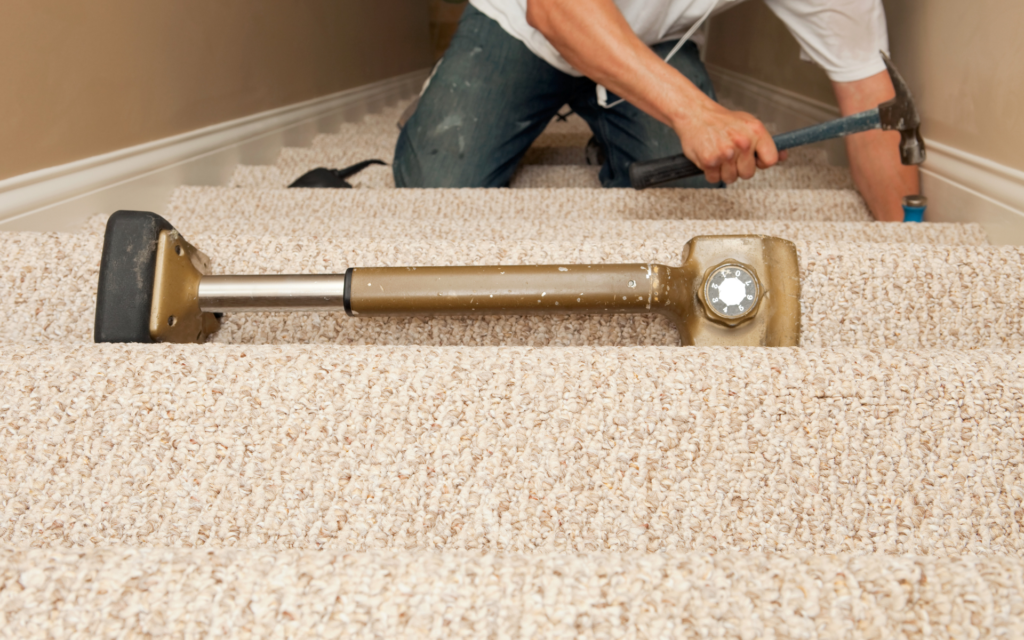
Professional carpet stretching involves specialized tools and techniques designed to restore proper tension. Restoration experts assess the extent of damage before determining the best approach for the affected area.
Technicians typically remove portions of the carpet from the tack strips along the room perimeter. Using power stretchers, they carefully pull the carpet back into position. Once the desired tension is achieved, the carpet is reattached securely to create a smooth and even surface.
Why DIY Solutions Often Fall Short
Some homeowners attempt to flatten wrinkles using household tools or by manually pulling the carpet. While these methods may provide temporary improvement, they rarely address the root cause of the problem.
Improper stretching can create additional damage or uneven tension across the floor. Professional equipment allows technicians to distribute force correctly and achieve long-lasting results. Investing in expert service often prevents future repair expenses and frustration.
The Financial Benefits of Timely Carpet Stretching
Replacing carpet can be a significant expense. Water damage already creates financial stress, making preservation an attractive option whenever possible. Stretching helps protect the investment homeowners have made in their flooring.
Timely restoration reduces wear caused by loose sections and prevents small issues from escalating. In many cases, professional carpet stretching restores functionality and appearance at a fraction of replacement costs. This makes it a practical choice for property owners seeking cost-effective recovery solutions.
How Carpet Stretching Improves Appearance
Water-damaged carpets can make an entire room look neglected. Wrinkles, waves, and uneven surfaces draw attention immediately and affect the overall appearance of the space.
Stretching restores a clean, smooth finish that enhances the room’s visual appeal. Furniture sits more evenly, and flooring looks professionally maintained. This improvement can be especially valuable for homeowners preparing to sell or rent a property.
Choosing the Right Restoration Professional
Not every contractor specializes in water-damaged carpet restoration. Selecting an experienced professional increases the likelihood of successful results. Look for providers with training in carpet repair, moisture assessment, and restoration techniques.
Reading reviews, requesting references, and verifying credentials can help homeowners make informed decisions. A qualified technician will evaluate both visible and hidden damage before recommending the appropriate restoration plan.
When Carpet Replacement May Be Necessary
Although stretching solves many post-water-damage issues, some situations require replacement. Carpets exposed to contaminated floodwater may pose health concerns. Severe mold growth or extensive backing deterioration can also make restoration impractical.
A professional inspection helps determine whether stretching remains a viable option. Honest assessments allow homeowners to choose the safest and most cost-effective solution for their specific situation.
Long-Term Maintenance After Restoration
Proper maintenance helps preserve restoration results and extend carpet life. Regular vacuuming removes debris that can wear down fibers. Prompt attention to spills reduces the risk of future moisture-related problems.
Scheduling periodic inspections can also identify developing issues before they become serious. Consistent care protects the carpet’s appearance and ensures the benefits of stretching last for years.
Conclusion
Water damage affects more than a carpet’s appearance. It can weaken structural components, create safety hazards, encourage mold growth, and shorten the lifespan of flooring materials. Carpet stretching plays a vital role in restoring proper tension, eliminating wrinkles, and protecting the investment homeowners have made in their carpets. Acting quickly after a water incident improves restoration outcomes and reduces long-term costs. By combining thorough drying with professional stretching services, property owners can restore comfort, safety, and appearance while avoiding unnecessary replacement expenses. Proper attention today can prevent far more significant problems in the future.