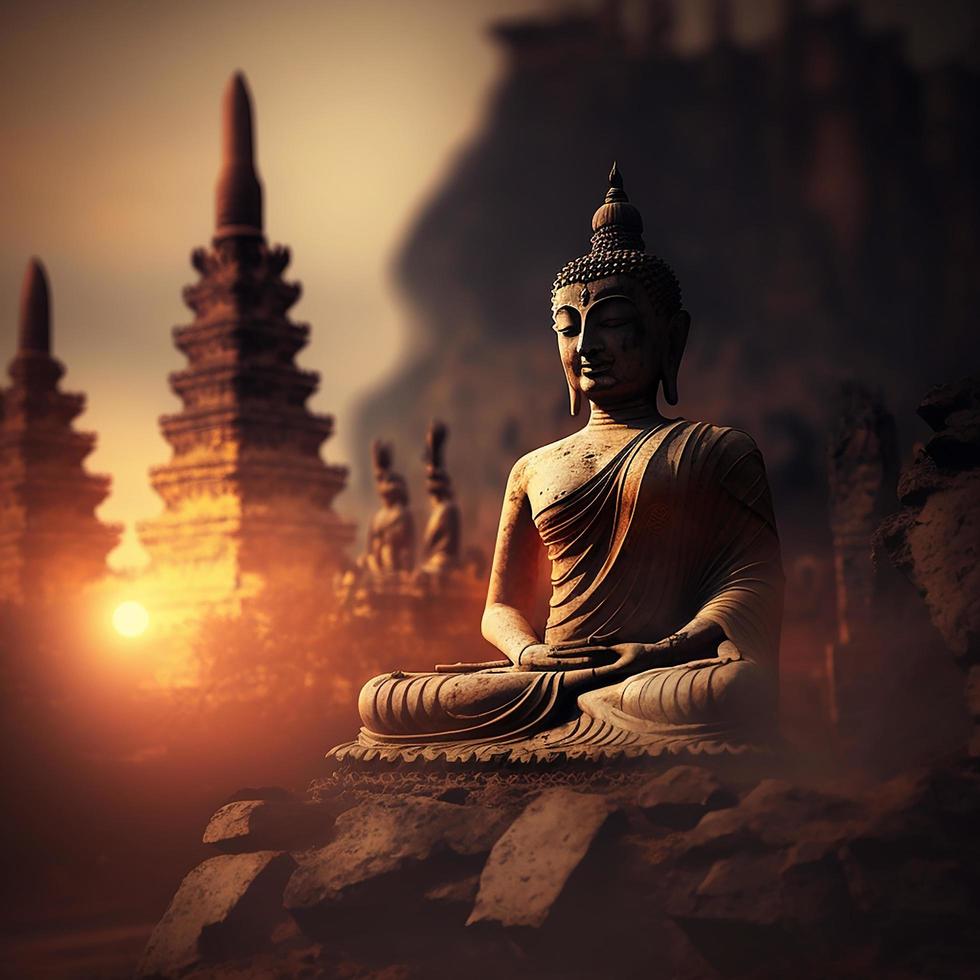
Buddhism, founded in the 6th century BCE by Siddhartha Gautama, has spread across continents, leaving behind a legacy of art, architecture, and spirituality. Best Buddhist Temples in the World are not only places of worship but also cultural landmarks that reflect centuries of devotion and craftsmanship. From serene monasteries in the Himalayas to grand temples in Southeast Asia, these sacred sites attract millions of pilgrims and tourists every year.
Introduction to Buddhist Temples
Buddhist temples are more than religious structures—they are centers of meditation, learning, and cultural preservation. Each temple reflects the local traditions of the region while staying rooted in the teachings of the Buddha. Their architecture often includes stupas, pagodas, statues, and murals that narrate stories of enlightenment and compassion.
Why Buddhist Temples Are Globally Significant
- Spiritual Value: They provide spaces for meditation, chanting, and rituals.
- Architectural Beauty: Temples showcase intricate carvings, murals, and statues.
- Cultural Heritage: They preserve traditions and foster community bonding.
- Tourism Appeal: Temples attract international visitors, boosting local economies.
- Educational Role: Many temples serve as centers for Buddhist philosophy and history.
Best Buddhist Temples in the World
1. Shwedagon Pagoda (Yangon, Myanmar)
- One of the most sacred Buddhist sites in Myanmar.
- Covered in gold and encrusted with diamonds and gems.
- Believed to house relics of four Buddhas.
- A symbol of devotion and national pride.
2. Mahabodhi Temple (Bodh Gaya, India)
- UNESCO World Heritage Site.
- Built at the site where Buddha attained enlightenment under the Bodhi tree.
- Pilgrims meditate near the sacred tree and visit monasteries built by international Buddhist communities.
3. Borobudur Temple (Java, Indonesia)
- The largest Buddhist monument in the world.
- Built in the 9th century, featuring nine stacked platforms and over 500 Buddha statues.
- UNESCO-listed and a major pilgrimage site.
4. Wat Pho (Bangkok, Thailand)
- Famous for the Reclining Buddha statue, 46 meters long.
- Known as a center for traditional Thai massage and medicine.
- A blend of spirituality and cultural learning.
5. Haeinsa Temple (South Korea)
- Houses the Tripitaka Koreana, a complete set of Buddhist scriptures carved on wooden blocks.
- Built in 802 CE, it is a major center of Korean Buddhism.
6. Jokhang Temple (Lhasa, Tibet)
- Considered the most sacred temple in Tibet.
- Built in the 7th century by King Songtsen Gampo.
- A pilgrimage site for Tibetan Buddhists, featuring golden statues and murals.
7. Todaiji Temple (Nara, Japan)
- Famous for its Great Buddha Hall, housing one of the largest bronze Buddha statues in the world.
- A UNESCO World Heritage Site and a symbol of Japanese Buddhism.
8. Angkor Wat (Cambodia)
- Originally a Hindu temple, later transformed into a Buddhist site.
- Known for its grandeur and intricate carvings.
- One of the largest religious monuments in the world.
9. Boudhanath Stupa (Kathmandu, Nepal)
- One of the largest spherical stupas in the world.
- A UNESCO World Heritage Site and a major pilgrimage center.
- Surrounded by monasteries and prayer wheels.
10. Lama Temple (Beijing, China)
- Also known as Yonghe Temple.
- Famous for its 26-meter tall statue of Maitreya Buddha carved from a single sandalwood tree.
- A blend of Han Chinese and Tibetan Buddhist traditions.
Festivals and Events at Buddhist Temples
- Buddha Purnima: Celebrated at Mahabodhi Temple and other sites.
- Hemis Festival: Held at Hemis Monastery in Ladakh, India.
- Losar (Tibetan New Year): Celebrated at Jokhang Temple and monasteries in India.
- Songkran Festival: Thai New Year celebrated at temples like Wat Pho.
Role of Buddhist Temples in Tourism
- Pilgrimage Tourism: Sacred sites attract millions of devotees.
- Cultural Tourism: Temples showcase art, music, and rituals.
- Economic Impact: Local businesses thrive around temple tourism.
- Global Appeal: Temples are promoted as heritage destinations worldwide.
Challenges in Preserving Buddhist Temples
- Overcrowding: Popular temples face heavy tourist footfall.
- Environmental Concerns: Pollution and climate change affect heritage sites.
- Commercialization: Excessive tourism can dilute spiritual essence.
- Preservation Issues: Ancient structures require careful conservation.
Sustainable Tourism in Buddhist Temples
- Promote eco-friendly practices at temple sites.
- Limit plastic use and encourage cleanliness.
- Support local artisans and communities.
- Educate visitors about Buddhist values of compassion and respect.
Future of Buddhist Temples Worldwide
- Digital Promotion: Virtual tours and online teachings.
- Global Collaboration: International Buddhist communities supporting temple preservation.
- Smart Infrastructure: Improved facilities for pilgrims and tourists.
- Cultural Integration: Linking temples with wellness and meditation retreats.
Conclusion
Best Buddhist Temples in the World are not just architectural marvels—they are living embodiments of peace, wisdom, and cultural heritage. From Myanmar’s golden Shwedagon Pagoda to Indonesia’s Borobudur, from India’s Mahabodhi Temple to Japan’s Todaiji, these temples offer journeys that are both spiritual and cultural. As global interest in Buddhism grows, these temples will continue to inspire travelers, scholars, and devotees, inviting them to experience the timeless teachings of the Buddha.