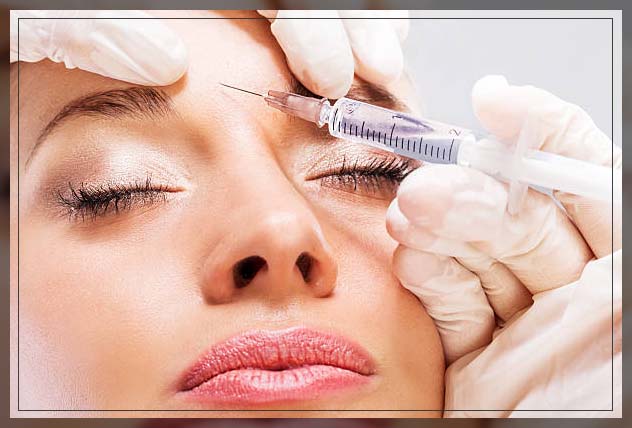
Botox treatments are often associated with smoother skin and a more refreshed appearance. However, achieving natural-looking results involves much more than selecting a few injection points. One of the most important considerations during treatment planning is understanding how facial muscles move. Every individual has different facial expressions, muscle strength, and movement patterns, which can influence how much Botox is needed and where it should be administered.
When someone smiles, frowns, raises their eyebrows, or squints, specific facial muscles contract and create temporary lines in the skin. Over time, repeated movements can make these expression lines more noticeable, even when the face is at rest. Botox works by temporarily reducing the activity of targeted muscles, allowing the overlying skin to appear smoother.
For individuals considering Botox Injections in Dubai, understanding the relationship between muscle movement and dosage decisions can help explain why treatment plans are not identical for everyone. Dr. Camellia Kamyab focuses on individual facial characteristics when considering aesthetic treatments, with the aim of maintaining facial balance and natural expression.
Understanding How Facial Muscle Movement Affects Wrinkles
Facial expressions depend on several muscles working together. These muscles contract and relax throughout the day, allowing people to communicate emotions and express themselves naturally. Although these movements are essential, repeated contractions can gradually contribute to the development of dynamic wrinkles.
Dynamic wrinkles are lines that appear when a facial muscle contracts. For example, horizontal forehead lines become visible when someone raises their eyebrows, while frown lines develop between the eyebrows when they concentrate or bring their brows together.
The strength and frequency of these movements vary between individuals. Some people naturally have stronger forehead muscles, while others use their muscles more actively around the eyes or between the eyebrows.
This variation is important when determining an appropriate Botox dosage. A person with stronger muscle activity may require a different treatment approach from someone with relatively mild facial movements. Therefore, understanding how the face behaves during different expressions is an essential part of personalised treatment planning.
Why Muscle Strength Matters When Determining Botox Dosage
Muscle strength is one of the primary factors considered when planning Botox treatment. Facial muscles differ in size, thickness, and activity, meaning that the same dosage may produce different outcomes in different individuals.
For example, someone with particularly active forehead muscles may have more noticeable horizontal lines when raising their eyebrows. Another individual may have comparatively weaker muscle activity but still experience visible wrinkles because of skin characteristics or repeated expressions.
During an aesthetic consultation, the practitioner may assess:
- Muscle strength: Stronger muscles may require a different dosage strategy to achieve the intended level of relaxation.
- Movement intensity: The amount of contraction during facial expressions helps determine which muscles need attention.
- Wrinkle visibility: Lines that appear only during movement may require a different approach from deeper lines visible at rest.
- Facial symmetry: Differences in muscle activity between the two sides of the face can influence injection placement and dosage.
- Individual anatomy: Muscle size, position, and surrounding facial structures all contribute to treatment decisions.
These considerations help create a treatment plan that addresses specific concerns without unnecessarily limiting normal facial movement.
How Different Facial Expressions Influence Injection Decisions
Each facial expression activates particular muscles. Understanding these movement patterns helps practitioners identify appropriate injection areas and determine how much treatment may be required.
Forehead Movement and Horizontal Lines
The frontalis muscle is responsible for raising the eyebrows. When this muscle contracts, horizontal lines appear across the forehead. People who frequently raise their eyebrows may develop more noticeable expression lines in this area.
The strength of the frontalis muscle influences dosage planning. However, treating this area requires careful consideration because excessive relaxation may affect eyebrow positioning or make the forehead appear less expressive.
The practitioner therefore evaluates how high the eyebrows naturally sit, how much the forehead moves, and whether the patient relies heavily on this muscle during everyday expressions.
Frowning and Glabellar Lines
The muscles between the eyebrows are responsible for creating vertical frown lines, commonly called glabellar lines or expression lines. These muscles contract when someone frowns, concentrates, or squints.
People with stronger contraction patterns may develop deeper lines in this area. During treatment planning, the practitioner evaluates the intensity of the frown and the individual arrangement of the surrounding muscles.
The goal is to soften unwanted lines while maintaining a natural eyebrow position and allowing comfortable facial expressions.
Smiling and Crow’s Feet
Crow’s feet develop around the outer corners of the eyes and become more noticeable when smiling or squinting. The orbicularis oculi muscle plays an important role in these movements.
Some individuals have stronger muscle contractions around their eyes, resulting in more prominent expression lines. Others may notice only fine lines when smiling.
Dosage decisions depend on the strength of the muscle, the appearance of existing wrinkles, and the desired treatment outcome. A balanced approach helps soften the lines without removing the natural character of a smile.
Why the Same Botox Dosage Does Not Work for Everyone
One common misconception about aesthetic treatments is that everyone needs the same number of Botox units for a particular facial area. In reality, dosage requirements can vary considerably.
Two people of the same age may have completely different facial muscle structures. One may have a naturally strong forehead muscle, while the other may have relatively subtle movement. Their skin quality, previous treatment history, and individual aesthetic goals may also differ.
Several factors explain these variations.
Facial anatomy: The size, position, and arrangement of facial muscles influence how the product should be administered.
Age and skin condition: Changes in skin elasticity and collagen levels can affect how wrinkles develop and appear.
Expression habits: People who frequently raise their eyebrows, squint, or frown may develop more noticeable dynamic lines.
Previous Botox treatments: Previous treatment responses can provide useful information about how an individual’s muscles respond to the product.
Desired appearance: Some patients prefer noticeable wrinkle softening, while others want to maintain more movement and simply achieve a refreshed appearance.
This is why Botox in dubai should involve an individual assessment rather than following a fixed dosage chart without considering facial characteristics.
The Importance of Assessing Facial Movement Before Treatment
A consultation is an important part of deciding how Botox should be administered. Instead of evaluating wrinkles only when the face is relaxed, the practitioner may observe how the facial muscles behave during different expressions.
Patients may be asked to raise their eyebrows, frown, smile, or gently squint. These movements provide useful information about muscle activity and help identify the areas contributing to visible expression lines.
The assessment may also involve examining:
- The depth and location of existing wrinkles.
- Whether lines remain visible when the face is relaxed.
- Differences in movement between the left and right sides.
- Natural eyebrow height and positioning.
- Areas where excessive muscle relaxation could affect facial balance.
This process helps the practitioner understand the relationship between muscle movement and the appearance of wrinkles.
Dr. Camellia Kamyab considers individual facial characteristics when planning aesthetic treatments, helping ensure that treatment decisions are based on the patient’s needs rather than a standardised approach.
How Botox Dosage Influences Natural Facial Expressions
The purpose of Botox is not necessarily to eliminate every facial movement. Instead, an appropriate treatment plan aims to reduce excessive muscle contractions that contribute to unwanted wrinkles.
Dosage plays an important role in determining the degree of muscle relaxation. A carefully selected amount can soften expression lines while allowing patients to continue smiling, speaking, and communicating naturally.
When the dosage is adjusted according to muscle strength, the treatment can address specific concerns without unnecessarily affecting surrounding muscles.
For instance, someone who wants softer forehead lines may not want their eyebrows to feel heavy or their expressions to appear restricted. Similarly, a patient concerned about crow’s feet may prefer a treatment approach that preserves the natural appearance of their smile.
The desired outcome should therefore be discussed before treatment. Understanding whether someone prefers subtle improvement or more noticeable wrinkle reduction helps guide the treatment strategy.
Can Uneven Muscle Movement Affect Botox Treatment?
Yes. Facial muscles do not always contract with equal strength on both sides of the face. Some individuals naturally raise one eyebrow higher than the other or have slightly different frowning patterns.
These differences can become more noticeable during facial expressions and may influence how wrinkles develop.
For this reason, practitioners should assess facial symmetry before determining injection placement and dosage. Treating both sides with exactly the same amount is not always the most appropriate approach.
A personalised treatment plan may consider the following:
- Differences in eyebrow movement.
- Uneven forehead muscle activity.
- Variations in the depth of frown lines.
- Differences in the appearance of crow’s feet.
- Existing facial asymmetry.
The objective is to create a balanced appearance while respecting the individual’s natural facial structure. Treatment decisions should be based on a professional assessment rather than assuming that both sides require identical injections.
What Happens When Botox Dosage Is Personalised?
Personalised Botox treatment begins with identifying the patient’s main concerns and understanding how their facial muscles contribute to visible wrinkles.
After evaluating facial movement and anatomy, the practitioner determines the appropriate injection areas and dosage. The treatment is then administered according to the agreed plan.
Botox does not produce immediate results. Its effects develop gradually as the targeted muscles respond to the treatment. Many patients begin noticing changes within three to five days, while the full results generally become more apparent within approximately 10 to 14 days.
The duration of results varies depending on individual factors, treatment areas, muscle activity, and the amount administered. Effects commonly last around three to four months, although some individuals may experience shorter or longer-lasting results.
A follow-up assessment can help evaluate the outcome and determine whether any adjustments may be appropriate for future treatments.
Personalisation is particularly important for patients who want to maintain natural facial expressions. Rather than focusing exclusively on wrinkle reduction, the treatment should consider how the face looks both during movement and at rest.
Choosing the Right Practitioner for Botox Treatment in Dubai
Selecting an experienced and appropriately qualified practitioner is an important part of achieving satisfactory aesthetic results. Botox treatment requires an understanding of facial anatomy, muscle function, injection techniques, and individual aesthetic requirements.
Patients considering treatment should look for a practitioner who takes time to understand their concerns rather than recommending a standard number of units for every patient.
A professional consultation should explain the proposed treatment areas, the reasoning behind dosage decisions, and the type of improvement that can realistically be expected.
Dr. Camellia Kamyab approaches aesthetic treatments with attention to individual facial characteristics and treatment goals. Patients considering Botox Injections in Dubai can discuss their concerns and explore an approach that considers their muscle activity, facial proportions, and desired appearance.
Choosing a personalised treatment plan can help patients make informed decisions and understand how Botox may fit into their aesthetic goals.
Conclusion
Muscle movement plays an important role in determining Botox dosage because facial muscles differ in strength, size, and activity. These differences influence how expression lines develop and how the face responds to treatment.
From forehead lines and frown wrinkles to crow’s feet, each treatment area requires consideration of the muscles responsible for its movement. Factors such as facial anatomy, expression habits, existing wrinkles, and individual preferences also contribute to dosage decisions.
Rather than following a fixed number of units, an individualised approach helps ensure that treatment is planned according to the patient’s facial characteristics. The objective is to soften unwanted wrinkles while preserving natural expressions and facial balance.
For anyone considering Botox in dubai, consulting an experienced practitioner such as Dr. Camellia Kamyab can be a valuable first step towards understanding suitable treatment options and developing a personalised aesthetic plan.
Frequently Asked Questions
1. Why does muscle movement matter when deciding Botox dosage?
Muscle movement helps determine how strongly particular facial muscles contract and contribute to expression lines. Understanding these patterns allows practitioners to select appropriate injection areas and dosage according to individual requirements.
2. Do stronger facial muscles require more Botox?
Stronger facial muscles may require a different dosage approach because they can produce more noticeable contractions. However, the appropriate amount also depends on muscle anatomy, treatment location, and the patient’s desired outcome.
3. Can Botox dosage differ between the forehead and eye area?
Yes. Different facial areas contain different muscles with varying sizes and functions. The dosage required for forehead lines may therefore differ from the amount used to address crow’s feet.
4. Does everyone receive the same number of Botox units?
No. Botox dosage is individualised according to facial anatomy, muscle strength, wrinkle severity, previous treatment history, and aesthetic goals. A professional assessment helps determine the appropriate amount.
5. Can Botox maintain natural facial expressions?
Yes. When carefully planned and administered, Botox can soften unwanted wrinkles while preserving natural facial movement. The treatment approach should reflect the patient’s preferences and avoid unnecessary muscle relaxation.
6. How long does Botox take to show results?
Initial changes may become noticeable within three to five days. More complete results generally develop over approximately 10 to 14 days, although individual responses can vary.
7. Does facial asymmetry influence Botox dosage?
Yes. Differences in muscle strength and movement between the two sides of the face can influence injection placement and dosage. A practitioner may adjust the treatment plan to address these variations.
8. How long do Botox results usually last?
Botox results commonly last around three to four months. However, the duration can vary depending on the treatment area, individual muscle activity, dosage, and personal response to treatment.
9. Should facial muscles be assessed before Botox injections?
Yes. Assessing facial muscles during different expressions helps identify the areas responsible for wrinkles and supports more accurate treatment planning. It also helps practitioners consider natural facial symmetry and movement.
10. Where can I discuss personalised Botox treatment in Dubai?
You can arrange a consultation with Dr. Camellia Kamyab to discuss your aesthetic concerns, facial muscle movement, and suitable treatment options. A personalised assessment can help determine an appropriate approach based on your individual requirements.