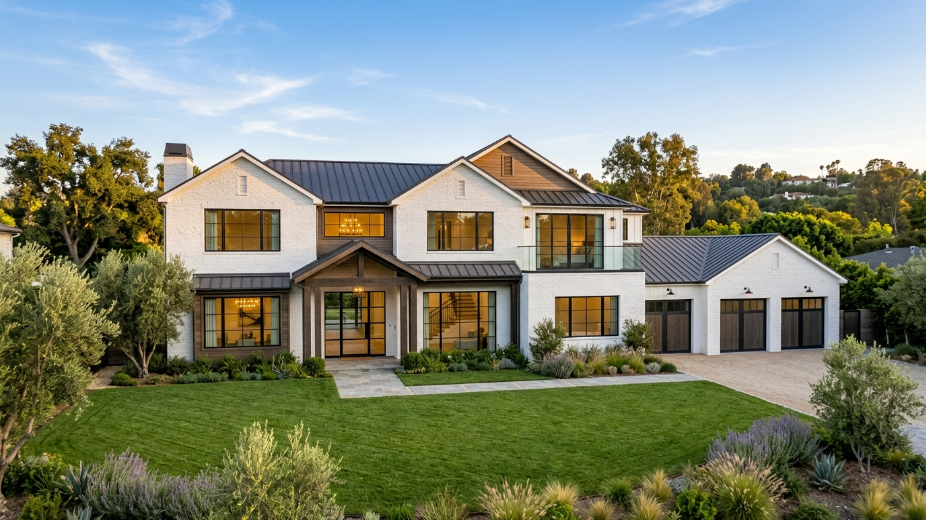
Building a custom home in Malibu, California, offers an opportunity to create a property that reflects your lifestyle, architectural preferences, and long-term goals. From ocean-view residences to contemporary hillside homes, Malibu provides a distinctive setting for luxury residential design. However, building in this coastal community involves challenges that require careful planning, professional guidance, and a realistic budget.
Working with an experienced custom home builder Malibu homeowners can trust can help you understand the construction process, identify potential obstacles, and make informed decisions. Property conditions, local regulations, coastal exposure, and construction costs can all influence how a project develops. Understanding these challenges before construction begins can help you prepare for a smoother building experience.
Understanding Malibu’s Unique Building Conditions
Malibu’s coastal landscape creates opportunities for distinctive home designs, but it also introduces site-specific challenges. Properties may be located on steep hillsides, near the coastline, or in areas with limited access. Each location requires an individual assessment before architectural plans are finalized.
A lot that appears suitable for construction may have limitations related to slope, drainage, soil stability, access, or applicable development regulations. These factors can influence the home’s footprint, foundation design, landscaping, and overall construction budget.
Before purchasing land or committing to a design, consult qualified professionals who can evaluate the property’s conditions. Early assessments can reveal potential issues before they become expensive changes during construction.
Navigating Permits and Local Regulations
Obtaining the necessary approvals is another important challenge when building a custom home in Malibu. New residential construction may require building permits, planning approvals, environmental reviews, and other authorizations depending on the property’s location and proposed development.
Coastal Development Requirements
Some properties are subject to California Coastal Commission requirements or local coastal development regulations. The applicable process depends on the property’s location, the proposed work, and the relevant jurisdiction.
Coastal rules may influence building placement, height, grading, landscaping, and other aspects of a project. Your design team should identify the applicable requirements before finalizing plans.
Zoning and Building Restrictions
Local zoning regulations, setbacks, height limits, easements, and other restrictions can affect the size and layout of a proposed home. Existing structures may also have conditions that need to be reviewed before renovation or redevelopment.
Working with professionals familiar with Malibu’s approval process can help you understand documentation requirements and anticipate potential revisions. Do not assume that a particular design will be approved until the relevant authorities have reviewed it.
Managing Hillside Construction and Soil Conditions
Hillside properties can offer impressive views and architectural opportunities, but they may require specialized engineering. Steep slopes, challenging access, and variable soil conditions can make construction more complicated than building on a relatively level site.
Foundation and Structural Engineering
Depending on the property, a project may require geotechnical investigations, specialized foundations, retaining walls, or slope-stability measures. These requirements should be evaluated by qualified engineers rather than estimated from the property’s appearance alone.
The results of site investigations can influence the home’s design, construction methods, schedule, and budget.
Drainage and Erosion Control
Proper drainage is essential for protecting a home’s foundation and surrounding land. Poorly managed runoff can contribute to erosion, water intrusion, and damage to landscaping or retaining structures.
A suitable drainage plan should be developed alongside the architectural and engineering plans. Addressing these details early can help reduce maintenance problems and construction changes later.
Preparing for Wildfire and Coastal Exposure
Malibu’s environment requires careful consideration of both wildfire risk and coastal conditions. The appropriate design choices depend on the property’s specific exposure, applicable regulations, and professional recommendations.
Wildfire-Resistant Design
Some Malibu properties are located in areas with significant wildfire exposure. Depending on the site and applicable requirements, homeowners may need to consider fire-resistant roofing, suitable exterior materials, protected vents, defensible space, and carefully planned landscaping.
Discuss applicable California building standards and local fire-safety requirements with your architect and builder. Insurance availability and costs may also be important considerations when evaluating a property.
Materials for Coastal Conditions
Salt air, moisture, sunlight, and wind can affect exterior finishes, metal components, windows, and other building materials. Selecting products appropriate for the local environment can help manage deterioration and ongoing maintenance.
Discuss corrosion resistance, weatherproofing, window performance, and exterior finish durability with your design team. The goal is to balance the desired appearance with long-term performance.
Controlling Construction Costs
Budget management is one of the most common challenges in custom home construction. The final investment depends on land costs, design complexity, labor, materials, engineering, permits, site preparation, and interior finishes.
Create a Detailed Budget
Before construction begins, request a detailed project estimate that identifies included work, allowances, exclusions, and expected payment milestones. Compare proposals carefully to understand whether they cover similar materials and services.
A lower initial estimate may not represent the lowest final cost if important items have been excluded.
Plan for Unexpected Expenses
Unforeseen site conditions, material changes, design revisions, and permit requirements can affect the budget. Establish a contingency reserve based on the project’s complexity and advice from qualified professionals.
Make major design and material decisions as early as practical. Changes made after construction begins may require additional labor, revised plans, or new approvals.
Choosing the Right Custom Home Builder
Selecting the right professional is essential when managing a complex residential project. When researching a custom home builder Malibu homeowners should evaluate more than photographs of completed properties.
Review Experience and Credentials
Ask potential builders about their experience with projects involving similar site conditions, architectural styles, and construction requirements. Request references and review completed work to understand their standards and approach.
Verify the contractor’s license through the California Contractors State License Board and confirm appropriate insurance coverage.
Understand the Contract and Communication Process
A written agreement should clearly describe the scope of work, payment schedule, responsibilities, change-order process, and other important terms. Understand how design decisions, unexpected conditions, and scheduling changes will be handled.
Regular progress updates help keep homeowners, architects, engineers, and construction teams aligned. Clear communication can also make it easier to identify concerns before they become larger problems.
Planning a Realistic Construction Timeline
Custom home construction involves several stages, including architectural design, engineering, permit reviews, site preparation, foundation work, framing, mechanical installations, finishing, and inspections.
The timeline varies based on the project’s complexity, approval requirements, weather, contractor availability, and material deliveries. Hillside engineering or coastal approvals may add planning time when applicable.
Ask your builder for a project schedule with key milestones and a process for reporting delays. Avoid making major moving or financial commitments based on an unconfirmed completion date.
Designing a Home That Balances Luxury and Functionality
A successful custom home should reflect your lifestyle while responding to the property’s physical conditions. Malibu homeowners may prioritize ocean views, natural light, indoor-outdoor living, privacy, and energy efficiency.
However, these features must be balanced with structural requirements, privacy considerations, energy standards, and applicable development restrictions.
Discuss window placement, shading, ventilation, storage, outdoor entertaining areas, and efficient building systems with your architect. Thoughtful planning can help create a comfortable home without overlooking practical needs or long-term maintenance.
How Reeland Investments Fits Into Your Real Estate Plans
Reeland Investments operates in California real estate, with a focus on luxury homes and new construction opportunities. Homeowners exploring a custom property project can visit the company’s website to learn more about its real estate services.
Before choosing any provider for a construction or real estate project, confirm the specific services offered, relevant qualifications, and contractual responsibilities.
Visit https://reeland-investments.com/ to explore Reeland Investments.
Frequently Asked Questions
What Is the Biggest Challenge of Building a Custom Home in Malibu?
The biggest challenge depends on the property. Coastal approvals, hillside engineering, soil conditions, wildfire requirements, budgeting, and construction access can all influence a project’s complexity.
Do I Need Special Permits to Build a Home in Malibu?
New construction generally requires applicable building permits. Depending on the location and proposed development, planning, coastal, grading, environmental, or other approvals may also be necessary.
Does Building on a Malibu Hillside Cost More?
Hillside construction can involve additional engineering, specialized foundations, retaining structures, drainage systems, and access considerations. Actual costs depend on the property’s conditions and proposed design.
How Can I Choose a Suitable Custom Home Builder in Malibu?
Review relevant experience, verify licensing and insurance, request references, compare detailed proposals, and ensure the builder communicates clearly about costs, scheduling, and project changes.
How Can I Reduce Construction Delays?
Complete site investigations early, coordinate the design team, identify required approvals, finalize major material selections promptly, and maintain regular communication with your builder.
Conclusion
Building a custom home in Malibu can be rewarding, but it requires careful planning to address coastal regulations, hillside conditions, wildfire exposure, construction costs, and scheduling challenges. Evaluating the property thoroughly and making informed design decisions can help reduce uncertainty throughout the process.
Choosing the right custom home builder Malibu homeowners can rely on is an important part of managing these challenges. Look for qualified professionals who understand the project’s requirements, communicate transparently, and provide a clear plan for handling potential obstacles.
With realistic expectations, detailed preparation, and appropriate professional guidance, you can work toward creating a custom home that reflects your vision while responding to Malibu’s distinctive environment.
Explore Reeland Investments at https://reeland-investments.com/ to learn more about its California real estate services and new construction opportunities.