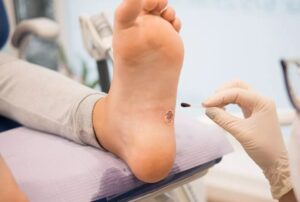
Moles are common skin features that can appear on different parts of the body and may vary considerably in colour, shape, size, and texture. While many people are comfortable with their moles, others may want a particular mole assessed or removed because of its appearance, location, or the way it interacts with clothing or everyday activities.
For anyone considering Mole Removal in London, the initial assessment is one of the most important stages of the treatment journey. Before deciding how a mole should be treated, a qualified practitioner needs to examine it carefully and understand the patient’s reasons for seeking removal.
The assessment is not simply a quick visual check. It can involve reviewing the mole’s characteristics, discussing its history, considering the patient’s medical background, and determining whether removal is appropriate. Once the assessment is complete, the practitioner can explain the available treatment options and what the next stage may involve.
Understanding what happens during this first appointment can help patients prepare questions, understand the treatment process, and make informed decisions about their care.
What Is a Mole?
A mole, medically known as a nevus, is a common skin growth that develops when pigment-producing cells called melanocytes cluster together.
Moles can appear anywhere on the skin and may be flat or raised. Their colour can range from pink or light brown to darker shades. Some moles remain relatively unchanged for many years, while others can naturally change as a person grows older.
Because moles can have many different characteristics, professional assessment is important before considering removal.
Why Do People Consider Mole Removal?
People choose to have moles assessed or removed for a variety of reasons.
A mole may be located in an area where it repeatedly catches on clothing, jewellery, or other objects. Some individuals may also dislike the appearance of a prominent mole, particularly when it is located on a visible part of the face or body.
Others may seek professional assessment because they have noticed a change in a mole and want it examined.
The reason for seeking treatment is personal, but the first step should always be an appropriate clinical assessment.
What Is Mole Removal in London?
Mole Removal in London refers to professional assessment and treatment of unwanted or clinically appropriate moles by qualified practitioners.
There are several methods that may be considered depending on the mole’s characteristics and the practitioner’s assessment. The approach may include procedures that remove the mole directly or other techniques selected according to the type and location of the lesion.
The appropriate method should never be chosen solely based on convenience or appearance. A practitioner needs to establish what type of mole is being assessed and whether removal is suitable.
Why Is the Initial Assessment Important?
The initial assessment provides the foundation for the entire treatment plan.
A practitioner needs to examine the mole carefully before deciding whether it is appropriate for removal and which technique should be considered.
During the assessment, the practitioner may evaluate the mole’s:
- Size
- Shape
- Colour
- Surface characteristics
- Position on the body
- Appearance in relation to surrounding skin
- History of changes
This information helps the practitioner determine the most appropriate next step.
What Happens When You Arrive for Your Appointment?
The initial appointment usually begins with a discussion about why the patient has requested an assessment.
The practitioner may ask how long the mole has been present and whether the patient has noticed any changes in its appearance.
The location of the mole and the patient’s reason for considering removal are also discussed.
This conversation gives the practitioner useful background information before examining the mole itself.
How Is a Mole Examined?
The practitioner visually examines the mole and the surrounding skin.
They may assess its size, shape, colour, surface, and overall appearance. The mole may also be examined using specialised equipment when appropriate.
The purpose is to gain a clearer understanding of the lesion and determine whether it appears suitable for the proposed treatment pathway.
If the practitioner believes further assessment is appropriate, they can explain what should happen next.
Discussing the Mole’s History
A mole’s history can provide useful information during an assessment.
The practitioner may ask when the mole first appeared, whether it has changed in size or colour, and whether its shape or surface has altered.
Patients should provide as much accurate information as possible.
It can also be helpful to mention whether the mole has previously been treated, examined, or photographed.
This background information allows the practitioner to consider the mole in context rather than examining it as an isolated feature.
Reviewing Medical and Treatment History
The initial consultation may also include questions about the patient’s general medical and treatment history.
Patients should provide accurate information about current medications, previous procedures, relevant skin treatments, and other factors that may affect the planned treatment.
The practitioner can use this information when considering whether mole removal is appropriate and which treatment pathway may be suitable.
A complete consultation allows the treatment plan to be tailored to the individual rather than relying on a standard approach.
What Happens If the Mole Is Suitable for Removal?
If the practitioner determines that the mole is appropriate for removal, they can discuss the available treatment options.
The recommended technique depends on the mole’s size, position, characteristics, and clinical assessment.
The practitioner can explain how the selected procedure works, how the area is prepared, what happens during treatment, and what aftercare will be required.
In some cases, treatment may be performed during a separate appointment rather than immediately after the initial consultation.
Understanding Mole Removal Treatment in London
Mole Removal Treatment in London can involve different approaches depending on the specific mole.
For some moles, a practitioner may recommend direct surgical removal. In other situations, another technique may be considered based on the lesion’s characteristics and location.
The treatment method should be selected after assessment rather than simply choosing the procedure that appears most convenient.
During the consultation, patients should ask why a particular technique has been recommended and what the treatment journey will involve.
What If Further Assessment Is Recommended?
Not every mole should automatically be removed simply because a patient requests treatment.
If the practitioner identifies a feature that requires additional evaluation, they can explain the recommended next step.
This may involve further clinical assessment or referral to an appropriate specialist or service.
The purpose is to make sure the mole has been appropriately evaluated before a cosmetic removal procedure is considered.
Patients should feel comfortable asking questions if they are unsure why additional assessment has been suggested.
Discussing the Treatment Area
The location of a mole is an important consideration when planning removal.
Moles on the face may require different planning from those on the trunk or limbs because the surrounding skin and visibility of the area can influence the treatment approach.
Moles located close to delicate structures may also require particular consideration.
The practitioner can explain how the location affects the proposed treatment and what to expect during the healing period.
Understanding the Expected Timeline
During the initial assessment, patients can ask about the overall treatment timeline.
This may include the time between consultation and treatment, the expected appointment duration, follow-up arrangements, and the general healing process.
The exact timeline varies according to the treatment method, size and location of the mole, and individual circumstances.
Patients with important work or social commitments may want to discuss scheduling before arranging treatment.
What Should You Ask During the Assessment?
A consultation is an opportunity for patients to ask questions and understand the recommended treatment.
Useful questions may include:
- What type of mole is being assessed?
- Is removal appropriate?
- Which removal method do you recommend?
- Why is this technique suitable for my mole?
- Will the mole be examined further before removal?
- How long will the treatment take?
- What should I expect during the healing period?
- Will I need a follow-up appointment?
- What aftercare will I need?
- When can I return to normal activities?
Asking these questions can make the treatment journey clearer.
Choosing a Mole Removal Clinic London
Selecting the right clinic is an important consideration for anyone researching Mole Removal Clinic London services.
Patients should consider practitioner qualifications, relevant experience, consultation quality, treatment methods, clinical standards, and aftercare arrangements.
A professional clinic should assess the mole before recommending removal and provide clear information about the proposed treatment.
Patients should also feel comfortable discussing their concerns and asking questions during the initial consultation.
For those considering bodyvie clinic, contacting the clinic directly can provide more information about mole assessment, available removal procedures, consultation arrangements, and the clinic’s treatment approach.
How to Prepare for Your Initial Assessment
Preparation for a mole assessment is generally straightforward.
Patients should be prepared to explain when they first noticed the mole and whether it has changed over time.
It is also helpful to provide accurate information about medications, previous treatments, and relevant medical history.
If the patient has photographs showing how the mole looked previously, these may provide useful background information for the practitioner.
Preparing questions in advance can also help ensure that important concerns are discussed during the appointment.
What Happens After the Initial Assessment?
After examining the mole, the practitioner discusses the findings and explains the recommended next steps.
If removal is appropriate, the practitioner can outline the proposed procedure, treatment timeline, and aftercare.
If additional assessment is required, they can explain why and provide guidance about what should happen next.
The patient can then consider the information and decide how they would like to proceed.
A professional consultation should give patients enough information to make an informed decision rather than pressuring them to proceed immediately.
Understanding Aftercare Before Treatment
Aftercare is an important topic to discuss during the initial assessment, even before the removal procedure takes place.
The practitioner can explain how the treated area will need to be cared for and what activities may need to be modified temporarily.
Patients can also ask about skincare, exercise, swimming, sun exposure, and returning to work.
Understanding these requirements before treatment makes it easier to plan the appointment around everyday responsibilities.
Can Multiple Moles Be Assessed?
Yes, patients can discuss more than one mole during a consultation.
If several moles are of concern, it is useful to identify all of them at the beginning of the appointment.
The practitioner can examine each area and determine whether the moles are appropriate for removal.
Depending on the number, location, and characteristics of the moles, the practitioner may recommend treating them during one appointment or arranging separate treatment sessions.
Why Individualised Mole Assessment Matters
Every mole is different. Even two moles located close together can have different characteristics and require different considerations.
A personalised assessment allows the practitioner to evaluate each lesion individually and select an appropriate treatment pathway.
This approach also gives patients an opportunity to understand why a particular procedure is being recommended.
Rather than viewing mole removal as a standard cosmetic procedure, patients should approach it as a process that begins with careful assessment.
Conclusion
Mole Removal in London begins with an important initial assessment designed to understand the characteristics of the mole and determine the most appropriate next step. The consultation typically involves discussing the mole’s history, examining its appearance, reviewing relevant medical information, and considering the patient’s reasons for seeking treatment.
For individuals considering Mole Removal Treatment in London, the assessment provides an opportunity to understand available treatment methods, expected timelines, aftercare, and follow-up arrangements.
Choosing an experienced Mole Removal Clinic London is also an important part of the process. Patients should consider practitioner qualifications, relevant experience, consultation standards, treatment options, and aftercare when selecting a provider.
For those considering bodyvie clinic, contacting the clinic directly can provide further information about its mole assessment and removal services, available treatment methods, and consultation process.
Ultimately, a well-structured initial assessment ensures that mole removal is approached thoughtfully and individually. By asking questions and understanding the recommended treatment plan, patients can make informed decisions about the next stage of their care.
FAQs
What happens during a mole removal assessment?
During an assessment, the practitioner discusses the mole’s history, examines its size, shape, colour, and appearance, reviews relevant medical information, and determines whether removal is appropriate.
What is Mole Removal in London?
Mole Removal in London refers to professional assessment and removal of suitable moles using an appropriate treatment method selected according to the mole’s characteristics and location.
What is Mole Removal Treatment in London?
Mole Removal Treatment in London includes professional procedures used to remove suitable moles following an appropriate assessment. The technique depends on factors such as the mole’s type, size, position, and characteristics.
Why does a practitioner examine a mole before removal?
An examination helps the practitioner understand what type of skin growth is being assessed and whether removal is appropriate. It also helps determine the most suitable treatment pathway.
What information should I provide during a mole assessment?
Tell the practitioner when you first noticed the mole, whether it has changed, whether it has been previously treated, and provide accurate information about medications, medical history, and previous skin procedures.
Can I have a mole removed during the initial consultation?
This depends on the clinic’s process, the practitioner’s assessment, and the type of mole. Some cases may be suitable for treatment during a separate appointment after the assessment.
What happens if further assessment is needed?
If a mole requires additional evaluation, the practitioner can explain the reason and recommend the appropriate next step before removal is considered.
Can several moles be assessed during one appointment?
Yes. Patients can discuss multiple moles during their consultation. The practitioner can assess each one and determine whether individual or combined treatment is appropriate.
How do I choose a Mole Removal Clinic London?
When choosing a Mole Removal Clinic London, consider practitioner qualifications, relevant experience, consultation quality, available treatment methods, clinical standards, and aftercare arrangements.
Can I have mole removal at bodyvie clinic?
If you are considering bodyvie clinic, contact the clinic’s professional team to ask about mole assessment, available removal procedures, consultation arrangements, and suitability for your individual requirements.
What should I ask during a mole removal consultation?
Ask whether removal is appropriate, which method is recommended, why that technique has been selected, whether further assessment is required, what the treatment timeline involves, and what aftercare will be needed.
How long does a mole removal consultation take?
The duration varies depending on the number of moles being assessed and the complexity of the consultation. The clinic can provide an estimated appointment duration when scheduling.
What happens after the mole assessment?
The practitioner explains the findings and recommended next steps. If removal is appropriate, they can discuss the treatment method, timeline, aftercare, and follow-up arrangements.
Is a professional assessment necessary before mole removal?
Yes. A professional assessment helps determine whether the growth is suitable for removal and which treatment approach is appropriate. It also provides an opportunity to identify cases where further evaluation may be needed.