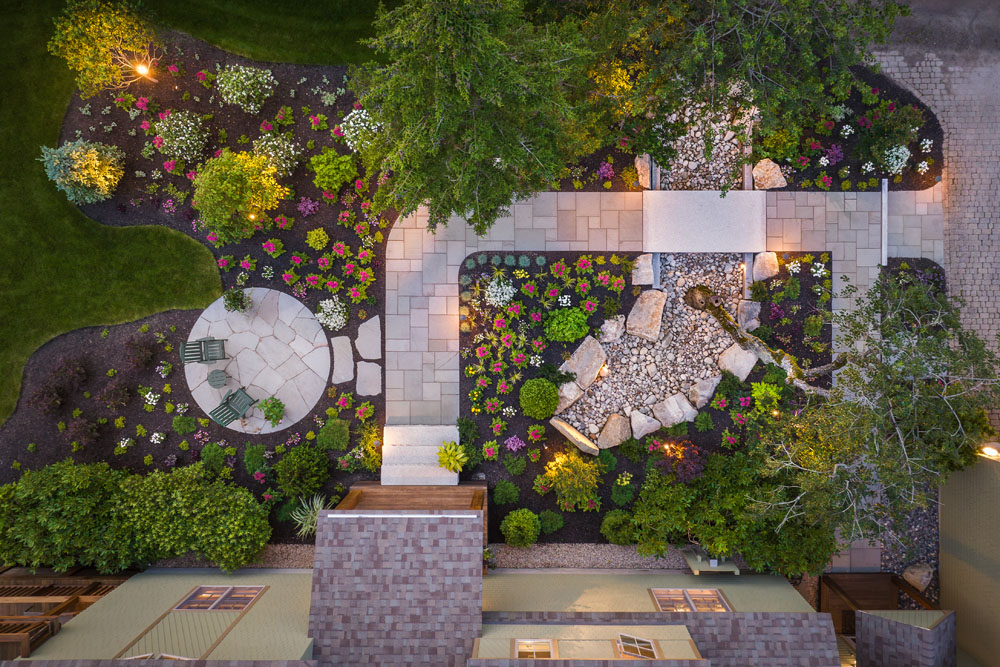
landscape design Anne Arundel County MD
Creating an attractive outdoor environment can make a significant difference in the appearance, functionality, and overall enjoyment of your property. Whether you have a small backyard, a spacious lawn, or a waterfront property, thoughtful landscaping can turn an ordinary outdoor area into a welcoming extension of your home. However, successful landscaping involves more than selecting attractive plants or installing decorative features. It requires careful planning, an understanding of local growing conditions, and the right combination of natural and structural elements. For homeowners exploring landscape design Anne Arundel County MD understanding the basics can make it easier to plan improvements that complement their property and lifestyle.
Anne Arundel County offers a variety of residential landscapes, from traditional suburban yards to properties near the Chesapeake Bay. Each location presents different opportunities and challenges related to soil conditions, drainage, sunlight, and seasonal weather. A well-designed landscape should account for these factors while creating a balanced appearance that remains manageable over time. With proper planning and professional guidance, beginners can develop outdoor spaces that are both visually appealing and practical.
Understanding the Basics of Landscape Design
Landscape design is the process of organizing plants, outdoor structures, pathways, and decorative features to create a functional and attractive outdoor environment. It combines natural elements with carefully planned construction to improve how a property looks and feels. A successful design considers the available space, architectural style of the home, intended activities, and maintenance expectations. Instead of adding features randomly, homeowners should develop a clear plan that connects different areas into one cohesive landscape.
One of the first principles to understand is balance. Plants, trees, pathways, patios, and decorative features should complement one another without making the yard feel overcrowded. For example, a large tree can provide shade and become a focal point, while smaller shrubs and flowering plants can add color around its base. Repeating similar materials, shapes, or plant varieties throughout the landscape can also create visual consistency. These simple design principles help make outdoor spaces feel organized and inviting.
Functionality is equally important when planning a landscape. Consider whether you need open lawn space, garden beds, outdoor seating, privacy screening, or convenient walkways. Families with children may prioritize durable surfaces and accessible outdoor areas, while homeowners who enjoy entertaining may prefer patios and designated dining spaces. Understanding how you want to use the property helps determine which features deserve priority and how they should be arranged.
Evaluate Your Property and Local Growing Conditions
Before selecting plants or planning outdoor structures, take time to understand your property’s existing conditions. Sunlight exposure is particularly important because different plants have different light requirements. Some varieties grow best in full sunlight, while others prefer partial shade or protected areas. Observe how sunlight moves across your yard throughout the day to identify suitable planting locations. This simple assessment can help prevent plant selection mistakes and support healthier landscape development.
Soil conditions also influence landscaping success. Soil texture, drainage, organic matter, and nutrient availability can affect how well plants establish and grow. Some areas may have compacted soil that requires improvement, while others may retain too much moisture after rainfall. A soil test can provide useful information about nutrient levels and pH, helping homeowners make informed decisions about amendments and plant selection. Understanding the existing soil is often more effective than trying to correct problems after planting.
Anne Arundel County’s climate and location also deserve consideration. The region experiences seasonal temperature changes, rainfall, humidity, and conditions influenced by the Chesapeake Bay. Homeowners should select plants that can tolerate local growing conditions and match the specific environment of their property. Native and regionally appropriate plants can be valuable choices because they are adapted to local conditions and may support pollinators and other wildlife. Consulting local horticultural resources can help identify suitable options for different landscape settings.
Choose Plants That Provide Beauty and Long-Term Value
Plant selection is one of the most enjoyable parts of landscape design, but it should be based on more than appearance. Homeowners should consider mature plant size, seasonal interest, maintenance requirements, and growing conditions before making selections. A plant that looks small at a garden center may eventually become too large for its location. Understanding mature dimensions helps prevent overcrowding and reduces the need for frequent pruning or relocation.
A balanced landscape often includes a combination of trees, shrubs, flowering plants, ornamental grasses, and ground covers. Trees provide structure and shade, while shrubs can define garden spaces and create privacy. Perennials offer recurring seasonal color, and ornamental grasses introduce texture and movement. Combining plants with different blooming periods can also help maintain visual interest throughout the year. The goal is to create a landscape that looks attractive across multiple seasons rather than relying entirely on temporary flowers.
Native plants are worth considering when planning a sustainable landscape. Many native species are adapted to regional conditions and can provide food or habitat for local wildlife. They may also require less specialized care once properly established, although watering and maintenance are still important during the establishment period. Avoid choosing plants solely because they are marketed as low-maintenance. Every landscape has unique conditions, so plant selection should always reflect the actual soil, sunlight, moisture, and available space.
Incorporate Patios, Walkways, and Other Hardscape Features
Hardscaping refers to the nonliving structural elements of a landscape, including patios, walkways, retaining walls, steps, outdoor seating areas, and decorative stone features. These elements provide structure and make outdoor spaces more practical. A well-positioned patio can create a comfortable area for dining or relaxation, while walkways improve access between different parts of the property. Combining hardscaping with plants and garden beds creates a balanced design that feels both natural and organized.
Working with an experienced hardscape contractor Annapolis MD homeowners can rely on can help ensure that these features are properly planned and installed. Professional contractors understand the importance of excavation, base preparation, compaction, material selection, and drainage. These construction details influence how well patios, walkways, and retaining walls perform over time. Homeowners should review previous projects and discuss installation methods before selecting a contractor.
Material selection should complement the home’s architectural style and the surrounding landscape. Concrete pavers offer flexibility in patterns and colors, while natural stone provides distinctive textures and an organic appearance. Decorative concrete may be suitable for homeowners who prefer a more continuous surface. Each option has different maintenance requirements and installation considerations. A professional can explain the advantages of available materials and recommend solutions based on the property’s conditions and project budget.
Plan for Drainage, Grading, and Environmental Considerations
Drainage is one of the most important factors in successful landscape design. Water should move through the property without creating standing pools, excessive erosion, or moisture problems near the home’s foundation. Poor drainage can damage plants, affect hardscape stability, and make outdoor areas difficult to use. Before installing patios or planting large garden beds, homeowners should evaluate existing slopes and identify where rainwater naturally collects.
Grading adjustments, drainage channels, permeable surfaces, and properly positioned planting areas may help manage water movement. Retaining walls can also be useful for properties with slopes or uneven terrain, provided they are designed with appropriate structural support and drainage provisions. The correct solution depends on the property’s soil, elevation, and water-flow patterns. Larger grading or structural projects may require professional assessments and additional approvals.
Environmental considerations are particularly important for properties near the Chesapeake Bay. Certain areas of Anne Arundel County may be subject to Chesapeake Bay Critical Area requirements and other stormwater management regulations. Projects involving significant land disturbance, grading, or structural improvements may require permits or additional review. Homeowners should confirm applicable requirements with local authorities before construction begins. Planning with these considerations in mind can help protect the surrounding environment and avoid unnecessary project delays.
Create an Outdoor Living Space That Fits Your Lifestyle
A well-designed landscape should reflect how homeowners want to spend time outdoors. For some, that means creating a peaceful garden with comfortable seating and attractive planting arrangements. Others may prefer a larger entertainment area with a patio, outdoor kitchen, fire pit, and dining space. Identifying the primary purpose of the landscape helps determine which features should be included and where they should be positioned.
Privacy and shade can also improve the comfort of outdoor living areas. Strategically placed trees, shrubs, and fencing can help create a more secluded atmosphere without making the yard feel closed off. Pergolas and covered seating structures offer additional shade and can define specific areas for relaxation. Outdoor lighting is another useful feature because it improves visibility and highlights important landscape details after sunset.
Homeowners should also think about accessibility and movement throughout the property. Walkways should connect important areas conveniently, and steps should be designed with safe transitions between different elevations. Outdoor seating areas should have enough space for comfortable movement, while patios should accommodate furniture without obstructing access. These practical details can make a significant difference in how enjoyable the finished landscape becomes.
Budgeting and Choosing the Right Landscape Professional
A realistic budget helps homeowners prioritize improvements and avoid unnecessary expenses. Landscape design costs depend on property size, project complexity, materials, plant selection, site preparation, and labor requirements. Some homeowners may prefer to complete their landscape in stages, starting with essential drainage improvements and structural features before adding decorative planting and outdoor accessories. A phased approach can make larger projects more manageable while maintaining a consistent overall design.
Choosing the right professional is equally important. Look for contractors with experience in residential landscaping, hardscaping, and projects similar to your planned improvements. Review photographs of completed work, request customer references, and verify applicable Maryland licensing and insurance requirements. Contractors should also explain their design recommendations, installation methods, project timelines, and maintenance expectations. Clear communication makes it easier to understand the scope of work before construction begins.
Always request a detailed written proposal before agreeing to a project. The estimate should identify the proposed services, materials, labor, preparation requirements, payment schedule, and any exclusions. Ask how unexpected site conditions or additional work will be handled. You should also discuss plant warranties, workmanship coverage, and maintenance responsibilities. Comparing detailed proposals rather than choosing the lowest price alone can help you make a more informed decision.
Build a Beautiful and Functional Landscape in Anne Arundel County
Landscape design is an opportunity to improve your property while creating an outdoor environment that supports your lifestyle. By understanding your property’s conditions, selecting appropriate plants, incorporating quality hardscape features, and planning for drainage, you can develop a landscape that balances appearance with functionality. Beginners do not need to include every possible feature at once. Starting with a clear design plan and prioritizing essential improvements can make the process easier and more successful.
For homeowners considering landscape design Anne Arundel County MD, local conditions should remain an important part of every decision. Soil characteristics, seasonal weather, sunlight exposure, drainage, and environmental regulations can all influence the success of an outdoor project. Working with knowledgeable professionals can help address these considerations and ensure that construction and planting decisions are appropriate for the property.
Ultimately, a successful landscape should feel like a natural extension of your home. Whether you are adding a new patio, installing walkways, creating garden beds, or transforming an entire backyard, thoughtful planning and quality workmanship can deliver lasting benefits. With the right combination of plants, hardscaping, and outdoor living features, you can create an attractive and welcoming space that your family can enjoy throughout the year.