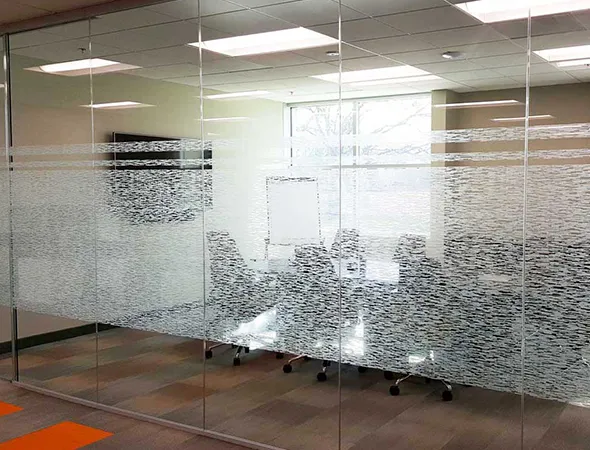
Large glass windows are a defining feature of many Miami homes, condos, and commercial buildings. They bring in natural light, offer impressive views, and create open interiors. However, all that glass can also introduce challenges with heat, glare, privacy, and indoor comfort.
Property owners have several options for managing these concerns without replacing their existing windows. Traditional window tinting can reduce solar heat gain and glare, while smart window film offers adjustable privacy through electrically controlled technology.
For homeowners and businesses exploring smart window film in Brickell, FL, understanding the differences between these solutions is essential before making an investment.
This guide explains how both technologies work, their advantages, installation requirements, costs, and how to choose the right option for South Florida’s climate.
What Is Smart Window Film?
Smart window film is an electrically controlled material that changes its appearance when power is applied or removed.
One common technology is polymer-dispersed liquid crystal, or PDLC, film. It contains liquid crystal droplets dispersed within a polymer layer.
In a typical PDLC system, the film appears frosted when electrical power is off. When power is applied, the liquid crystals align, allowing light to pass through with greater clarity.
This creates switchable privacy without relying on curtains or blinds.
Smart film can be controlled through compatible switches, remote controls, or integrated automation systems, depending on the installation.
It is commonly used on glass office partitions, conference rooms, bathrooms, and residential spaces where privacy requirements change throughout the day.
Importantly, standard PDLC privacy film is not automatically equivalent to solar-control tint. Its primary purpose is changing visibility, and its heat-rejection performance depends on the specific product.
How Does Traditional Window Tinting Work?
Traditional window tinting uses a film applied to glass to change how sunlight passes through it.
Different films are designed to absorb, reflect, or selectively reduce portions of incoming solar radiation.
Some films focus on reducing visible glare, while others emphasize solar heat rejection or ultraviolet protection.
Common types include:
Dyed window film
Dyed films use colorants to reduce visible light transmission.
They are often selected for appearance and glare reduction, although performance varies by product.
Metallized window film
Metallized films contain thin metallic layers that reflect portions of solar energy.
They can provide effective heat rejection but may affect certain wireless signals depending on their composition and installation.
Ceramic window film
Ceramic films use specialized nonmetallic materials to manage solar energy.
Many products offer heat rejection while maintaining relatively high visible light transmission.
Performance depends on the manufacturer’s specifications, not simply the ceramic label.
Decorative and frosted films
Decorative films provide patterns, textures, or obscured visibility.
They are frequently used for privacy, branding, and interior design rather than maximum solar heat control.
Each option serves a different purpose, making product selection an important part of the planning process.
Smart Window Film vs. Traditional Tinting: Key Differences
Both technologies can improve the functionality of glass, but they solve different problems.
| Feature | Smart window film | Traditional window tint |
| Primary purpose | Adjustable privacy | Heat, glare, and UV control |
| Appearance | Switches between clear and frosted | Usually maintains a fixed tint |
| Electricity | Required for switching | Not required |
| Privacy | Controlled on demand | Depends on film type and lighting |
| Heat rejection | Product-dependent | Available in specialized solar films |
| Installation | Film application and electrical setup | Film application |
| Maintenance | Film and electrical system care | Film-safe cleaning |
For example, a conference room with glass walls may benefit from switchable privacy film. A sun-facing living room may benefit more from solar-control tint that reduces heat without significantly changing the view.
Some projects can combine technologies, but compatibility must be evaluated before installation.
Benefits of Smart Window Film for Homes and Offices
Smart film is particularly useful in spaces where privacy needs change throughout the day.
Privacy without permanent barriers
A glass-walled home office may feel open and bright during normal use but require privacy during meetings.
Switchable film allows occupants to change the appearance of compatible glass without closing curtains or installing permanent partitions.
Flexible room design
Smart film can help maintain an open layout while providing separation when needed.
This makes it useful for offices, meeting rooms, bathrooms, and certain residential interiors.
Modern controls
Depending on the system, smart film may integrate with wall switches, remote controls, or building automation.
Property owners should confirm compatibility with their existing electrical and control systems.
Reduced dependence on coverings
For privacy applications, smart film can reduce the need for blinds or curtains.
However, owners may still need additional solar-control products if reducing heat is a major priority.
Why Window Tinting Matters in Miami’s Climate
Miami’s strong sunlight and warm climate make solar-control glass solutions particularly relevant.
Professional window tinting in Miami, FL can help property owners manage glare, reduce unwanted solar heat gain, and improve comfort in rooms exposed to direct sunlight.
Reducing indoor heat gain
Solar-control films can limit the amount of solar energy entering through compatible glass.
Actual performance depends on the film, glass construction, sun exposure, and installation.
Managing glare
Bright sunlight can make televisions, computer monitors, and workspaces uncomfortable.
Appropriate films can reduce glare while preserving varying levels of natural light.
Protecting interior furnishings
Many window films reduce ultraviolet transmission, which can contribute to fading.
However, UV protection does not eliminate fading because visible light, heat, and other factors also affect materials.
Improving privacy
Tinted and reflective films can reduce visibility from outside under certain lighting conditions.
Homeowners should understand that reflective daytime privacy may become less effective at night when interior lights are on.
Where Should You Install Smart Film or Window Tint?
The right application depends on how each space is used.
Residential living rooms
Large windows often provide attractive views but can introduce unwanted heat.
Solar-control film may be appropriate when comfort and visibility are the main concerns.
Bedrooms and bathrooms
Privacy is usually the priority in these spaces.
Frosted films, switchable privacy systems, or traditional coverings can help limit visibility.
Home offices
A home office may need glare reduction for computer screens and privacy for video calls.
Different glass surfaces may benefit from different solutions.
Commercial conference rooms
Switchable film can provide privacy during meetings while maintaining an open appearance when the room is not in use.
Retail storefronts
Solar-control and decorative films can help manage sunlight and support branding.
Storefront applications should also consider visibility, safety glazing, and applicable building requirements.
How Is Smart Window Film Installed?
Installing switchable film involves both glass preparation and electrical integration.
The process generally includes the following stages.
- Glass assessment: The installer checks the dimensions, condition, and compatibility of the existing glass.
- Product selection: The appropriate film is selected based on privacy requirements, electrical specifications, and the intended application.
- Surface preparation: The glass is cleaned carefully to remove contaminants that could affect adhesion.
- Film application: The film is installed using procedures specified by the manufacturer.
- Electrical connection: A qualified professional connects the film to compatible power and control equipment.
- System testing: The installation is checked for switching performance, appearance, and electrical operation.
Not every smart film is suitable for every type of glass or environment. Product specifications and electrical requirements should be reviewed before installation.
What Affects the Cost of Window Film Installation?
Several factors determine the price of residential and commercial window film projects.
Film technology: Switchable privacy films generally cost more than conventional films because they include specialized materials and electrical components.
Glass dimensions: Larger installations require more material and labor.
Window accessibility: High windows, unusual shapes, and difficult installation conditions may increase labor requirements.
Electrical integration: Smart film projects may require additional wiring, controls, and professional electrical work.
Film performance: Advanced solar-control products can cost more than basic decorative or appearance-focused films.
Project complexity: Commercial installations may involve scheduling restrictions, multiple glass types, or phased installation.
Request a detailed estimate that identifies the selected product, installation scope, warranty coverage, and any additional electrical work.
How to Maintain Smart Film and Tinted Windows
Proper maintenance helps preserve the appearance and functionality of installed films.
Follow the manufacturer’s recommended curing period before cleaning newly installed film.
Use soft microfiber cloths and cleaning products approved for the specific material.
Avoid abrasive pads, sharp tools, and chemicals that may damage the film’s surface or adhesive.
For smart film, keep electrical connections and control components protected from moisture and physical damage.
If the film develops bubbles, peeling edges, or inconsistent switching, contact the installer rather than attempting electrical or adhesive repairs yourself.
Regular inspections are especially useful in humid environments where condensation and moisture exposure can affect surrounding components.
Common Mistakes to Avoid When Choosing Window Film
Selecting film based only on appearance can lead to disappointing results.
One common mistake is assuming darker film always provides better heat rejection. Modern films can offer substantial solar control without appearing extremely dark.
Another is expecting standard switchable privacy film to perform like high-quality solar-control tint.
Property owners should also avoid choosing reflective film without considering nighttime privacy.
Glass compatibility matters as well. Applying an unsuitable film to certain insulated or coated glass configurations can increase thermal stress.
Finally, overlooking installation quality can affect appearance, durability, and warranty coverage.
A professional assessment helps match the film to the glass and the property’s requirements.
Choosing a Window Film Provider in South Florida
When comparing providers of smart window film in Brickell, FL, look for experience with both the film technology and the type of glass involved.
Ask whether the company evaluates glass compatibility, provides manufacturer specifications, and explains warranty coverage.
For switchable systems, confirm who handles electrical connections and whether the controls are included in the estimate.
Property owners should also ask about maintenance requirements and expected product performance.
A clear proposal should explain what the film can accomplish and identify limitations before installation begins.
Explore Window Film Solutions With Falcones Window World
Falcones Window World provides window film and tinting solutions for residential, commercial, and automotive applications in South Florida.
Its service offerings include solar-control films, privacy and decorative films, ceramic tinting, and switchable smart-film options.
For homeowners and businesses considering window tinting in Miami, FL, Falcones Window World offers an opportunity to explore products based on heat reduction, glare, privacy, and appearance.
The company is based in Opa-locka, within Miami-Dade County. Customers can discuss glass dimensions, installation requirements, and available film options before requesting a project estimate.
Business Address: 13497 NW 47th Ave, Opa-locka, FL 33054, United States
Website: Falcones Window World
Frequently Asked Questions
Does smart window film block heat?
Some smart-film products offer solar-control properties, but standard PDLC privacy film is primarily designed to change glass transparency. Heat rejection depends on the specific product and should be verified through manufacturer specifications.
Can smart film be installed on existing windows?
Certain smart films can be applied to compatible existing glass. Installation suitability depends on the glass type, surface condition, dimensions, and product requirements.
Does window tinting make a room too dark?
Not necessarily. Films are available with different visible light transmission levels. Some advanced solar-control films can reduce heat while maintaining a relatively bright interior.
Does smart window film need electricity all the time?
Most conventional PDLC films require electricity to remain in their clear state and become frosted when power is removed. Other switchable technologies may operate differently.
How long does window film last in South Florida?
Service life depends on product quality, installation, exposure, and maintenance. Manufacturer warranties provide useful information about expected durability and coverage.
Conclusion
Smart film and traditional window tinting offer different ways to improve privacy, comfort, and the functionality of glass.
Switchable film is particularly useful when privacy requirements change throughout the day. Traditional solar-control films are often more appropriate when reducing heat and glare is the main objective.
For Miami property owners, choosing the right solution starts with evaluating glass compatibility, sunlight exposure, privacy needs, and installation requirements.
Falcones Window World offers residential and commercial window film solutions, including smart privacy films and solar-control options.
Visit the company’s website to explore available products and discuss the best approach for your property.