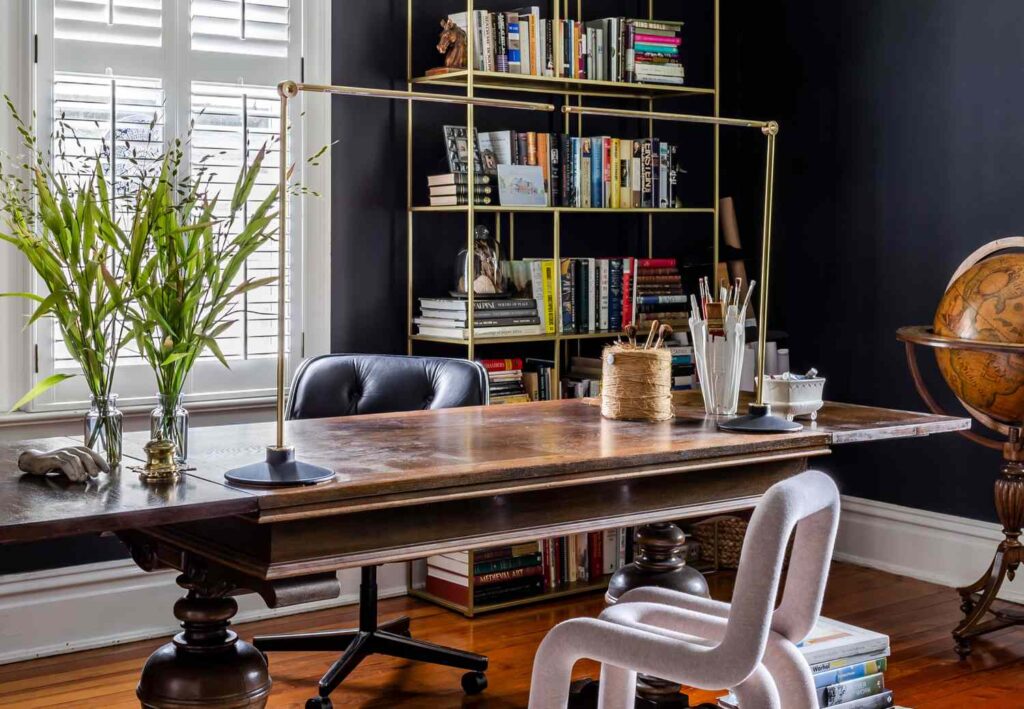
modern desk decor
A well-designed workspace can influence how comfortable, organized, and focused you feel throughout the day. Modern desk decor is not simply about placing attractive accessories around a computer or adding decorative objects to an empty surface. The best workspace combines visual appeal with practical organization, appropriate lighting, comfortable furnishings, and enough room to work efficiently. When every element has a purpose, even a small desk can feel polished without becoming cluttered.
Creating a stylish workspace also gives you an opportunity to reflect your personal taste. Clean lines, natural materials, neutral colors, and carefully selected accessories can create a modern atmosphere without making the room feel cold or overly minimal. Whether you work from home, study, manage a creative project, or simply need a dedicated place for everyday tasks, thoughtful design can make your workspace more inviting and functional.
Start With a Clean and Practical Desk Layout
The foundation of effective modern desk decor is a workspace that remains easy to use. Begin by removing items that do not contribute to your work or improve the atmosphere of the room. A clear desktop gives you more physical space while also making it easier to concentrate. Keep frequently used items within reach and move less important belongings into drawers, cabinets, or nearby storage.
Consider the position of your monitor, keyboard, notebook, and other essential equipment before adding decorative accessories. Your primary work tools should occupy the most convenient areas of the desk. Avoid placing decorative objects directly in front of your monitor or where they interfere with writing and typing. A functional arrangement should feel natural rather than requiring you to constantly move things around.
Cable management can make a surprisingly significant difference. Computer cables, chargers, lamps, and other devices can quickly create visual clutter when they are left loose across the desk. Use simple cable clips, sleeves, or discreet organizers to keep cords together and out of the main working area. Concealing unnecessary cables helps create the streamlined appearance associated with modern interiors.
Leave some empty space intentionally. A desk does not need to be completely decorated to look sophisticated. Negative space allows important accessories to stand out and prevents the workspace from feeling crowded. The goal is to create a balanced environment where practical items and decorative elements support one another.
Choose a Modern Color Palette
Color is one of the easiest ways to establish a modern visual identity. Neutral shades such as white, cream, beige, gray, charcoal, and natural wood create a calm foundation that works with many interior styles. You can then introduce one or two accent colors through artwork, desk accessories, plants, or upholstery. Keeping the palette controlled helps prevent small decorative details from becoming visually overwhelming.
Natural wood is particularly effective in modern workspaces because it adds warmth and texture. A wooden desktop, shelf, tray, or small storage box can soften a room dominated by metal, glass, or technology. Walnut, oak, and lighter wood tones can each create a different mood, so choose a finish that complements the existing furniture. Repeating the same wood tone in several areas can also make the room feel more cohesive.
Black and darker accents can provide useful contrast. A black desk lamp, picture frame, monitor stand, or storage accessory can define the workspace without requiring dramatic color changes. Metallic finishes such as brushed brass, chrome, or matte finishes can also introduce subtle sophistication. Use these details selectively rather than combining too many competing finishes.
If your room already contains colorful furniture or artwork, your desk decor can remain relatively restrained. A neutral desk setup allows existing decorative elements to become focal points. On the other hand, a simple room can benefit from one distinctive accessory, such as an abstract print or sculptural desk object. Good design often comes from controlling the relationship between color, texture, and visual emphasis.
Add Lighting That Improves Both Style and Comfort
Lighting is an essential part of a productive workspace and should never be treated as an afterthought. Natural light is ideal during the day because it can make a room feel brighter and more open. Position your desk where you can benefit from available daylight without creating distracting glare on your computer screen. If possible, adjust blinds or curtains throughout the day to control brightness.
A well-designed desk lamp can serve as both a practical tool and a decorative feature. Look for a lamp with a clean silhouette, adjustable positioning, and a finish that complements your desk and other accessories. Modern lamps with simple geometric shapes can reinforce a contemporary aesthetic while providing focused illumination. Choose the lamp size carefully so it does not consume too much valuable workspace.
Layered lighting can make the entire room feel more comfortable. In addition to task lighting at the desk, consider ceiling fixtures, floor lamps, wall lighting, or subtle ambient illumination. Combining different light sources allows you to adjust the atmosphere depending on the time of day. A workspace that looks attractive under bright daytime light should also feel comfortable during evening use.
Avoid relying exclusively on decorative lighting that provides little practical illumination. A beautiful lamp is useful only if it helps you see your work comfortably. Similarly, overly harsh lighting can make an otherwise attractive workspace feel unpleasant. The best solution combines visual design with appropriate brightness and positioning.
Use Accessories to Add Personality Without Clutter
Accessories are where modern desk decor can become personal. A small plant, ceramic object, framed photograph, sculpture, or carefully selected piece of artwork can make a workspace feel less sterile. Choose a few meaningful items instead of filling every available surface. A limited collection of well-chosen objects often creates a more sophisticated appearance than a large assortment of unrelated decorations.
Plants are particularly useful because they introduce natural color and organic texture into technology-heavy environments. Small tabletop plants can work well on compact desks, while larger plants can occupy an unused corner nearby. Choose plants based on the amount of natural light and maintenance you can realistically provide. The goal is to create an enjoyable environment rather than adding another demanding responsibility.
Desk trays and organizers can combine decoration with practical storage. A well-designed tray can hold pens, notebooks, keys, or small everyday items while keeping them contained. Matching organizers can create visual consistency without requiring every accessory to be identical. Look for materials such as wood, metal, leather, ceramic, or textured fabric to introduce subtle variation.
Artwork can also give the workspace a stronger identity. Consider an abstract print, minimalist illustration, architectural photograph, or typography piece that reflects your taste. Rather than placing multiple small frames randomly around the desk, choose one larger piece or a carefully arranged grouping. Position artwork where it can be appreciated without interfering with your work area.
Choose Furniture That Supports the Workspace
Decorative accessories cannot compensate for uncomfortable or poorly proportioned furniture. Your desk should provide enough surface area for your equipment, writing materials, and everyday tasks without overwhelming the room. Consider both the desk’s width and depth, particularly if you use multiple monitors or other large devices. A well-proportioned desk makes the entire workspace feel more intentional.
Storage furniture is equally important. Drawers, shelves, filing cabinets, and compact storage units can keep supplies organized while preserving a clean desktop. Open shelving can display books and decorative objects, while closed storage is better for items you do not want visible. Combining the two can create a practical arrangement that balances accessibility and visual simplicity.
Your chair should provide proper support and fit comfortably beneath the desk. While the chair is technically functional rather than decorative, its appearance contributes to the overall design. Look for a chair that complements the desk’s proportions and color palette without sacrificing comfort. A beautiful workspace becomes far less useful if the seating encourages poor posture or discomfort during long periods of work.
You can also borrow design ideas from other areas of the home. For example, the material combinations used in modern dining room furniture can inspire your workspace. Natural wood, streamlined silhouettes, upholstered textures, and simple metal details can transition effectively from dining areas to home offices. Repeating related materials throughout your home can create a consistent design language without making every room identical.
Create a Workspace That Works in Small Rooms
Small spaces require more deliberate decorating decisions because every item occupies valuable visual and physical real estate. Begin by selecting furniture that fits the room rather than choosing the largest desk available. A compact desk with integrated drawers or shelves can provide useful functionality without consuming excessive floor space. Wall-mounted shelving can also take advantage of vertical space.
Use the wall above your desk strategically. A single floating shelf can display books, artwork, and a few decorative objects while keeping the desktop clear. Pegboards, slim organizers, and wall-mounted storage can also provide practical solutions for smaller work areas. Avoid covering every section of the wall, as too many visible objects can make a compact room feel crowded.
Mirrors can help reflect light and create a greater sense of openness. Placing one near a workspace can make the room feel brighter, especially when positioned to reflect natural light. Light-colored walls and furniture can also contribute to an airy appearance. Combining these techniques with restrained modern desk decor creates a workspace that feels larger without requiring additional floor area.
Multifunctional furniture is another useful solution. A desk can double as a writing area, creative station, or occasional dining surface when needed. Storage benches, narrow cabinets, and adaptable shelving can serve multiple purposes. Flexible furniture allows you to make better use of limited space while keeping the room visually organized.
Balance Style, Comfort, and Personal Expression
A modern workspace should not look like a showroom. The most successful interiors usually contain elements that reveal the personality of the person using the space. Favorite books, meaningful artwork, travel objects, family photographs, or handmade accessories can make the room feel authentic. The key is displaying these items selectively so the workspace remains organized and functional.
Texture can prevent a modern room from feeling too rigid. A soft rug, upholstered chair, woven basket, ceramic accessory, or natural wood surface introduces tactile variation. Combining smooth and textured materials creates visual depth without requiring additional color. This approach works especially well when the overall palette is neutral.
Think about how the workspace makes you feel throughout the day. If you prefer calm surroundings, keep the colors restrained and the accessories minimal. If you enjoy creative energy, introduce artwork, books, colorful objects, or distinctive materials. Good interior design should support the habits and preferences of the person using the room rather than simply following a trend.
Finally, review your workspace regularly. As your work habits change, certain accessories may become unnecessary while new storage needs emerge. Remove objects that no longer serve a purpose and adjust the layout when equipment changes. A modern workspace stays attractive when it evolves with the person who uses it.
Conclusion
Modern desk decor is most effective when style and functionality work together. A clean layout, thoughtful color palette, appropriate lighting, practical storage, and carefully selected accessories can transform an ordinary desk into a workspace that feels organized and inspiring. The goal is not to decorate every surface, but to create an environment where each element has a clear purpose.
Whether you are working with a spacious home office or a compact corner, small design decisions can make a meaningful difference. Natural materials, streamlined furniture, personal artwork, plants, and organized storage can create a polished atmosphere without sacrificing comfort. By focusing on what you genuinely need and choosing pieces that complement your home’s existing design, you can build a workspace that looks sophisticated, functions efficiently, and feels distinctly your own.